
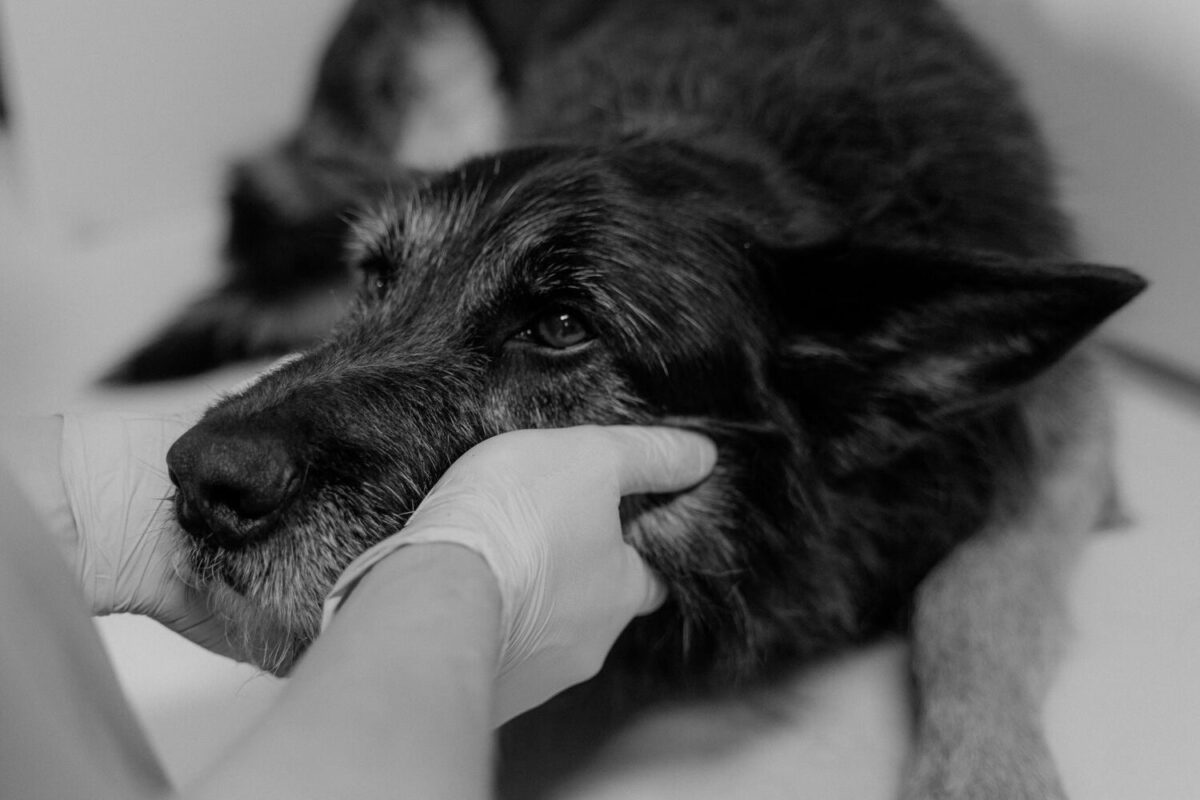
There is no single birthday on which a dog becomes senior. A small dog may still be going strong at twelve; a giant breed may be senior at six. What matters is not the number but the change: the dog that slows down on walks, sleeps more, stiffens after rest, or greys around the muzzle is entering a stage of life where veterinary care changes too — not because something is wrong, but because catching small changes early is worth far more than treating big ones late.
Senior vet visits are not the same as adult checkups with an older dog in the room. They are more frequent, more thorough, and more focused on the slow changes of aging: weight, joints, teeth, eyes, and the quiet internal shifts that no owner can see from the outside. Knowing what changes, and what to ask, makes those visits useful rather than worrying.
When senior starts, and how often to go

As a rough guide, small dogs tend to reach senior age around ten to twelve, medium dogs around eight to ten, and large and giant breeds as early as six or seven. Your vet will have a view for your dog’s breed and size, and that view matters more than any chart — a vet who has known your dog for years can see the aging curve in a way a general guide cannot.
The main practical change is frequency. Where a healthy adult dog may be seen once a year, senior dogs generally benefit from visits every six months, because six months is a long time in an older dog’s body, and a lot can change between annual visits. These are not emergency visits — they are routine, calm checkups, ideally when the dog is well, so the vet builds a picture of your dog’s normal senior self rather than meeting it only in a crisis.
What a senior checkup covers
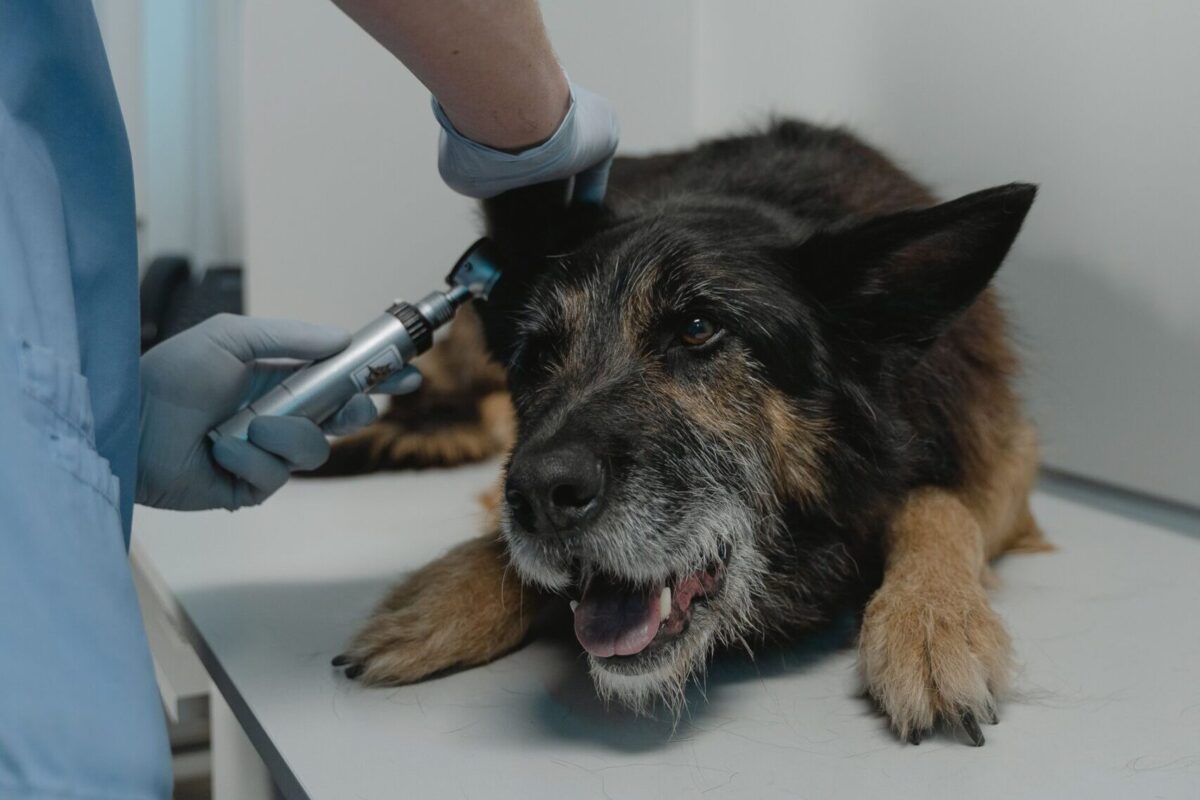
A senior checkup usually starts where every checkup starts — weight, temperature, heart, and lungs — and then goes further into the areas aging affects first. The vet will feel the joints and watch the dog move, since stiffness and arthritis are the most common senior complaints and the earliest to benefit from attention. Teeth and gums get a closer look, because dental disease is common in older dogs and often worse than it looks from the outside.
The vet will also ask about the home picture: appetite, water intake, sleep, toileting, energy, and behaviour. These questions matter as much as the examination, because owners see the daily pattern and vets see the single visit — and a change in the pattern, like drinking much more or sleeping far more, is often the first clue that something needs a closer look. Blood and urine tests may be discussed as a routine part of senior care, to build a baseline for comparison over time; what tests suit your dog is a conversation for you and your vet, not a fixed list.
Preparing a senior dog for the visit
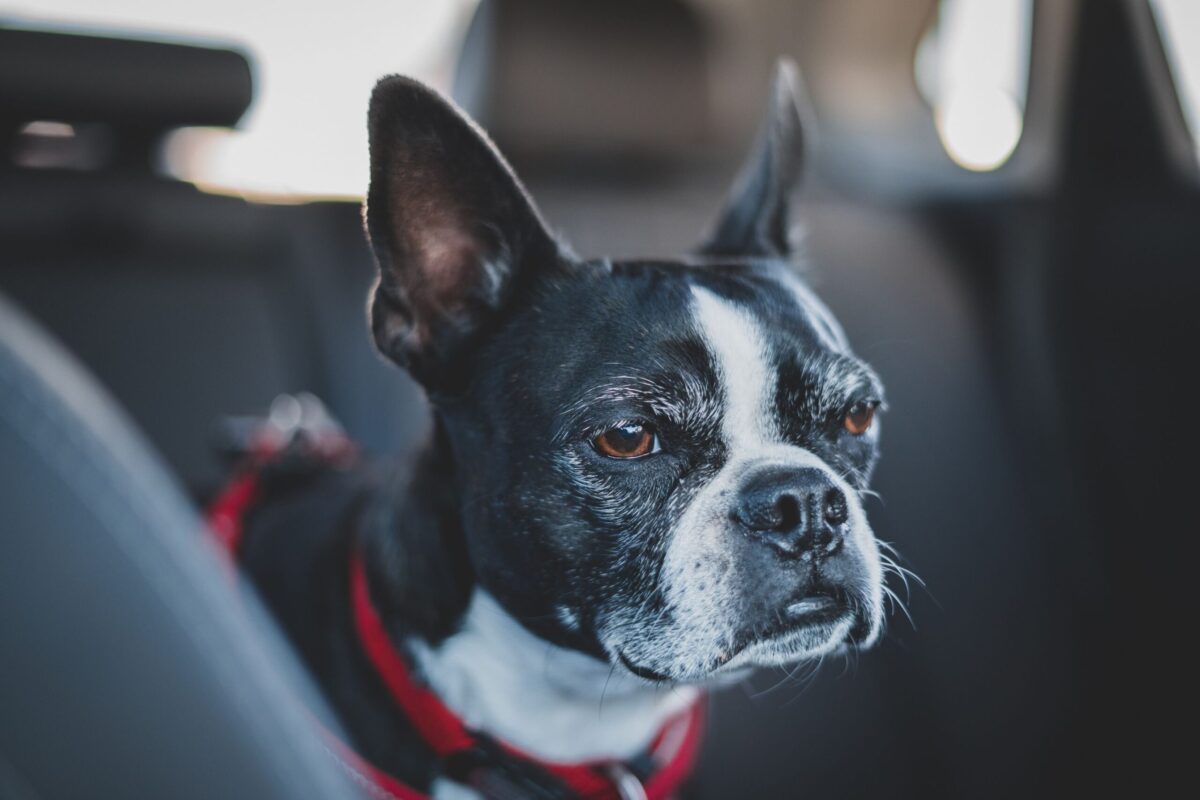
Older dogs find vet visits harder than young ones: the car ride is stiffer, the waiting room is more stressful, and the examination table is higher than it used to feel. A few small preparations help a lot. Bring a familiar blanket for the waiting room, keep the visit as short and calm as you can, and ask for a quiet waiting spot or a car wait if the waiting room is busy with barking dogs.
Bring notes, not just memories. A short list — appetite this month, sleep changes, any limping, any new lumps you have noticed, questions you want answered — is worth more than trying to remember everything in the room. Note the dates of changes too: “drinking more since about three weeks ago” is far more useful to a vet than “drinking more lately.”
Questions worth asking
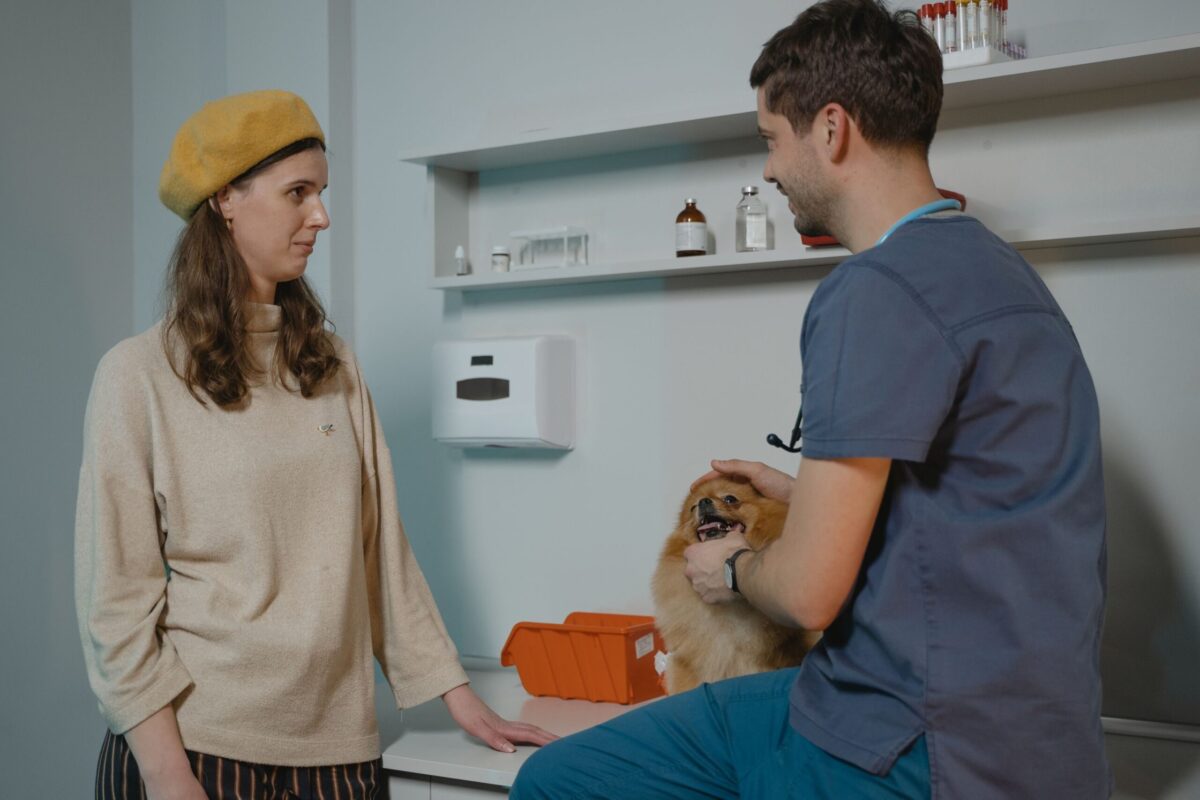
Good questions for a senior visit include: what weight should my dog be, and is it there? How are its joints, and what should I watch for at home? How are its teeth? Is its current food still right for its age and weight? What changes at home — ramps, shorter walks, softer bedding — would help most? And what signs should make me call between visits rather than waiting for the next one?
The answers should be plain and practical. A vet who explains what to watch for at home is giving you the most valuable part of senior care: the ability to notice changes early, when they are easiest to act on.
Between visits
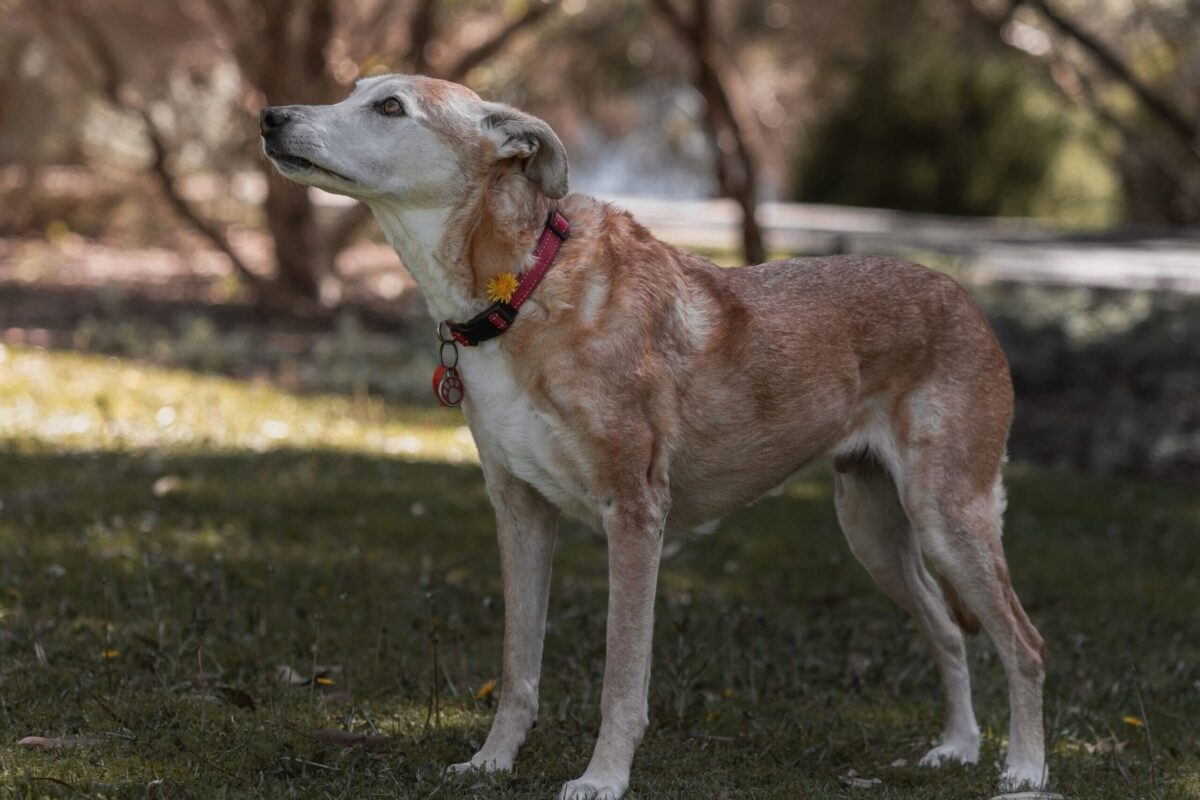
Most senior care happens at home, between visits. Keep a loose eye on the basics: weight, appetite, water, sleep, mobility, and mood. A slow drift in any of them is normal aging; a sudden change is a phone call. Keep walks regular but gentler, keep the dog’s weight steady, and keep its mind busy — older dogs still need play, training games, and new smells, just at a slower pace.
Aging is not a problem to fix. It is a stage to manage well, and senior vet visits are the main tool for managing it. A dog that is seen regularly, whose changes are noticed early, and whose owner knows what to watch for will have a longer, more comfortable old age than a dog whose aging is only noticed when something goes wrong.
Frequently Asked Questions
When is my dog considered senior?
It depends on size: small dogs around ten to twelve, medium dogs around eight to ten, large and giant breeds as early as six or seven. Your vet’s view for your dog’s breed matters most.
How often should a senior dog see the vet?
Generally every six months, rather than once a year, because a lot can change in an older dog’s body in six months. These are routine checkups, ideally when the dog is well.
What does a senior checkup include?
Weight, heart, and lungs, plus a closer look at joints, teeth, and movement, and questions about appetite, water, sleep, and behaviour at home. Routine blood and urine tests may be discussed to build a baseline.
How can I make vet visits easier for an older dog?
Bring a familiar blanket, ask for a quiet waiting spot, keep the visit short and calm, and bring a short written list of changes and questions instead of relying on memory.
What changes at home should I tell my vet about?
Any sudden change: eating or drinking much more or less, sleeping far more, new limping or stiffness, hiding, or confusion. Gradual slowing is normal aging; sudden change is a phone call.
Sources
- American Veterinary Medical Association, senior pet care guidance
- PetMD, senior dog veterinary care
- VCA Animal Hospitals, senior dog care and checkups
- RSPCA, aging dogs and veterinary care