
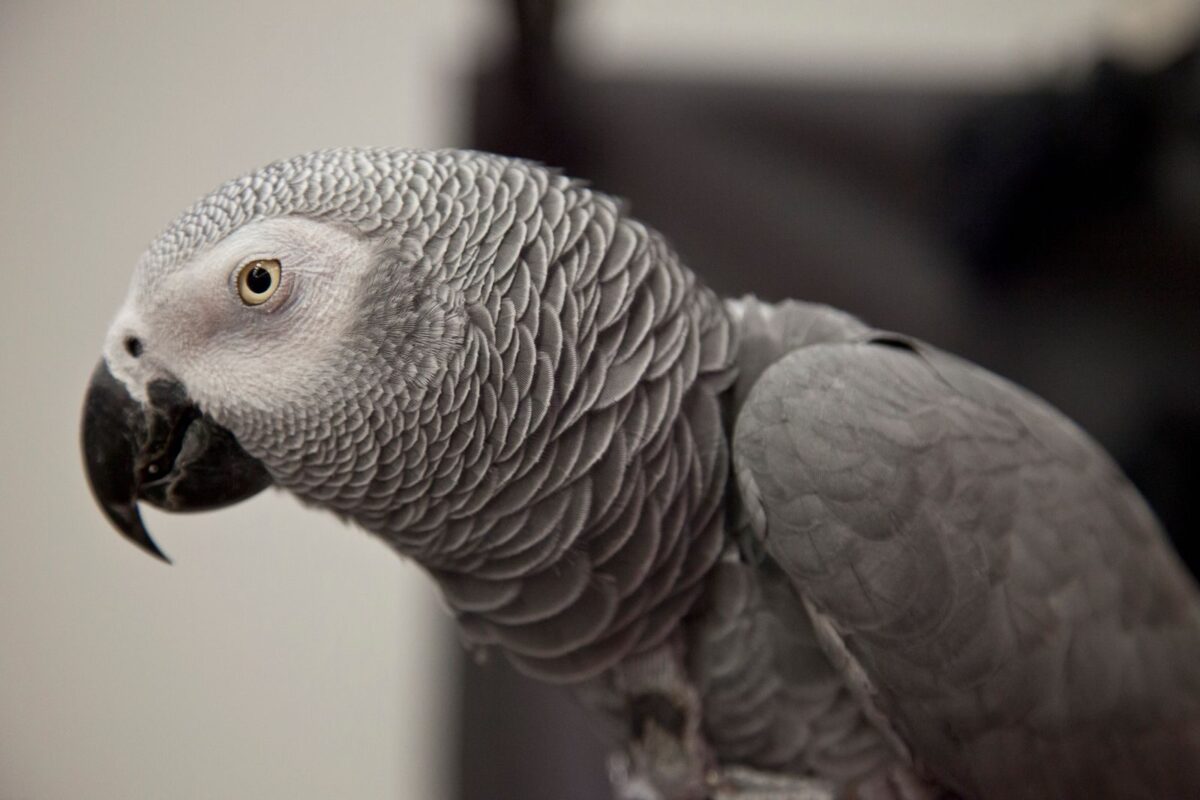
A budgie can be seriously unwell and still eat, chirp, and sit on its perch looking almost normal. Birds are prey animals, and hiding weakness is wired into them — in the wild, a bird that looks sick gets noticed by predators. That is the single most important thing to understand about bird vet care: by the time a bird obviously looks ill, it has usually been unwell for a while.
It is also why a first vet visit should happen while the bird is healthy, not after something goes wrong. A healthy first visit gives you a vet who knows your bird, a baseline for what normal looks like, and a plan for what to do when you actually need help.
Find the vet before you need one
Not every vet treats birds. Birds need an avian vet — a vet with specific training and experience in bird care — and they are fewer in number than cat and dog vets. Finding one takes a little work, and that work is much easier when nothing is urgent.
Ask local bird keepers, breeders, and pet shops who they use. Avian vet associations keep directories of member practices. When you call a practice, ask directly whether they see birds regularly, and how many birds they treat in a typical week. A practice that sees birds every day will have the right equipment, the right handling experience, and the right sense of what is normal for a budgie versus a macaw.
If the nearest avian vet is a drive away, do not let that put you off. Many bird owners travel for vet care. Knowing the route, the parking, and the practice’s emergency hours before you need them is part of the preparation.
Before the visit: notes beat memory
A few days before the visit, start a short note about your bird. What does it eat, and how much? How are its droppings — colour, consistency, frequency? How much does it sleep, play, and talk? Has anything changed recently: a new cage, a new food, a quieter bird, a bird that is eating the same but playing less?
Bring the note. Vets ask better questions when owners bring specifics, and you will remember things in the waiting room that you would forget under pressure at home. If you can, bring a photo of the cage setup and a note of anything extra you feed besides the main diet. The vet is building a picture of your bird’s whole life, not just the ten minutes on the table.
Prepare the carrier too. A small, secure travel cage or carrier with a perch, a familiar cover, and a little millet gives the bird something known in a strange place. Keep the car warm and calm, and do not leave the carrier in a cold or hot car while you run errands.
What a first visit usually involves
A first visit is mostly conversation and observation. The vet will ask about diet, housing, sleep, and behaviour, and will watch how the bird moves, breathes, and holds itself. Expect a weigh-in — weight is one of the most useful numbers in bird care, because gradual weight loss is easy to miss at home — and a hands-on check of eyes, beak, feet, feathers, and vent.
The vet may suggest routine tests, depending on the bird’s species, age, and history. What those are, and whether they are needed, is a conversation to have with the vet, not something to decide in advance from the internet. Ask questions freely: what should I watch for at home, what does a healthy weight range look like for my bird, when should I come back?
Most birds handle a first visit better than owners expect, especially if they are used to being handled. A bird that is hand-tame will usually settle faster than a bird that has never been held. If your bird is not tame, tell the vet — they handle nervous birds every day and will adjust.
After the visit, and how often to go back
When you get home, let the bird settle back into its cage with food and water, and give it a quiet evening. Some birds are subdued after a vet trip. That is usually just tiredness and a strange day, and most birds are back to normal by the next morning. If the bird stays fluffed, still, or off its food for more than a day after a routine visit, call the practice and say so.
As for frequency, many avian vets suggest a yearly checkup for a healthy bird, with younger, older, or more fragile birds seen more often. The right schedule for your bird is something to agree with your vet at that first visit, based on species and health. What matters most is that there is a schedule, and a vet who already knows your bird when something changes.
And the thing to watch at home, between visits, is change against your bird’s own normal: eating less, sleeping more, quieter than usual, droppings that look different, feathers that look rough. Birds hide illness, but they cannot hide change completely — and an owner who knows their bird’s normal is the best early warning system there is.
This post is general information only and is not a substitute for professional veterinary advice. If your bird seems unwell, contact an avian vet promptly.
Frequently Asked Questions
How do I find an avian vet near me?
Ask local bird keepers and pet shops, and check avian vet association directories. When you call, ask whether the practice sees birds regularly and how many birds they treat each week.
What should I bring to my bird’s first vet visit?
Notes on diet, droppings, sleep, and behaviour, plus any recent changes; a photo of the cage setup; and a secure carrier with a perch and something familiar inside.
Will the vet visit stress my bird?
A vet trip is a strange day, and most birds are quieter afterwards for a few hours. A calm carrier, a warm car, and a quiet evening at home help. A bird that stays fluffed or off food for more than a day after a routine visit should be mentioned to the practice.
How often should a healthy bird see the vet?
Many avian vets suggest a yearly checkup for a healthy adult bird, with younger or older birds seen more often. Agree the right schedule for your bird with your vet at the first visit.
What if my bird never seems sick?
That is exactly when a checkup is most useful. Birds hide illness well, so a healthy-looking bird can still benefit from a baseline weight, a professional once-over, and a vet who knows it before anything goes wrong.
Related reading
- Cockatiel Care for Beginners: The Complete Starter Guide
- Budgie Care for Beginners: The Complete Starter Guide
- What’s the Best First Pet Bird? 6 Beginner-Friendly Species Compared
- How Long Do Cockatiels Live? Lifespan, Care Tips to Add Years
Sources
- Association of Avian Veterinarians — companion bird care guidance
- RSPCA — bird health and vet care advice
- VCA Animal Hospitals — avian veterinary care articles