
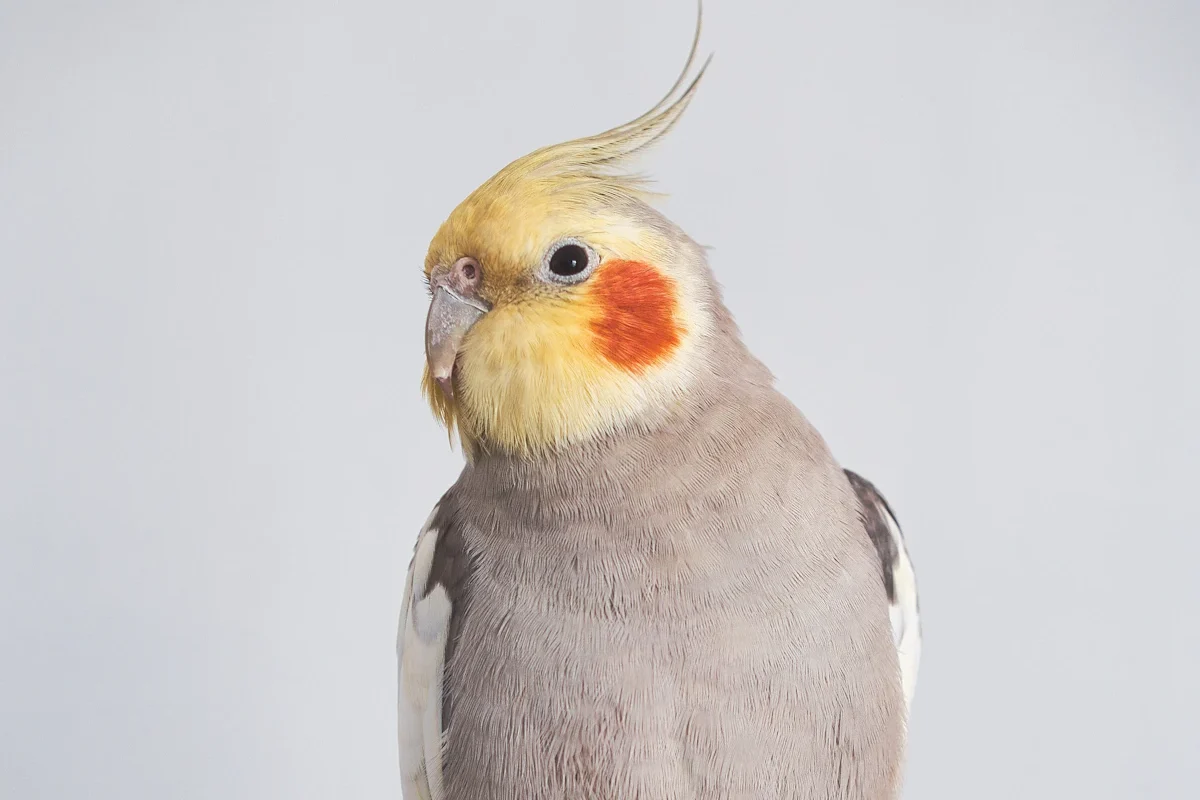
Most well-kept pet cockatiels live 15 to 20 years; 20 to 25 is common with excellent care, and close to 30 is reported but not typical. Sources disagree because care differs: a seed-only diet, no vet care, and household hazards pull life expectancy down sharply.
How long do cockatiels live? With good care, most pet cockatiels live about 15 to 20 years, many reach their early to mid-20s, and a few live close to 30. Published ranges vary – you will see 10 to 15 years at the low end and 15 to 25 years from veterinary sources – because diet, vet care, safety, and daily stimulation make a genuine difference.
Here is a question worth asking before you fall for the crest and the whistle: are you ready for a pet that could still be with you in twenty years? A cockatiel bought for a ten-year-old may still be going strong when that child finishes university, starts work, and moves house. That long life is a gift, but only if you plan for it.
That planning starts with honest numbers. If you browse our wider guide to pet birds and their care needs, you will see cockatiels sit in the middle of the lifespan scale – far longer-lived than a budgie, shorter than a large parrot that can outlive its owner. This article explains where your bird is likely to land in that range, and what you control.
At a Glance
- Most well-kept pet cockatiels live 15 to 20 years; 20 to 25 is common with excellent care, and close to 30 is reported but not typical.
- Sources disagree because care differs. A seed-only diet, no vet care, and household hazards pull life expectancy down sharply.
- The biggest lifespan levers are diet, an avian vet, safe air, sleep, exercise, and mental stimulation.
- Wild cockatiels live shorter lives than pets, facing predators, drought, and food shortages.
- Adopting a cockatiel is a 15-to-25-year commitment. Plan housing, cost, and backup care accordingly.
Contents
- How long do cockatiels live in captivity and in the wild?
- Why sources give different cockatiel lifespans
- Lifespan compared with other pet birds
- What shortens a cockatiel’s life
- Care habits that add years
- Signs of a cockatiel ageing well
- Frequently Asked Questions
- Sources and Further Reading
How long do cockatiels live in captivity and in the wild?

In captivity, the figures form a range, not one number. PetMD, written by an avian veterinarian, puts pet cockatiels at about 15 to 25 years on average, with the oldest reported reaching 36. Avian practice care sheets give a tighter range: regularly 15 to 20 years with proper care, up to 30 reported. Kaytee sits lower, at 10 to 14 years, with some birds in their early 20s. That spread reflects different populations – birds on poor diets with no vet care at one end, birds with pellets, vegetables, flight, and annual checks at the other.
In the wild in Australia, predators, drought, and unreliable food and water shorten lives considerably. Exact wild averages are hard to pin down, so no firm figure is given here. A well-kept pet should outlive a wild bird by a wide margin. Sex and colour variety do not change the picture dramatically – the home you provide does.
Why sources give different cockatiel lifespans

Three things explain most of the disagreement. First, averages hide extremes – birds that die young from accidents or untreated illness pull an average down. Second, care has improved: older books assumed an all-seed diet and a tiny cage, while modern guidance on pellets, vegetables, larger cages, and vet screening pushes more birds into their twenties. Third, record-keeping is patchy, coming from vet records and owner accounts rather than one registry. The middle ground is the safest bet for planning: mid-teens to mid-twenties, with the late teens as a sensible figure.
Learning to read your bird day to day helps you protect those years. The same observation skills covered in our guide to signs a budgie is happy or stressed apply well to cockatiels – appetite, voice, feathers, posture, and breathing tell you early when something has shifted.
Lifespan compared with other pet birds

Size is a rough guide in parrots: larger species tend to live longer. This table uses commonly published captive ranges to help you compare commitments before you choose a species.
| Pet bird | Typical captive lifespan | Notes |
|---|---|---|
| Budgie | 5 to 12 years | 10 to 12 with excellent care; often shorter with poor diet |
| Cockatiel | 15 to 20 years, often to 25 | Up to about 30 reported; oldest reported 36 |
| Lovebird | 10 to 15 years | Social species; needs a companion or heavy daily attention |
| Monk (Quaker) parakeet | 15 to 20 years | Hardy, vocal, and a strong talker for its size |
| Ring-necked parakeet | 25 to 30 years | Needs space, stimulation, and experienced handling |
| African grey parrot | 40 to 60+ years | A lifetime commitment; exceptional talker and learner |
| Amazon parrot | 40 to 70 years | Long-lived; diet and exercise are critical to avoid obesity |
Use the table for planning, not promises. Care moves the odds more than species labels do.
What shortens a cockatiel’s life

A seed-only diet
This is the most common, most fixable problem. Cockatiels love seed, and seed feels natural, but a bowl of seed alone is high in fat and low in key nutrients. LafeberVet notes that commercial seed mixes lack vitamins A, D3, E and K, calcium, and certain amino acids, and that seed diets lead over time to vitamin A deficiency and poor feather quality. PetMD links predominantly seed diets in parrots to obesity, high blood fats, fatty deposits in blood vessels, and kidney failure. A bird can look fine for years while damage builds quietly.
Toxic air and household fumes
Birds breathe far more efficiently than we do, which makes them far more vulnerable to airborne toxins. Fumes from overheated non-stick (PTFE) cookware are colourless and odourless and can kill a bird quickly, even from another room, according to VCA Animal Hospitals. Smoke, aerosol sprays, strong cleaning products, and scented candles add further risk. Many sudden bird deaths trace back to the kitchen.
No veterinary care, or care that comes too late
Cockatiels hide illness until they are quite sick. Without an avian vet who knows the bird’s normal weight and blood values, treatable problems are found late. Night frights – panicked thrashing in a dark cage – are a particular cockatiel risk and can cause broken wings, blood feathers, and head injuries.
Too little sleep, movement, or stimulation
Chronic short sleep unsettles hormones and behaviour. A small cage with no flight or out-of-cage time encourages weight gain and muscle loss. Boredom is not harmless either: an under-stimulated bird may scream, pluck, or stop eating normally, and those behaviours carry health costs over years.
Accidents in the home
Ceiling fans, open windows and doors, hot liquids, deep water, and other pets cause a large share of early parrot deaths in veterinary accounts. Most are preventable with a bird-proofed room and supervised out-of-cage time.
Care habits that add years

None of this requires specialist equipment. It requires consistency. Use this checklist as your baseline, and review it every few months.
- ☐ Build the diet around pellets and vegetables. Offer a quality formulated pellet as the base, daily fresh vegetables, and a measured, limited amount of seed. Add vitamin A-rich foods such as sweet potato, carrot, and dark leafy greens. Change water daily.
- ☐ Convert diets slowly. Never starve a bird onto new food. Mix new pellets in gradually over weeks, monitor weight and droppings, and ask an avian vet for a conversion plan if your bird refuses.
- ☐ Book an annual avian vet check. Include weight checks and, as your vet advises, blood work. Register with an avian or exotics vet before an emergency, not during one.
- ☐ Give 10 to 12 hours of quiet, dark sleep. Use a sleep cage or cover and a consistent bedtime. Add a soft night light if your bird is prone to night frights, and pad the cage bottom for older birds.
- ☐ Provide daily exercise and flight. Offer supervised out-of-cage time in a safe room, with windows and mirrors covered, fans off, and doors closed.
- ☐ Keep air clean. Do not keep your bird in the kitchen. Avoid overheated non-stick cookware anywhere in the home, never smoke around your bird, and ventilate well when cleaning.
- ☐ Stimulate the mind every day. Rotate toys, hide food in foraging toys, teach simple cues, and talk to your bird. Short, reward-based training – including the word practice in our guide to teaching a parrot to talk – is genuine enrichment, not just a trick. A mentally active bird eats, moves, and copes better.
- ☐ Weigh your bird regularly. A small kitchen scale and a weekly log will show gains or losses before you can see them. Sudden weight change is a reason to call the vet.
- ☐ Plan for your bird’s future. Name a backup carer, keep written diet and vet details with your household papers, and budget for decades, not years.
Mental stimulation deserves a final word. Ten engaged minutes with you can do more for your bird’s day than a new perch. Longevity is about giving a clever bird reasons to stay active, not only about avoiding harm.
Signs of a cockatiel ageing well

An older cockatiel ageing well still greets the morning, eats with interest, preens normally, and moves confidently, even if flights are shorter and naps longer. Support senior birds with lower, wider perches or flat platforms if grip weakens, easy-to-reach food and water, and a soft landing surface. Keep vet visits going – arthritis, cataracts, and liver and kidney problems become more likely with age.
If an older bird stops eating, sits fluffed on the cage floor, breathes with a bobbing tail, or loses weight quickly, do not put it down to old age. Those signs need a vet, at any age.
Frequently Asked Questions
Can a cockatiel really live 30 years?
It is reported, but it is not the norm. Veterinary care sheets note cockatiels regularly living 15 to 20 years with proper care, with up to 30 reported, and PetMD records an oldest reported cockatiel of 36. Plan on late teens to mid-20s and treat anything beyond that as exceptional.
Do male or female cockatiels live longer?
There is no strong, consistent evidence in the reputable sources checked that one sex reliably outlives the other in pet homes. Egg-laying can add health risks for females, which a vet can help you manage with diet, light, and routine. Day-to-day care matters far more than sex.
What is the most common cause of early death in cockatiels?
Veterinary sources point to a cluster of preventable causes rather than one cause: poor nutrition from seed-heavy diets, household toxin exposure including non-stick fumes, untreated illness found too late, and traumatic accidents including night-fright injuries. All four are within an owner’s control.
How old is a cockatiel in human years?
There is no accurate conversion, so be wary of charts that give one. Cockatiels mature fast in the first year, are adults for a long middle stretch, and are generally considered senior from around 10 years onward in care guidance. Your vet will judge your individual bird by condition, not by a formula.
Should I get a second cockatiel so mine lives longer?
Companionship helps wellbeing for many birds, but a second bird is a second 20-year commitment, with quarantine, introduction, and compatibility to manage. A single cockatiel with generous daily human interaction can do very well. Decide based on the time you can honestly give, not on lifespan alone.
At what age should I change how I care for my cockatiel?
Start senior adjustments when you see changes – slower movement, weaker grip, more sleep, or weight shift – often somewhere after 10 years. Lower perches, easier food access, and twice-yearly vet checks, if your vet advises them, help an older bird stay comfortable.
What kills cockatiels young most often?
Preventable causes dominate: poor diet (seed-only), respiratory hazards such as non-stick cookware fumes and cigarette smoke, accidents in the home, and untreated illness. Regular avian vet checks catch problems early, since birds hide sickness until it is advanced. A safe home and a pelleted diet are the two biggest protections.
How do care needs change as a cockatiel ages?
Older cockatiels need lower perches, easier access to food and water, warmer rooms, and more frequent vet checks. They may fly less, sleep more, and need softer foods if beak or joint problems develop. Keep routines stable — seniors cope worse with moves, new birds and big changes than young birds do.
Are cockatiels longer-lived than budgies?
Yes, usually by several years. A well-kept cockatiel commonly reaches 15 to 20 years, while a well-kept budgie commonly reaches 5 to 10, occasionally more. The trade-off is commitment: a cockatiel bought today may still be with you in twenty years, so think about life changes — moves, children, work — before choosing the longer-lived bird.
Sources and Further Reading
- PetMD – How Long Do Birds Live?, by Laurie Hess, DVM: cockatiels 15 to 25 years, oldest reported 36. https://www.petmd.com/bird/care/how-long-do-birds-live
- Giller Vet cockatiel care sheet: regularly 15–20 years with proper care, up to 30 reported. https://gillervet.com/articles/general/cockatiels/
- Kaytee – Pet Cockatiels guide: lifespan 10 to 14 years, some into early 20s – the lower published range. https://www.kaytee.com/learn-care/pet-birds/everything-you-need-to-know-about-pet-cockatiels
- LafeberVet – Nutrition topics: seed mixes lack key vitamins and calcium; seed diets lead to vitamin A deficiency. https://lafeber.com/vet/topics/nutrition/page/2/
- VCA Animal Hospitals – Teflon (PTFE) Poisoning in Birds: colourless, odourless toxic gases; sudden death may be the only sign. https://vcahospitals.com/know-your-pet/teflon-polytetrafluoroethylene-poisoning-in-birds
- PetMD – Budgie Care Sheet: budgies 10–12 years with proper care. https://www.petmd.com/bird/budgie-care-sheet
This article is educational information only and is not a substitute for advice from an avian veterinarian. For diet changes, illness, or ageing concerns, talk to a vet who treats birds.
About the author
Furrology Team — pet owner and researcher behind Furrology. We read the veterinary research and draw on real owner experience, then turn it into plain-English guides about dogs, cats, birds and small pets. We are not vets — Furrology is researched information, not veterinary advice, and a poorly pet always needs a real vet. More about how we work: About Us · Editorial Policy