
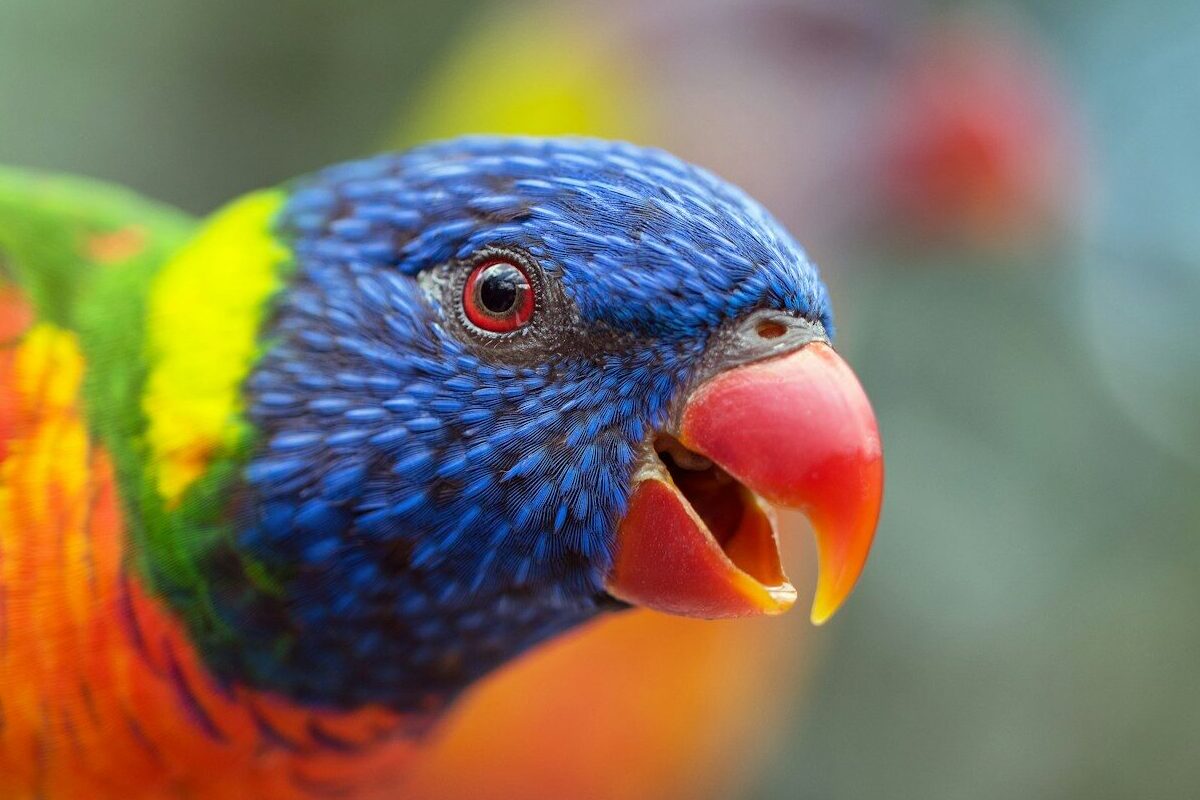
Some screaming is built in: expect louder calling at dawn and dusk, and contact calls when you leave the room. Excessive screaming is different — long, repeated bouts through the day usually mean boredom, loneliness, poor sleep, fear, a disrupted routine or illness.
Most parrots scream because screaming is normal parrot communication: a contact call to locate the flock, a dawn or evening chorus, or a learned way to get attention. Excessive screaming usually points to an unmet need — boredom, loneliness, poor sleep, fear or illness — and it gets worse, not better, when you shout back or punish the bird.
The sound can go through a house. One call and everyone is awake. It is easy, in that moment, to decide the bird is being difficult on purpose. It almost never is. A screaming parrot has a reason that makes sense from inside a flock. Your job is not to silence the bird. It is to work out which reason you are hearing, meet the need underneath it, and stop accidentally teaching the bird that volume works.
If you are still deciding what kind of bird fits your home, our guide to living with pet birds day to day sets out the noise, time and space involved honestly. This article is for the bird already shouting in the next room.
At a Glance
- Some screaming is built in. Expect louder calling at dawn and dusk, and contact calls when you leave the room.
- Excessive screaming is different: long, repeated bouts through the day usually mean boredom, loneliness, poor sleep, fear, a disrupted routine or illness.
- Never punish screaming. Shouting back, spraying or covering the cage as a penalty gives attention or adds fear, and both make it worse.
- Reward the sounds you want. Attention, treats and company should arrive during quiet or pleasant calling, not during a bout.
- A sudden change in voice or volume, especially with poor eating or fluffed posture, needs an avian vet, not training.
Contents
- Why does my parrot scream if nothing is wrong?
- The main causes of excessive screaming
- Cause and fix: a quick reference table
- How to calm a screaming parrot, step by step
- What not to do when your parrot screams
- When screaming means see a vet
- Frequently Asked Questions
- Sources and Further Reading
Why does my parrot scream if nothing is wrong?

Because in the wild, volume keeps a flock together. Parrots travel, feed and roost in groups, often spread through trees where they cannot see each other. Loud calls are how they stay in contact.
Two peaks are part of that system. Behaviour guidance from Lafeber notes that owners should expect loud vocalisations particularly in the morning and evening — the dawn and dusk chorus, when the flock checks in, regroups and settles. Your parrot runs the same programme on your household. You are the flock.
Contact calling works the same way at any hour. You leave the room, your bird calls: where are you? A short, calm answer from where you are — a whistle or a phrase in a normal voice — often settles it, because the question has been answered. None of this needs fixing. The problem is excessive screaming: bouts that go on and on, repeat through the day, or are new for your bird.
The main causes of excessive screaming

1. It has learned that screaming works
This is the commonest man-made cause. The bird screams, someone rushes in, picks it up, offers food, or even shouts at it — and from the bird’s side, screaming produced company. Attention is attention, including cross attention. Behaviour sources agree that responding during a bout, even negatively, reinforces the behaviour, and that ignoring it at first often makes it louder before it fades, as the bird tries harder with a method that used to work.
2. Boredom and under-stimulation
Wild parrots spend much of their day working for food: flying, searching, stripping and handling it. A pet bird can finish breakfast from a bowl in ten minutes and face an empty day. Screaming fills it. A cage with nothing to shred, solve or forage from is a frequent, fixable cause.
3. Loneliness and separation
A bonded parrot left alone for long stretches may call for its flock for hours — persistent, often starting as you prepare to leave, with restless behaviour. Predictable company and gradual practice at being left calmly help more than a scolding.
4. Poor sleep and a broken routine
Parrots need roughly 10 to 12 hours of dark, quiet sleep. A bird kept up by lights, television and household noise until late is tired the next day, and tired birds are louder and less able to cope. An irregular routine adds to it: birds read the day by cover-off, feeding and lights-down happening at predictable times.
5. Fear, change and the environment
A sudden sharp scream, repeated while staring or leaning away, often means something has frightened the bird: a new object, a pet at the glass, a shadow. Joining in with household noise is also normal — many parrots match a vacuum cleaner or raised voices, then settle when the house does.
6. Hormones, hunger and habit
Seasonal hormonal changes can make some birds more vocal for a period. Hunger or a slipped feeding time produces demanding calls that stop when the need is met. Keep a simple diary for a week — time, what happened just before, how long it lasted, what you did — and the pattern usually names itself.
Talking birds add a useful alternative. A parrot with a word or whistle that reliably earns attention has something to offer instead of a scream. The patient method in our guide to how parrots learn to talk doubles as behaviour work: short, rewarded sessions give a clever bird a better-paid job.
Cause and fix: a quick reference table

| Cause | What it tends to sound like | First fix to try |
|---|---|---|
| Contact call | Loud calls when you leave the room, stops when answered | Answer calmly from where you are with a whistle or phrase |
| Dawn or dusk chorus | Intense calling at sunrise or sunset, then settles | Accept the peak; keep wake and bedtime times consistent |
| Learned attention-seeking | Screams that stop the moment someone arrives | Give no attention during bouts; reward the first quiet pause |
| Boredom | Repetitive screaming through the day, ignored toys | Foraging toys, shredding material, rotated toys, out-of-cage time |
| Loneliness | Persistent calling when left alone | Predictable company, practice short departures, background sound |
| Poor sleep | Irritable, louder bird after late or broken nights | 10–12 hours of dark, quiet sleep on a steady routine |
| Fear or alarm | Sudden, sharp screams with tense posture | Find and remove the trigger; let the bird settle without fuss |
| Illness or pain | A sudden change in voice or volume with other signs | Avian vet promptly — do not train through it |
How to calm a screaming parrot, step by step

Step 1: Rule out the basics first. Check food, water, cage position and sleep before any training. A hungry, tired or frightened bird does not need a behaviour plan. It needs the basics fixed.
Step 2: Answer contact calls, ignore demand screaming. Learn the difference in your own bird. A check-in call gets a calm reply from the next room. A demand bout gets no arrival, no eye contact and no commentary until there is a pause. Then go in during the quiet and make that moment rewarding.
Step 3: Pay for the sounds you want. Decide as a household which sounds earn attention: talking, whistling, soft chatter, playing with a toy. Reward those immediately with company, praise or a small treat. One person breaking ranks and rushing in during screaming resets the lesson for everyone.
Step 4: Give the day a job. Put foraging at the centre of it. Hide food in shredded paper, use puzzle feeders, rotate toys weekly, and offer things that are meant to be destroyed. Add daily out-of-cage time and short training sessions. A beginner working on general care will find the same foundations — enrichment, sleep and routine — in our starter guide to budgie care, and the principles scale up to larger parrots.
Step 5: Fix sleep and routine. Set cover-off and lights-down times and keep them steady. Give 10 to 12 hours of dark and quiet.
Step 6: Be patient through the loud patch. When attention stops arriving, a learned screamer usually gets louder before it improves — the old method being tried harder. If you give in at the peak, you have taught the bird that the peak is the price. Consistency over weeks, not days, is what changes it.
Species expectations help too. Compare likely noise honestly in our guide to parrots known for their talking — some excellent talkers are also very loud birds.
What not to do when your parrot screams

Never punish a parrot for screaming. Behaviour advice is consistent on this, and the reasons are practical, not sentimental.
Shouting back is, to a parrot, joining in: it is attention, and it teaches that screaming produces an exciting response. Spraying with water, banging the cage, and covering the cage as a punishment add fear and damage trust — a frightened bird has more to scream about. Covering belongs to bedtime, never to penalty.
Avoid the other trap: rushing to pick the bird up to stop the noise. Comfort delivered mid-bout is a clear payment for screaming. Wait for quiet, even a few seconds at first, and let comfort arrive then. You are choosing which behaviour your attention buys.
When screaming means see a vet

Most excessive screaming is behavioural. Some is not, and the dividing line is change.
See an avian vet promptly if screaming is new or suddenly worse and comes with eating less, fluffed and quiet periods, changed droppings, discharge, weight loss, weakness, breathing effort, or a different-sounding voice. Pain and illness can make a bird vocal, and an unusually quiet bird can be just as unwell. Never train through a medical change.
If the pattern is purely behavioural and weeks of consistent work change nothing, ask your vet for a referral to a qualified parrot behaviour consultant.
Frequently Asked Questions
Is it normal for my parrot to scream every morning?
Yes, within limits. A louder period in the morning and again in the evening is normal flock behaviour — the dawn and dusk chorus described in behaviour guidance. Expect it, answer it calmly, and judge your bird on the rest of the day. Screaming that continues for long bouts well beyond those peaks deserves investigation.
Should I ignore my screaming parrot completely?
Ignore the demand screaming, not the bird. Give no attention during a bout, reward quiet and pleasant sounds generously, and answer genuine contact calls calmly from where you are. Total social withdrawal is not training; it is loneliness, which causes more screaming.
Can a second parrot stop the screaming?
Not reliably, and it should never be the first fix. A companion can help a genuinely lonely bird, but it can also double the noise, add jealousy or conflict, and multiply cost and care. Sort sleep, enrichment and attention patterns first, and take veterinary and behaviour advice before adding a bird.
How long does it take for screaming to reduce?
A bird whose sleep or enrichment was the main problem may improve in one to two weeks. A bird that has learned over months or years that screaming works usually needs several weeks of consistent responses from the whole household, often with a louder patch at the start. Keep the diary — small drops in bout length are easy to miss without one.
What does a parrot’s dawn and dusk screaming mean?
Usually normal flock calling. Wild parrots call loudly at dawn and dusk to locate the flock, and pet parrots keep that habit — a morning and evening burst is expected, not a problem. Acknowledge it calmly, keep the routine steady, and the burst usually settles within minutes. Only all-day screaming signals a deeper problem.
How much sleep does a screaming parrot need?
Most parrots need 10 to 12 hours of dark, quiet sleep. Poor sleep is a major cause of daytime screaming, irritability and biting. Cover the cage in a quiet room, keep a regular light schedule, and protect sleep even on busy days — a tired parrot is a loud parrot, and no training fixes a sleep-deprived one.
My parrot screams when I leave the room. What helps?
That is a contact call: the parrot is checking where its flock went. Answer once, calmly, from the other room, then return when the bird is quiet — that teaches it that quiet brings you back, not screaming. Gradually lengthen the time away, and leave foraging toys so the bird has something to do while you are gone.
Sources and Further Reading
- Lafeber Pet Birds — Parrot behaviour background (via Lafeber behaviour handout): expect loud vocalisations particularly in the morning and evening; parrots spend wild time foraging and socialising. https://lafeber.com/vet/wp-content/uploads/Nml_Behavior.pdf
- Lafeber Pet Birds — New Bird Owner Q&A: covering a bird all the time because it screamed was not a good idea; let a bird be vocal without being punished. https://lafeber.com/pet-birds/questions/new-bird-owner/
- Cascade Kennels — Behavioural Problems in Pet Birds: screaming may be boredom, attention-seeking or normal morning/evening vocalisation; flock calling when separated; shouting back or interacting rewards and reinforces it. https://www.cascadekennels.com/bird-behavioral-problems/
- The Spruce Pets, via Dear Julius — Why Is Your Pet Bird Screaming?: prevent attention screaming with enrichment and foraging, substitute an acceptable behaviour, reward good behaviour and ignore screaming. https://pets.dearjulius.com/2022/01/why-is-your-pet-bird-screaming.html
- AnimalWised — My Parrot Won’t Stop Screaming (referencing World Parrot Trust and Merck Veterinary Manual): meet diet, cage and enrichment needs, do not yell, use positive reinforcement, consider illness. https://www.animalwised.com/my-parrot-won-t-stop-screaming-3486.html
This article is educational information only and is not a substitute for advice from an avian veterinarian. If your parrot’s screaming is sudden, its voice has changed, or it seems unwell, contact an avian vet promptly.
About the author
Furrology Team — pet owner and researcher behind Furrology. We read the veterinary research and draw on real owner experience, then turn it into plain-English guides about dogs, cats, birds and small pets. We are not vets — Furrology is researched information, not veterinary advice, and a poorly pet always needs a real vet. More about how we work: About Us · Editorial Policy