

Research-based guide only — this guide contains no prices or affiliate links.
A kitten that has met ten calm people, heard a vacuum cleaner, ridden in a carrier, and been gently handled all over will usually grow into a cat that takes life in its stride. A kitten that spent its first months in one quiet room with one person may grow into a cat that hides when the doorbell rings. The difference is rarely temperament. It is experience.
Socialization is not a single event. It is a few minutes a day, over the first few months, of showing a kitten that the world is mostly safe and mostly boring.
Start small, and let the kitten set the pace
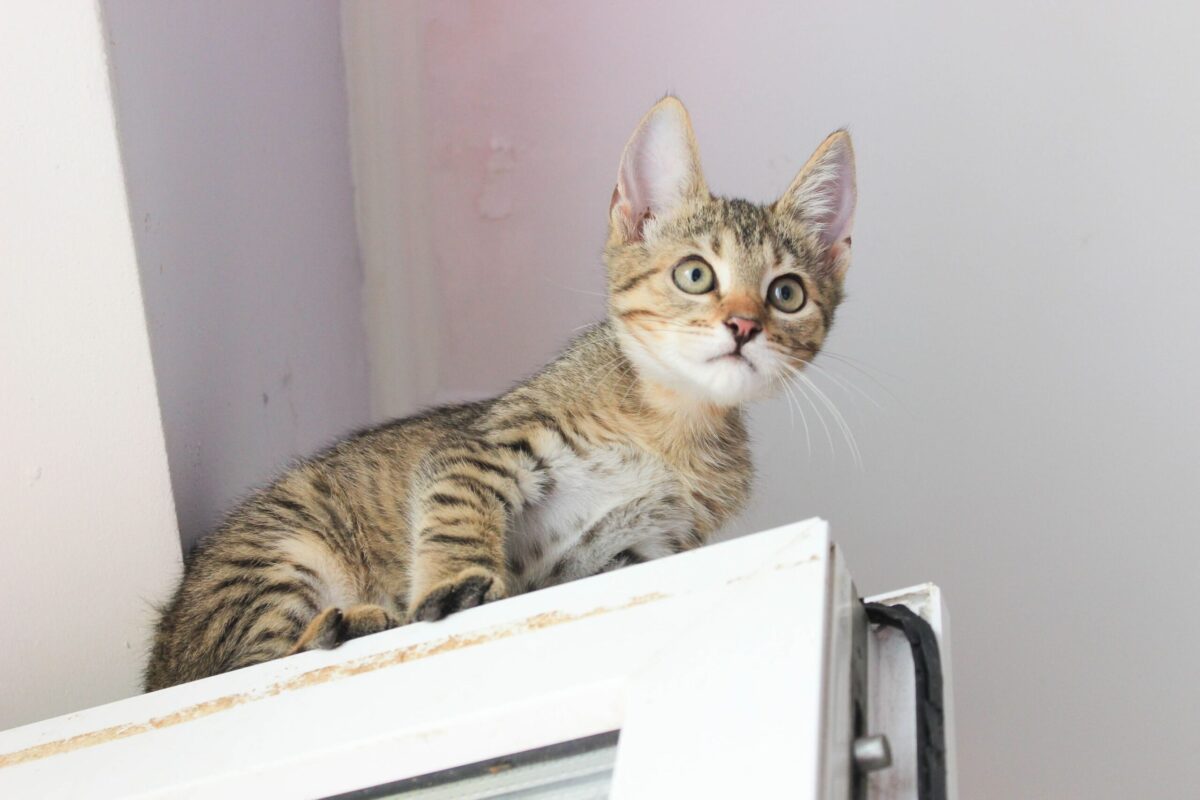
The first week in a new home is for settling, not socializing. Give the kitten one room with food, water, a litter tray, a hiding place, and a bed. Sit in the room, read, talk quietly, and let the kitten come to you. A kitten that chooses to approach learns faster than a kitten that gets picked up before it is ready.
Once the kitten is eating, playing, and moving around the room confidently, start adding experiences one at a time. One new thing per day is plenty. A new person, a new sound, a new texture underfoot — each one is a lesson, and lessons land better when they are not stacked on top of each other.
Watch the kitten’s body. Ears forward, loose body, tail up: curious and coping. Ears flat, body low, tail tucked: too much, too fast. When you see the second set, back off, give the kitten its hiding place, and try again tomorrow with something smaller. Socialization done badly — flooding a frightened kitten with strangers — teaches fear, not confidence.
People: variety without pressure
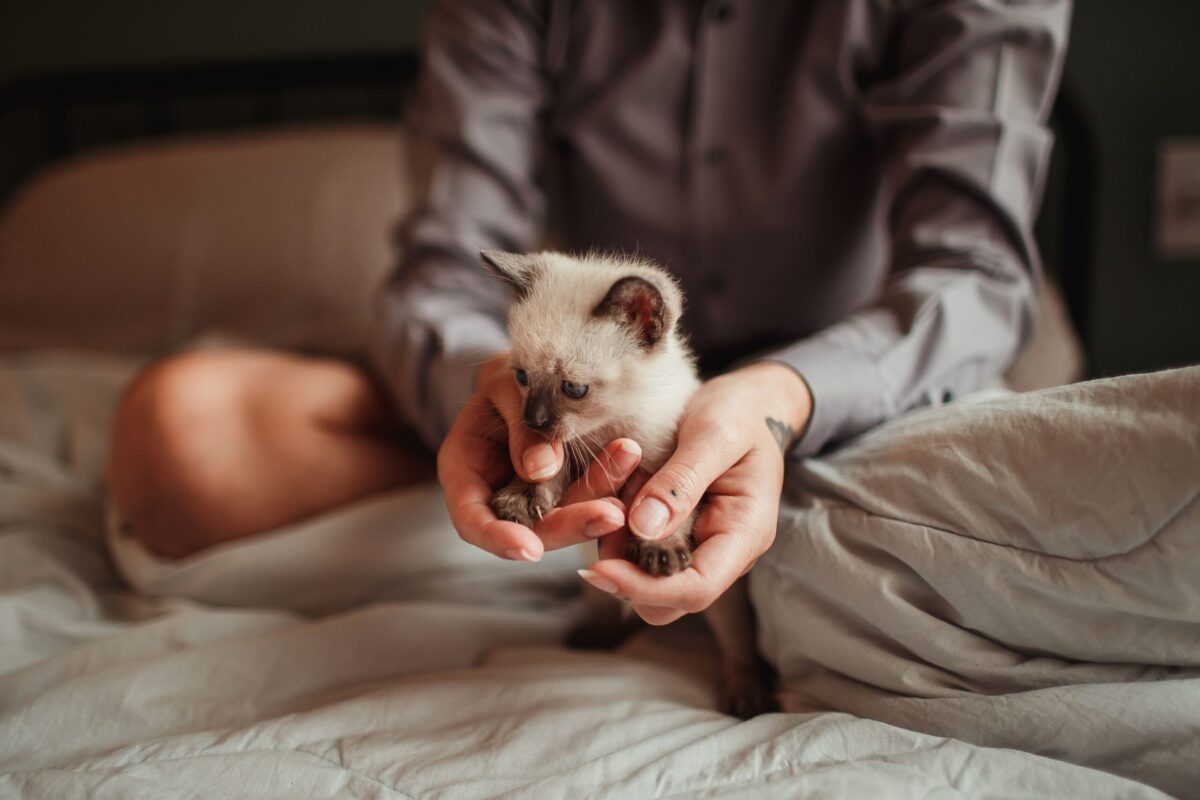
The goal is a kitten that is relaxed around different kinds of people: men, women, children, people with hats, people with deep voices. Invite visitors one at a time, and brief them first: sit on the floor, ignore the kitten, let it approach, and offer a treat or a toy rather than grabbing for a cuddle.
Children need the most coaching. Show them how to stroke gently along the back, not grab, and how to stop when the kitten walks away. Short, positive visits beat long ones. A child who sits quietly for ten minutes while a kitten plays nearby teaches the kitten more than an hour of being passed around like a toy.
If the kitten hides from a visitor, that is information, not failure. Let it hide. It will come out when the house is quiet, and the next visit will go a little better. Forcing a hidden kitten out teaches it that visitors mean being caught.
Sounds, sights, and everyday life

A house is noisy, and a kitten that has never heard those noises will find them alarming. Introduce household sounds gradually: the vacuum from another room first, then closer; the washing machine, the doorbell, music, traffic from an open window. Pair each new sound with something good — a treat, a play session — so the kitten files it under normal rather than scary.
The carrier deserves its own lesson. Leave it out with a blanket inside and treats in it, so it becomes furniture, not a trap that only appears before vet trips. A kitten that naps in its carrier will travel far better than one that only sees it twice a year.
Car rides, if you can manage them, work the same way: a short, calm ride that ends at home teaches the kitten that cars are boring. So does gentle handling practice — touching paws, ears, and belly briefly, a few seconds at a time, with treats — which pays off later at the vet and the groomer.
Other animals: slow is fast

If you have other pets, introductions should be the slowest part of all. Start with scent: swap blankets between the kitten’s room and the other animal’s space so each learns the other’s smell before they ever meet. Then feed on opposite sides of a closed door, so the smell of the other animal starts to mean dinner.
First meetings should be brief and separated — through a baby gate, or with the kitten in its carrier — and end before anyone gets upset. Expect hissing. Hissing is communication, not a failed introduction. What you want to avoid is chasing, cornering, or a full confrontation, because a bad first meeting takes far longer to undo than a slow one takes to arrange.
Give it days, sometimes weeks. A kitten and a resident cat that eat near each other calmly and then choose to nap in the same room have done the hard part. Play and grooming together come later, on their own schedule.
Adopted an older kitten? It still works

If you adopted a kitten at four or five months, or you missed the early window for another reason, do not write socialization off. Older kittens and young cats can still learn — it just takes more repetitions and smaller steps.
The method is the same: one new experience at a time, treats and play as rewards, and retreat always available. An older kitten may need a week where a younger one needed a day. That is how it works. Progress with a shy cat is measured in small choices — staying in the room, eating near a visitor, sitting in the open — and those choices add up.
If a kitten or young cat is frightened of everything despite slow, patient work, talk to your vet. Pain, illness, and genuine anxiety can all look like shyness, and ruling those out first means your socialization work is aimed at the right problem.
Frequently Asked Questions
When should I start socializing my kitten?
As soon as it has settled into your home, usually within the first week. The first few months are the easiest window, but the work is the same at any age: small steps, good experiences, no forcing.
What if my kitten hides from every visitor?
Let it hide, and make visits shorter and calmer. Ask visitors to ignore the kitten and sit quietly. Most kittens come out on their own terms within a few visits, and each calm visit makes the next one easier.
How many people should my kitten meet?
Aim for variety rather than a number: different ages, voices, and appearances, one at a time, over weeks. Ten calm, positive meetings teach more than thirty chaotic ones.
Can I socialize an adult rescue cat?
Yes. It takes longer and the steps are smaller, but adult cats learn too. The same rules apply: choice, treats, retreat available, and patience measured in weeks rather than days.
What if my kitten hisses at visitors?
Hissing is a warning, not naughtiness. Give the kitten space and let the visitor back off. A kitten that learns hissing works — that people respect it — will hiss less over time, not more.
Related reading
- Bringing Home a Puppy: The Complete First-Week Guide
- How to Introduce a New Cat to Your Home: The Slow First Week That Works
- How to Make Your Cat Love You More: 10 Science-Backed Ways to Bond
- Why Do Cats Hide? Normal Behaviour, Stress, and When to Worry
Sources
- RSPCA — kitten socialization advice
- The Humane Society of the United States — kitten care resources
- VCA Animal Hospitals — socializing kittens