
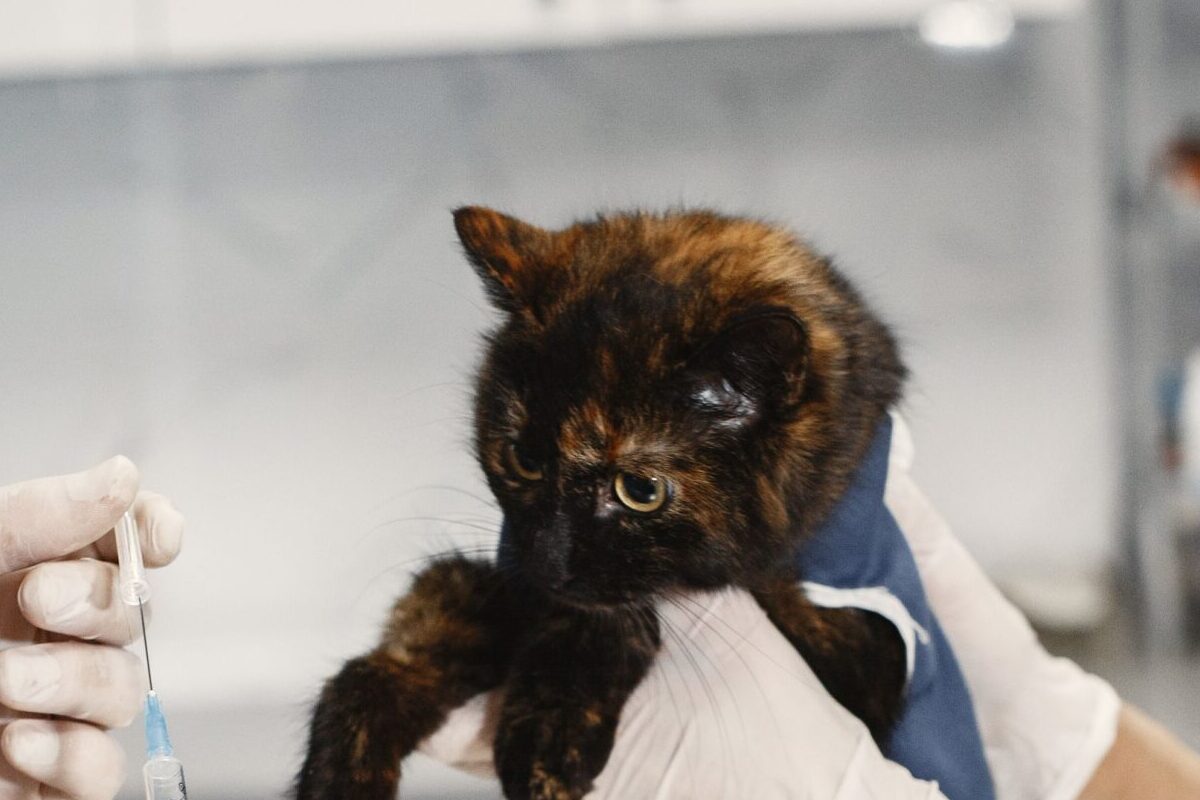
A cat’s dental checkup is a close look at the teeth, gums, and mouth — usually as part of a regular vet visit — and it matters because cats hide tooth pain well. The vet checks for sore gums, tartar, loose or broken teeth, and anything that makes eating uncomfortable, and then talks through what, if anything, needs doing next.
Most cats never complain about their teeth. They keep eating, keep purring, keep doing their normal things — even when their mouth hurts. That’s the tricky part. A cat with a sore tooth doesn’t limp or cry about it the way a person would. She might eat a little more slowly, or favour one side, or drop a piece of kibble now and then, and you’d be forgiven for missing it entirely. Dental problems are one of the most common things vets find in adult cats, and one of the easiest to overlook at home.
A dental checkup is the moment someone qualified actually looks inside your cat’s mouth properly. It isn’t a separate, dramatic procedure. For most cats it’s a few minutes of looking, feeling, and asking you questions — done during a normal visit, while your cat is awake and (mostly) cooperative. This guide explains what the vet looks at, what you should mention before the exam starts, what happens during it, what the vet might suggest afterwards, and how the tooth care you do at home fits into the picture.
Why a cat’s teeth deserve a checkup
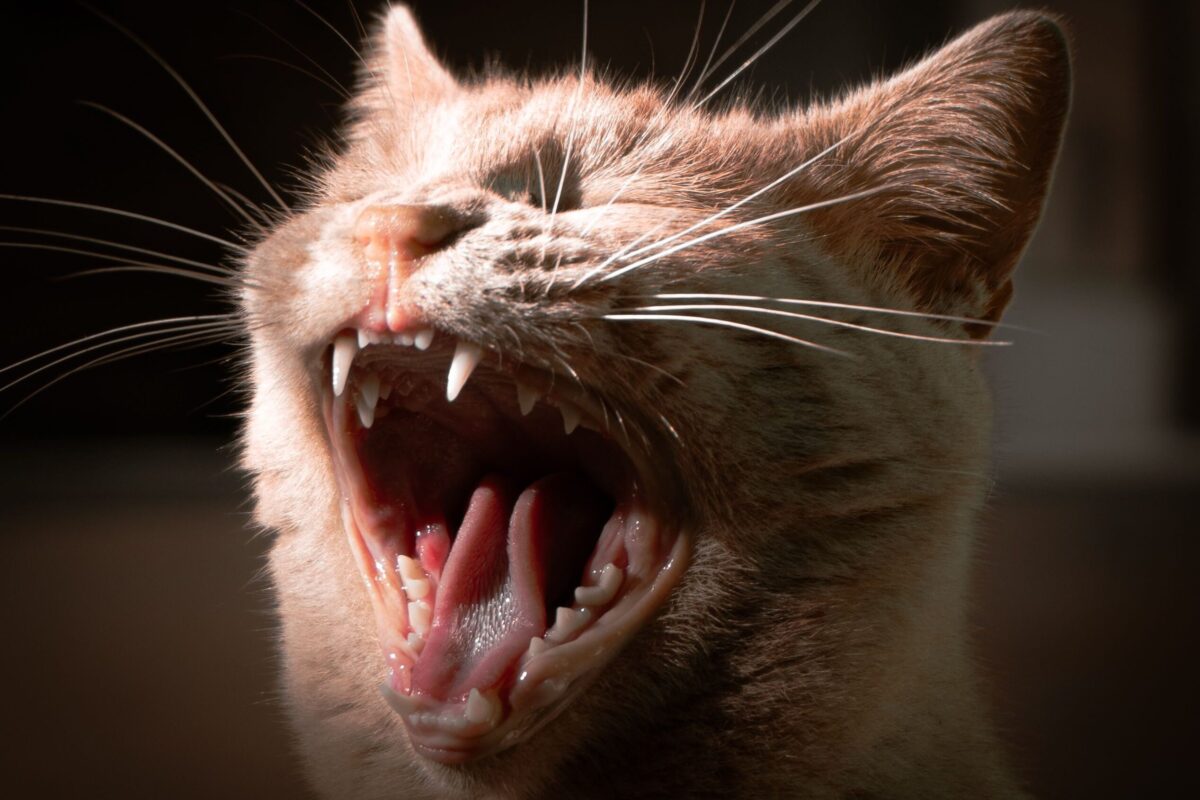
Cats use their teeth differently from dogs. A dog crunches and gnaws; a cat mostly shears and swallows. A cat’s teeth are built for cutting meat into pieces small enough to swallow, not for grinding. That means a cat can lose a surprising amount of chewing ability before she shows any obvious sign of trouble — she just adapts, swallowing pieces whole or chewing on the other side.
The most common dental problem in cats is gum disease. It starts quietly: a thin film of plaque builds up along the gum line, the gums get a little red and sore, and tartar — the hard, yellowish coating — forms on the teeth. Left alone, it creeps under the gum line, and that’s when it starts to hurt and when teeth start to loosen. Cats also get a painful condition where the tooth itself starts to dissolve at the gum line. It’s called tooth resorption, and it’s remarkably common — and remarkably painful — and the only outward sign might be that your cat flinches when she bites down on something hard.
Age matters too. Kittens and young cats rarely have dental problems beyond the odd retained baby tooth. By middle age, though, most cats have some tartar and some gum soreness, and older cats very often have at least one tooth that deserves attention. That’s not a reason to panic. It’s a reason to have someone look, regularly, so small problems get caught while they’re still small.
There’s a wider point as well. A sore mouth doesn’t stay in the mouth. A cat who finds eating painful may eat less, lose weight slowly, and groom less — and a mouth full of bacteria is a constant low-level strain on the body. A dental checkup isn’t cosmetic. It’s part of keeping the whole cat healthy.
What the vet looks at first

The vet starts before she even opens your cat’s mouth. She’ll watch how your cat holds herself, whether she flinches when her face is touched, and whether one side of her face looks different from the other. Swelling along the jaw, a wet patch under the chin, or a cat who pulls away when her cheek is stroked all tell a story before the mouth is even open.
Then comes the look inside. The vet lifts the lip on each side and looks at the teeth and gums: the colour of the gums (they should be pink, not red or pale), the amount of tartar, whether any teeth are broken, chipped, or missing, and whether the gums have pulled back from the teeth. She’ll look at the tongue and the roof of the mouth too, and under the tongue, because sores and growths can hide in places you never see at home.
She’ll also feel along the jaw from the outside, checking for lumps, tenderness, or any asymmetry. A cat’s jaw is small, and a vet’s fingers can feel things your eyes can’t see — a swelling under the jaw, a tooth root that feels sore when pressed, a lymph node that’s bigger than it should be.
Most of this takes a couple of minutes, and most cats tolerate it better than their owners expect — especially if the vet is unhurried and the cat is allowed a moment to settle first. Some cats won’t allow a full look while awake, and that’s fine. A vet would rather do a partial exam calmly than a complete one with a frightened cat. What can’t be seen awake can be looked at another time, when the cat is relaxed or, if needed, under sedation for a proper dental assessment.
The signs worth mentioning before the exam
The vet can only see what’s in front of her in the consulting room. What you’ve noticed at home is the other half of the picture, and it’s worth mentioning — even the small things, even the things you’re not sure about.
Eating changes. The most useful thing you can report is how your cat eats. Does she eat more slowly than she used to? Does she drop food, or chew on one side? Has she started preferring soft food, or leaving the hard pieces in the bowl? Does she approach the bowl eagerly and then walk away? Any of these can mean her mouth hurts.
Drooling or pawing. A cat who drools more than usual, or who paws at her mouth, or who rubs her face against furniture more than she used to, may be trying to tell you something hurts. A little drool after a long grooming session is normal. Drool that appears out of nowhere, or drool with a smell to it, is worth mentioning.
Bad breath. Every cat’s breath has a smell, and it’s rarely pleasant. But breath that has suddenly become much worse, or that smells sweet or rotten in a new way, is a change worth reporting. Bad breath on its own doesn’t diagnose anything — but it’s a useful clue.
Behaviour changes. A cat who has gone quiet, who hides more, who grooms less, or who has stopped playing the way she used to may be dealing with a sore mouth — or with something else entirely. The vet needs to hear about behaviour changes whatever the cause, because they’re often the earliest sign that something is wrong. Our guide to why cats hide covers what hiding usually means and when it’s a sign to take seriously.
What you’ve tried. If you’ve been brushing her teeth, or giving dental treats, or using a water additive, say so. It helps the vet judge what’s working and what isn’t — and it means she won’t suggest something you’ve already tried.
What happens during the exam

A dental checkup at a routine visit is a look, not a treatment. The vet examines the mouth, notes what she finds, and talks to you about it. For most cats, that’s the whole appointment. The vet will tell you what she can see: how much tartar there is, whether the gums look sore, whether any teeth look damaged or loose, and whether anything needs a closer look.
If the vet finds something that needs more investigation — a tooth that looks damaged below the gum line, for instance, or gums that are very sore — she’ll talk to you about the next step. That usually means a proper dental assessment, which is done with the cat asleep, because that’s the only way to examine every tooth properly and to take X-rays of the roots. The vet will explain what that involves, what it costs in broad terms, and why it’s needed before you decide anything. There’s no obligation, and a good vet will never pressure you into it on the spot.
Some cats need their teeth cleaned, which is also done under anaesthetic — the vet scales the tartar off and polishes the teeth, the same way a dentist does for people. Again, this is a conversation, not a surprise. The vet will explain why she’s recommending it and what to expect.
What a dental checkup is not: it isn’t a diagnosis of anything else, and it isn’t a substitute for a full health check. The vet is looking at the mouth. If she notices something elsewhere — a lump, a weight change, a sore spot — she’ll mention it, but the mouth is the focus of this particular look.
What the vet may suggest next

Depending on what the vet finds, the next steps fall into a few broad groups, and it’s useful to know what they are before you’re standing in the consulting room.
Nothing for now, just keep watching. If the teeth look good and the gums are healthy, the vet will say so and suggest you carry on as you are. That’s a perfectly good outcome, and the most common one for young cats.
Home care. If there’s a little tartar starting, or the gums are slightly red, the vet may suggest brushing, or a dental diet, or a particular type of chew — and she’ll show you how to do it. Home care won’t fix a tooth that’s already damaged, but it can slow things down a lot.
A closer look under anaesthetic. If the vet suspects something below the gum line, or wants to X-ray the tooth roots, she’ll suggest a dental assessment with the cat asleep. This is the only way to see the whole tooth, including the part hidden under the gum, and it’s how problems like tooth resorption get properly diagnosed.
Cleaning, or a tooth removed. If tartar is heavy, or a tooth is damaged and painful, the vet may suggest a scale and polish, or removing the tooth. Cats cope remarkably well with fewer teeth — they adapt quickly, and a painful tooth gone is a relief, not a loss. The vet will explain the reasoning, and the decision is yours.
Whatever the suggestion, ask questions. How urgent is it? What happens if we wait? What would you do if this were your cat? Vets expect these questions, and the answers help you make a decision you’re comfortable with. If you want a second opinion, say so — it’s your cat, and it’s your right.
Brushing at home: what actually works

Brushing a cat’s teeth sounds like a joke the first time you hear it. It isn’t. It’s the single most effective thing you can do at home, and most cats accept it far better than their owners expect — if it’s introduced gently.
The key word is gently. You don’t start by forcing a toothbrush into a cat’s mouth. You start by letting her lick a little cat toothpaste off your finger. Then you touch her lip. Then you rub the toothpaste along the outside of her teeth with your finger. Then, after a week or two of that, you introduce a small brush — a finger brush, or a very small pet toothbrush — and do a few seconds of gentle circles on the outer surfaces of the back teeth. That’s where tartar builds up. The insides of the teeth matter less, because the tongue keeps them cleaner.
A few practical points. Use toothpaste made for cats — never human toothpaste, which contains ingredients cats shouldn’t swallow. Keep sessions short: thirty seconds is a win. Do it at a calm moment, not when the cat is wound up. And if your cat truly won’t tolerate it, don’t force the issue — there are other options, like dental diets and chews, that help a little, and the vet can advise on those. A cat who hates brushing but tolerates a dental chew is better off than a cat who fights brushing every day and learns to dread being handled.
The honest truth is that most owners don’t brush their cat’s teeth, and most cats do fine anyway. Brushing helps, and it’s worth trying, but it isn’t a test you have to pass. The checkup is what catches problems — brushing is just the maintenance in between.
How often to book a dental checkup

For most cats, the mouth gets looked at at every routine vet visit, which for a healthy adult cat is usually once a year. That’s a reasonable rhythm — but it isn’t a rule. Some cats need their mouths looked at more often.
Kittens and young cats should have their mouths checked as part of their first-year visits, mostly to make sure the adult teeth have come through properly and no baby teeth have been left behind. Our guide to kittens’ first vet visits covers what those first-year appointments include.
Middle-aged cats — roughly from age seven onwards — benefit from a dental look at least once a year, because that’s when tartar and gum problems start to appear. If your vet has already noted tartar, she may want to see the mouth again sooner.
Older cats often need their mouths checked twice a year, because dental problems progress faster with age, and because older cats are also the ones most likely to have a painful tooth they’ve been quietly living with.
Cats with known dental problems should follow whatever schedule the vet suggests — usually a re-check a few months after treatment, and then back to the normal rhythm.
The simplest rule: if your cat’s mouth is on your mind, book a look. You don’t need a reason, and you don’t need to wait for the annual visit. A quick look in the consulting room is easy, and it either puts your mind at rest or catches something early.
Making the visit less stressful

Most cats hate the vet, and most of that hatred is about the journey, not the vet. A few small things make the whole experience easier for everyone.
The carrier. Leave it out at home, with the door open and a blanket inside, for a few days before the visit. A carrier that only appears on vet days is a signal that something unpleasant is about to happen. A carrier that’s part of the furniture is just a box.
The journey. Cover the carrier with a towel in the car. It blocks out the world, which is the part cats find most stressful. Keep the car calm — no loud music, no sudden braking — and don’t leave the carrier in a hot or cold car while you run errands.
At the clinic. Tell the receptionist that your cat is nervous, if she is. Most clinics will do their best to keep you out of the waiting room, or to see you quickly. If your cat is very stressed, ask whether there’s a quieter time of day to book.
Afterwards. Let her go straight back to her own space when you get home, with food and water as normal. Don’t fuss over her. Most cats settle within an hour or two, and the visit is forgotten by the next day.
A calm cat is easier to examine, and a vet who can examine your cat properly will see more. The preparation matters more than most owners realise.
Frequently Asked Questions
How often should a cat’s teeth be checked?
At every routine vet visit, which for a healthy adult cat is usually once a year. Older cats, and cats with known dental problems, may need their mouths looked at twice a year. If something about your cat’s mouth worries you — eating changes, drooling, bad breath — book a look rather than waiting for the annual visit.
Does a dental checkup hurt my cat?
No. A checkup is a look — the vet lifts the lip, looks at the teeth and gums, and feels along the jaw. Most cats tolerate it well, especially if the vet is unhurried. If your cat won’t allow a full look while awake, the vet will do what she can calmly and suggest another time for the rest, rather than forcing it.
What are the signs of dental problems in cats?
Eating more slowly, dropping food, chewing on one side, preferring soft food, drooling, pawing at the mouth, bad breath that has suddenly got worse, and going quiet or hiding more. Any of these is worth mentioning to the vet. Cats hide tooth pain well, so small changes at home are often the earliest sign.
Can the vet see everything while my cat is awake?
Not everything. The vet can see the crowns of the teeth and the gums, but not what’s below the gum line, and not the tooth roots. For a full assessment — including X-rays of the roots — the cat needs to be asleep. The vet will explain when that’s worth doing and why.
How much does a cat dental checkup cost?
A look at the mouth during a routine visit is usually part of the consultation, not a separate charge. Anything further — a dental assessment under anaesthetic, cleaning, or removing a tooth — is a separate matter, and your vet will explain what’s involved before you decide. If cost worries you, ask for an estimate before agreeing to anything.
Should I brush my cat’s teeth?
It’s worth trying. Brushing is the most effective home care there is, and most cats accept it if it’s introduced gently — toothpaste on a finger first, then a small brush, thirty seconds at a time. Use toothpaste made for cats, never human toothpaste. If your cat truly won’t tolerate it, ask the vet about dental diets and chews instead.
What is tooth resorption in cats?
It’s a condition where the tooth starts to dissolve at the gum line, and it’s very common in cats — and painful. The only outward sign might be that your cat flinches when she bites down on something hard, or that she avoids hard food. It’s diagnosed properly under anaesthetic, when the vet can X-ray the tooth roots.
My cat’s breath smells bad. Is that a dental problem?
It can be, but bad breath on its own doesn’t diagnose anything. Breath that has suddenly become much worse is a change worth mentioning to the vet, who will look at the teeth and gums and decide whether the mouth is the cause. Other things can cause bad breath too, which is another reason to have it looked at rather than guessing.
My cat won’t let anyone look in her mouth. What then?
That’s common, and vets deal with it every day. A vet would rather do a partial exam calmly than a complete one with a frightened cat. What can’t be seen awake can be looked at another time — when the cat is more relaxed, or, if needed, under sedation for a proper dental assessment. Tell the vet your cat is nervous; she’ll adjust.
Sources and further reading
- International Cat Care — Dental care for cats
- Cornell Feline Health Center — Feline dental disease
- American Association of Feline Practitioners — Feline dental care guidelines