
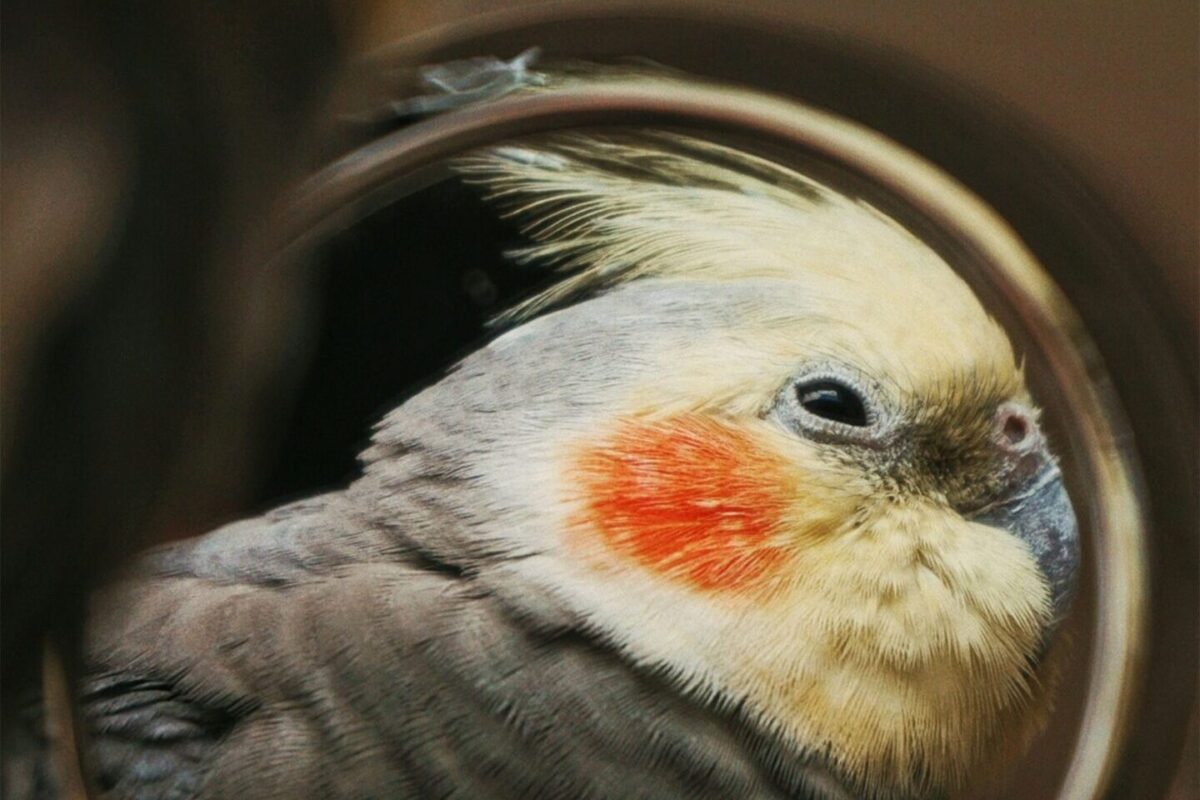
A cockatiel with nothing to do is a cockatiel with problems. He screams. He plucks his feathers. He chews the bars of his cage. He sits in one spot all day, or he paces the same perch over and over. None of this is naughtiness. It’s boredom, and boredom in a cockatiel is a real problem — a bored cockatiel is a stressed cockatiel, and a stressed cockatiel gets sick, plucks, and screams more.
The good news is that fixing boredom is cheap. Thirty dollars is a generous budget for cockatiel toys — it buys several good toys, maybe a whole rotation of them, with money to spare. This guide covers the toys that are genuinely worth buying, the ones that suit a cockatiel’s beak and size, and the toys to skip — including a few that are sold for parrots generally and aren’t right for a cockatiel specifically.
The short answer: shred, ring, and forage
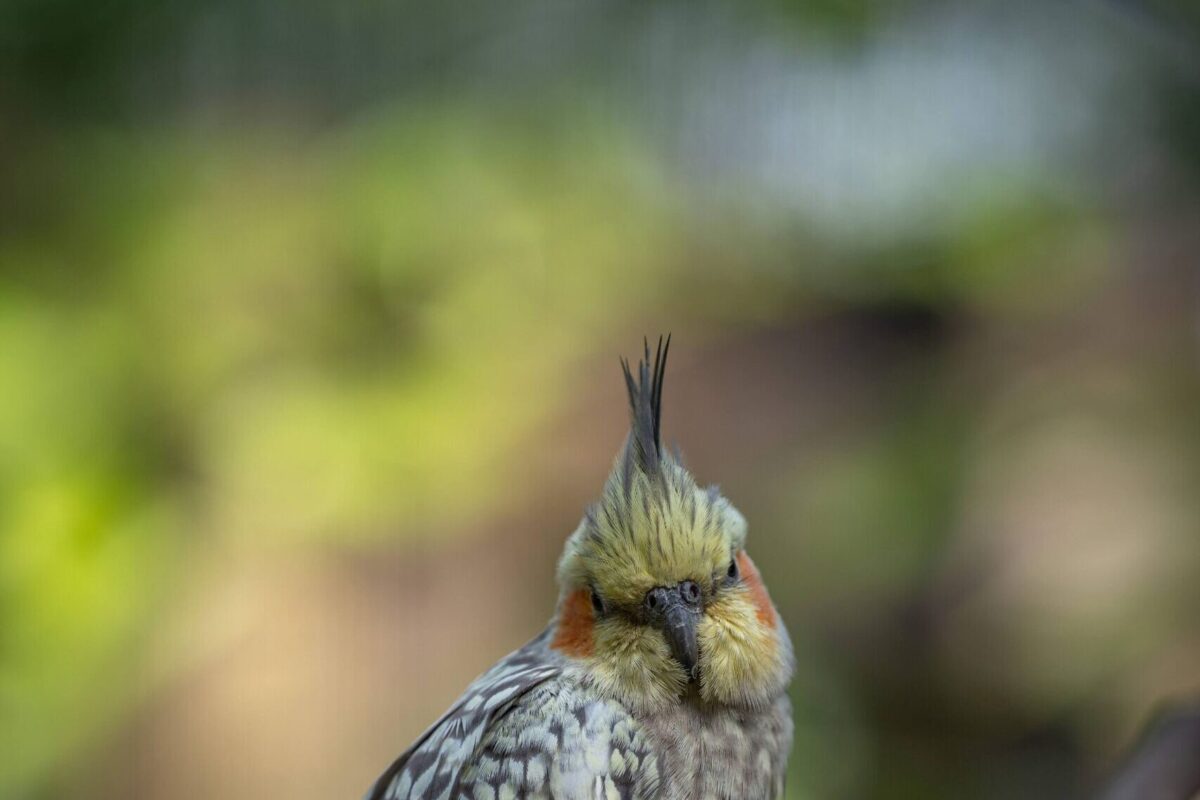
A cockatiel plays in three ways. He shreds things. He rings bells and rattles things. And he forages — he works for his food. A good toy lets him do one of those three things, and the best toys let him do two.
So the rule for a $30 budget is simple: buy toys he can destroy, toys that make a noise, and toys that hide food. Shredding toys, bells, and foraging toys are the core. Everything else — the fancy hanging gyms, the talking toys, the toys with apps — is a bonus, and usually one he’ll ignore.
Shredding toys: paper, palm, and balsa
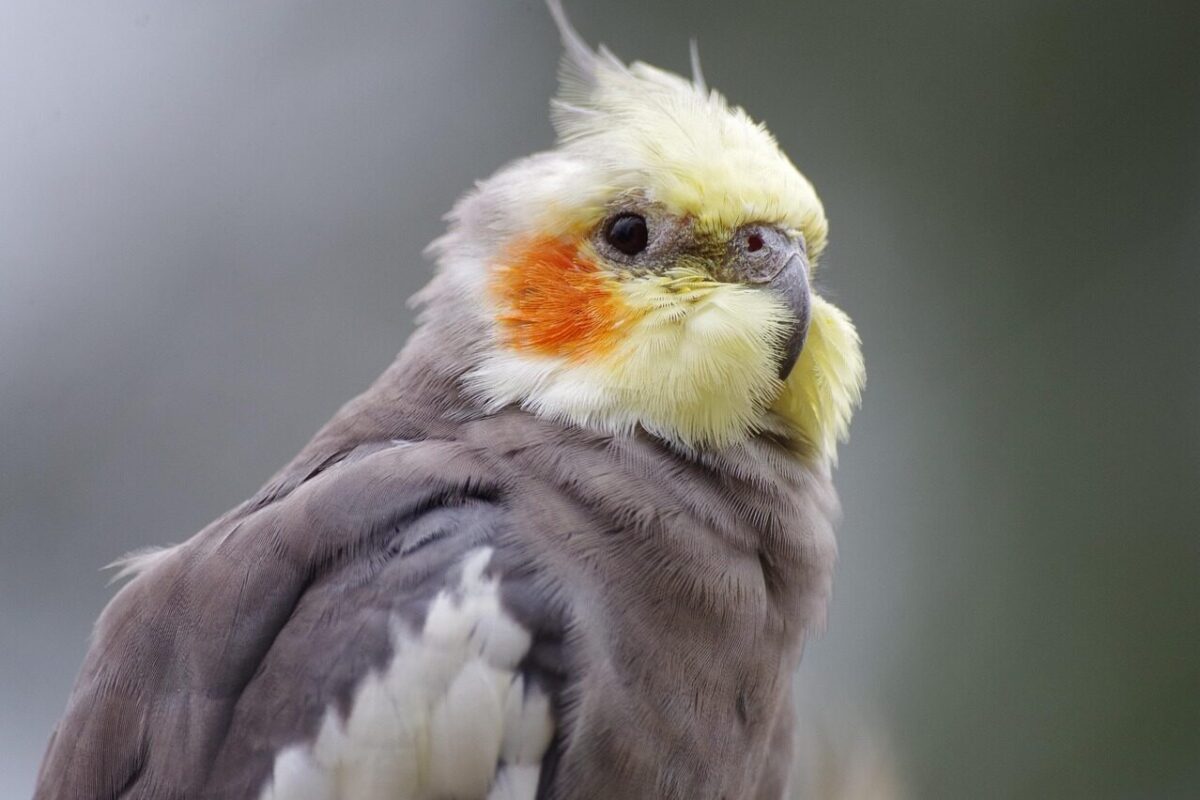
Shredding is the first thing to buy, because it’s the thing cockatiels do most. In the wild, a cockatiel spends much of his day tearing bark, stripping leaves, and pulling apart seed heads. In a cage, a cockatiel with nothing to shred will shred the only things available — the bars, the perches, and his own feathers.
Paper and palm toys. Shredding toys made from paper, palm leaves, or seagrass are the cheapest and best toys you can buy for a cockatiel. They’re designed to be destroyed — your cockatiel pulls them apart, piece by piece, and you replace them when they’re gone. They’re inexpensive, they’re safe, and they keep a cockatiel busy for hours. A pack of them costs very little and lasts for weeks, which is exactly the kind of value a $30 budget is built for.
Balsa wood toys. Balsa is a very soft wood, and cockatiels love it. It’s easy for a cockatiel’s beak to bite through, and it comes apart in satisfying little pieces. Balsa blocks, balsa slats, and balsa shapes hung from a string are all good. Look for balsa that is untreated and undyed — plain wood, no paint, no varnish. Coloured balsa is usually dyed with food-safe colouring, but plain is the safer choice, and it’s usually cheaper too.
Cardboard. You don’t need to buy this at all. A piece of plain cardboard — a toilet roll tube, a small box with a hole cut in it, a strip of corrugated card — is a shredding toy your cockatiel will love, and it’s free. Hang a strip of cardboard from the top of the cage with a bit of string, or stuff a toilet roll tube with hay and a few treats, and you’ve made a toy that will keep a cockatiel busy for an afternoon. The best cockatiel toys are often the ones you make, not the ones you buy.
Bells and noise toys
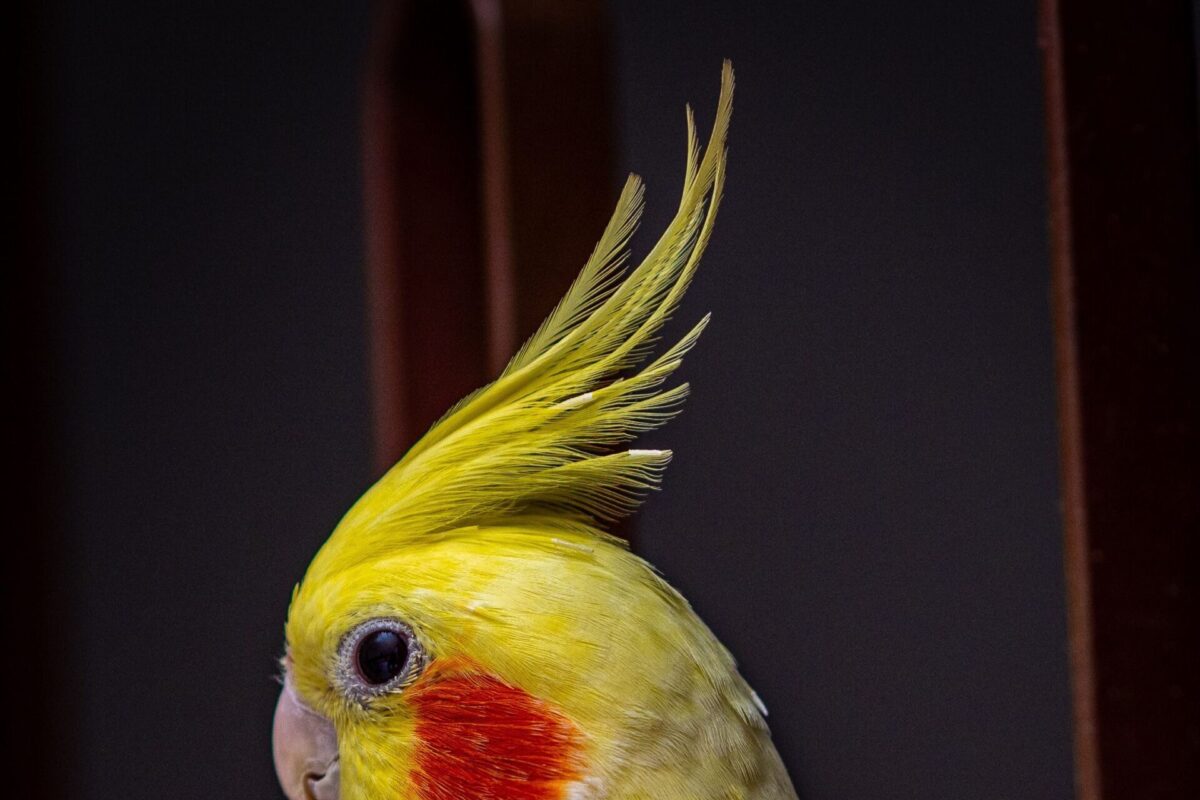
Cockatiels are noisy birds, and a bird that likes to make noise likes toys that make noise back.
Bells. A stainless-steel bell — the kind that rings when it’s pecked or shaken — is the classic cockatiel toy, and for good reason. Cockatiels love bells. They ring them to get attention, they ring them when they’re excited, and they ring them when they’re bored. A bell on a short chain, hung where your cockatiel can reach it, is one of the best buys in this whole guide. And it costs almost nothing.
One thing to check: the bell must be made properly. A bell with a wide slit — the opening where the clapper sits — can trap a cockatiel’s beak or tongue, which is dangerous. Look for a bell with a narrow slit or, better, a rounded bell with no slit at all. If the bell you have has a wide slit, replace it. It’s not worth the risk for the price of a bell.
Rattles and chimes. Small rattles, chimes, and toys with beads inside give the same satisfaction as a bell — a noise when the bird touches it. They’re cheap, they last well, and they give a cockatiel something to do with his beak when he’s not shredding. Look for ones made for small parrots, not for large ones — a rattle that’s too heavy for a cockatiel will be ignored, and a rattle that’s too small can be swallowed.
Foraging toys: work for food

A foraging toy hides food inside it, so your cockatiel has to work to get it out. In the wild, a cockatiel spends hours every day searching for food — picking at seed heads, turning over leaves, digging in the ground. In a cage, food appears in a bowl, and the searching never happens. A foraging toy brings the searching back.
Simple foraging toys. A foraging toy doesn’t need to be complicated. A small cup with food hidden under paper, a piece of cardboard with seeds tucked into the folds, a ball with a hole in it that drops a seed when it’s rolled — these are all foraging toys, and the simplest ones are often the best. If you had to choose between a complicated puzzle and a simple one, choose the simple one. A puzzle that’s too hard gets ignored. A puzzle that’s just hard enough gets played with every day.
Foraging trays. A shallow tray or dish filled with shredded paper, hay, and a few seeds gives your cockatiel a place to dig and search. It’s free to make, it takes a minute to set up, and it keeps a bird busy longer than most toys you can buy. Change the hiding places every day, and the same tray becomes a new toy every day.
Food outside the bowl. The simplest foraging of all is to stop putting all your bird’s food in a bowl. Scatter some of his seeds through the cage, hide a few in a paper bag, wedge some millet in a toy. Your cockatiel will spend his morning finding it, which is exactly what he would be doing in the wild. Our guide to parrot foraging toys covers the same principle in more detail, and the larger toy ideas there are worth a look — but check the size before you buy anything meant for a bigger parrot.
Swings and perches that double as toys

A swing is a toy and a perch at the same time, and cockatiels love them. A simple wooden swing, or a swing made from rope, gives your cockatiel a place to sit that moves — and a moving perch is a toy in itself.
Wooden swings. A plain wooden swing is cheap, it lasts well, and it’s the right size for a cockatiel. Look for a swing that is wide enough for your bird to stand on comfortably with both feet, and that hangs on a short chain or rope so that it swings gently rather than spinning wildly.
Rope swings and perches. Rope is a good material for a cockatiel to grip, and it’s comfortable for their feet. But rope frays, and frayed rope is dangerous — a cockatiel can get a toe caught in a loose thread, or swallow a fibre. Check rope perches and swings weekly, and replace them when they start to fray. If in doubt, throw it out.
Natural perches. A branch from a safe tree — apple, willow, or eucalyptus — makes a good perch, and a perch that your bird can chew is a toy in its own right. Our guide to bird perches covers which woods are safe and how to prepare a branch for the cage.
Sizing: too big, too small, just right

Cockatiels are in an awkward middle size — bigger than a budgie, smaller than a conure — and most parrot toys are made for one end or the other. Getting the size right matters more than it does for most birds.
Budgie toys are often too small. A toy made for a budgie can be too small and too light for a cockatiel. He’ll destroy it in a day, or he’ll ignore it because it doesn’t feel right in his beak. Our guide to budgie toys covers the small end of the scale — the toys there are good for budgies, but check the size before buying them for a cockatiel.
Large parrot toys are too big and too heavy. A toy made for a macaw or a large conure will be too heavy for a cockatiel to move, too hard for his beak to bite through, and too expensive for what it is. A cockatiel needs cockatiel-sized toys: small enough to hold, light enough to move, and soft enough to shred.
The test. Before you buy a toy, ask yourself three questions. Can my cockatiel hold it? Can he bite through it? Can he move it? If the answer to any of them is no, the toy is the wrong size. A toy that your cockatiel can’t use is a toy he won’t use.
What to skip

Rope with frayed fibres. Rope toys and rope perches are fine when they’re new, but once they fray, they’re dangerous. A loose thread can wrap around a toe and cut off the circulation, or a swallowed fibre can block a crop. Check rope toys weekly, and replace them when they fray. If you’re not sure, throw it out.
Bells with wide slits. A bell with a wide opening can trap a beak or a tongue. Look for a bell with a narrow slit, or a rounded bell with no slit at all. It’s the single most important safety check for any bell toy.
Toys with small parts. Anything with glued-on eyes, small beads on thin wire, or parts that can be chewed off and swallowed. Check a toy the same way you’d check a child’s toy: if it looks like it could come apart, it will.
Zinc and lead. Some cheap bird toys use zinc or lead in their hardware — clips, chains, bells — and both metals are toxic to birds. Buy toys from a reputable source, and look for stainless steel hardware where possible. If a toy’s metal looks dull, grey, and soft, and you don’t know what it is, don’t put it in the cage.
Mirrors. A mirror seems like a fun toy, and some cockatiels are fascinated by them. But a mirror can cause problems: a cockatiel can bond with his reflection instead of with you, and he can become aggressive, territorial, or obsessed. A mirror isn’t always a problem, and a mirror for a few hours a day is usually fine, but a mirror that’s in the cage all the time can make a bird more difficult to live with. If your cockatiel has a mirror and he’s becoming aggressive or withdrawn, take it out for a week and see if he improves.
Toys that are all plastic and no texture. A hard plastic toy with nothing to bite into is a toy a cockatiel will ignore. Cockatiels want texture — paper, wood, palm, seagrass — something their beak can sink into. A toy that feels like plastic feels like nothing to a cockatiel.
Keeping a cockatiel interested: rotation

A cockatiel who has the same five toys out all the time will get bored of them. The fix is rotation. Keep half the toys in a drawer, and swap them every few days. A toy your bird ignored for a month will suddenly be fascinating again when it reappears. It’s the easiest trick in this guide, and it costs nothing.
And play with your bird. A cockatiel who gets time out of the cage — a shoulder to sit on, a hand to step onto, a person to whistle at — is a cockatiel who needs fewer toys. The best toy in the world is you, and it’s free. Our guide to cockatiel lifespan and care covers the long view, including what a cockatiel needs over twenty years — and the answer, more than anything, is time and attention.
Frequently Asked Questions
How many toys does a cockatiel need?
Not many. Three or four good toys, rotated, will keep most cockatiels happy — a shredding toy, a bell, a foraging toy, and a swing. What matters more than the number is the variety: something to shred, something to ring, and something to work at for food. If your cockatiel has one of each, he has enough.
Are cheap cockatiel toys safe?
Yes, if you check them. The price doesn’t tell you whether a toy is safe — the construction does. Look for untreated wood, stainless steel hardware, no glued-on parts, no frayed rope, and bells with narrow slits. A cheap toy that passes those checks is safer than an expensive toy that doesn’t.
My cockatiel destroys every toy in a day. Is that normal?
Yes — it’s what he’s supposed to do. A toy that’s been destroyed is a toy that worked. Shredding toys are meant to be destroyed, and a cockatiel who destroys them quickly is a cockatiel who’s using them properly. Keep spares in a drawer and replace them as they’re destroyed. Cheaper toys that get destroyed are better value than expensive toys that don’t get touched.
Should I leave a mirror in my cockatiel’s cage?
Not all the time. A mirror can cause a cockatiel to bond with his reflection instead of with you, and it can make him aggressive or territorial. A mirror for a few hours a day is usually fine. If your cockatiel has a mirror and he’s becoming difficult, take it out for a week and see if he improves.
What if my cockatiel ignores every toy I buy?
Usually one of three reasons. The toy is the wrong size — too big for his beak, or too heavy to move. The toy is always out, so it’s become boring — try rotation. Or your cockatiel wants to play with you, not alone — try a shoulder, a hand, or a whistle. Some cockatiels also just prefer free things: a strip of cardboard, a paper bag, a toilet roll tube. Let him choose.
How often should I replace cockatiel toys?
When they’re destroyed or dirty. Shredding toys are meant to be destroyed and replaced often. Rope toys should be replaced as soon as they fray. Hard toys — bells, swings, perches — last a long time, but check them weekly for damage. And if a toy has been ignored for weeks even after rotation, try a different type.
What’s the best first toy for a new cockatiel?
A paper or palm shredding toy and a stainless-steel bell. They’re cheap, they’re safe, and they’re the two types that most cockatiels take to first. Hang them where your bird can reach them easily, and let him investigate them in his own time. A new cockatiel needs a few days to settle in before he’ll play, and that’s normal — give him time, and let the toys be there when he’s ready.