
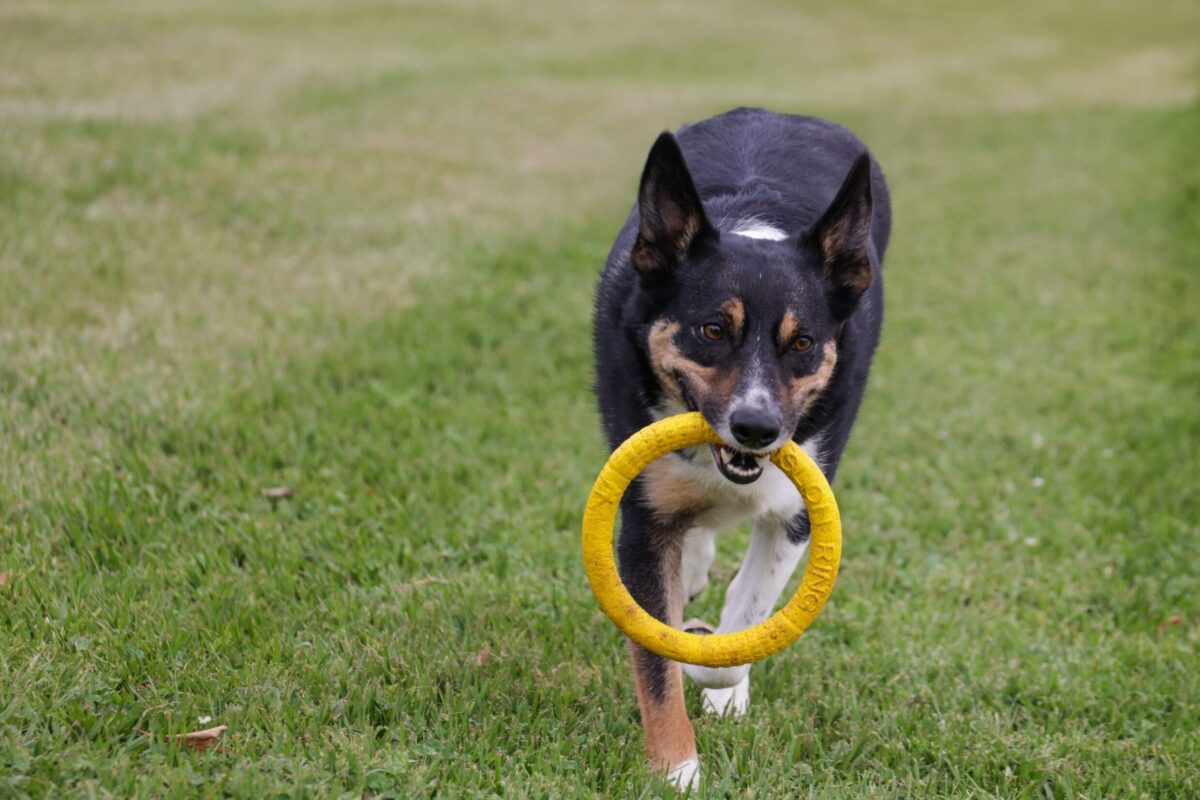
Thirty dollars still goes a long way in a dog toy aisle — even in 2027. The best dog toys under $30 cover the four things every dog actually needs: something to chew, something to chase, something to tug, and something that makes him think. The toys themselves haven’t changed much this year. What has changed is the noise around them — more “indestructible” claims, more flashy packaging, more toys that cost $29.99 and fall apart by the weekend. This guide cuts through that. It covers the types of dog toys worth buying under $30, how to match the toy to your dog’s size and chewing style, what to avoid, and how to make a small collection last.
Here’s the honest starting point: price and quality don’t always match in dog toys. A cheap toy that falls apart in a day is worse than no toy at all — it’s a choking hazard, a mess, and money thrown away. But a well-chosen toy under $30 can last for months, and most dogs are just as happy with a sturdy rubber chew as they are with something that costs three times as much. The difference is knowing what to look for, and being honest about your own dog.
What $30 buys in 2027

Thirty dollars buys a good toy. Sometimes two or three. What it doesn’t buy is a toy that lasts forever for a powerful chewer — and anyone who tells you otherwise is selling something, not advising you. Think of it this way: under $30, you’re buying a solid, well-made toy from a brand people have heard of. Not a luxury item, and not a bargain-bin toy that splits the first time a big dog bites down on it.
Where the money goes furthest is usually a single well-made rubber or nylon chew toy, or a set of two or three simpler toys — a ball, a rope, and a plush toy, for example. Sets are often cheaper than buying the same toys one by one, and they give your dog variety. Variety matters more than any single toy, because dogs get bored of the same thing just like we do.
One thing worth knowing for 2027: the under-$30 shelf is crowded with toys that look identical but aren’t. Two rubber chews can sit side by side at the same price, one from a brand with proper safety testing and one from a brand nobody has heard of. The price tag won’t tell you which is which. The brand name, the reviews, and the feel of the toy in your hand will.
Chew toys: the everyday essential

Every dog needs something to chew. Chewing is how dogs burn off stress, keep their teeth cleaner, and entertain themselves — and a dog with a good chew toy is a dog who is less likely to take it out on your shoes, your furniture, or your remote control.
Rubber chew toys. The classic choice, and still the best value under $30. A solid rubber toy — the kind you can stuff with food — is durable, safe, and does three jobs at once. Smear it with peanut butter, freeze it for a longer challenge, or leave it plain. Rubber toys come in sizes from small to extra-large, and size is where most people go wrong. A toy that’s too small is a choking risk. A toy that’s too big is frustrating and gets ignored. The rule is simple: the toy should be too big to fit entirely in your dog’s mouth, and too big to swallow.
Nylon chew toys. A harder option, for dogs who get through rubber too quickly. Nylon is very durable, but it’s also very hard, and a dog who bites down aggressively can crack a tooth on it. Nylon suits moderate chewers — not dogs who try to bite through everything they own. If your dog is a powerful chewer, rubber is the safer bet, even if it doesn’t last as long.
Edible chews. Dental chews, rawhide alternatives, and natural chews like bully sticks are food, not toys, and they get eaten. They’re useful for keeping a dog busy and for cleaning teeth, but they don’t last, and they need supervision while your dog works through them. Our guide to dog dental chews covers the edible options in more detail.
Chew toys for aggressive chewers in 2027
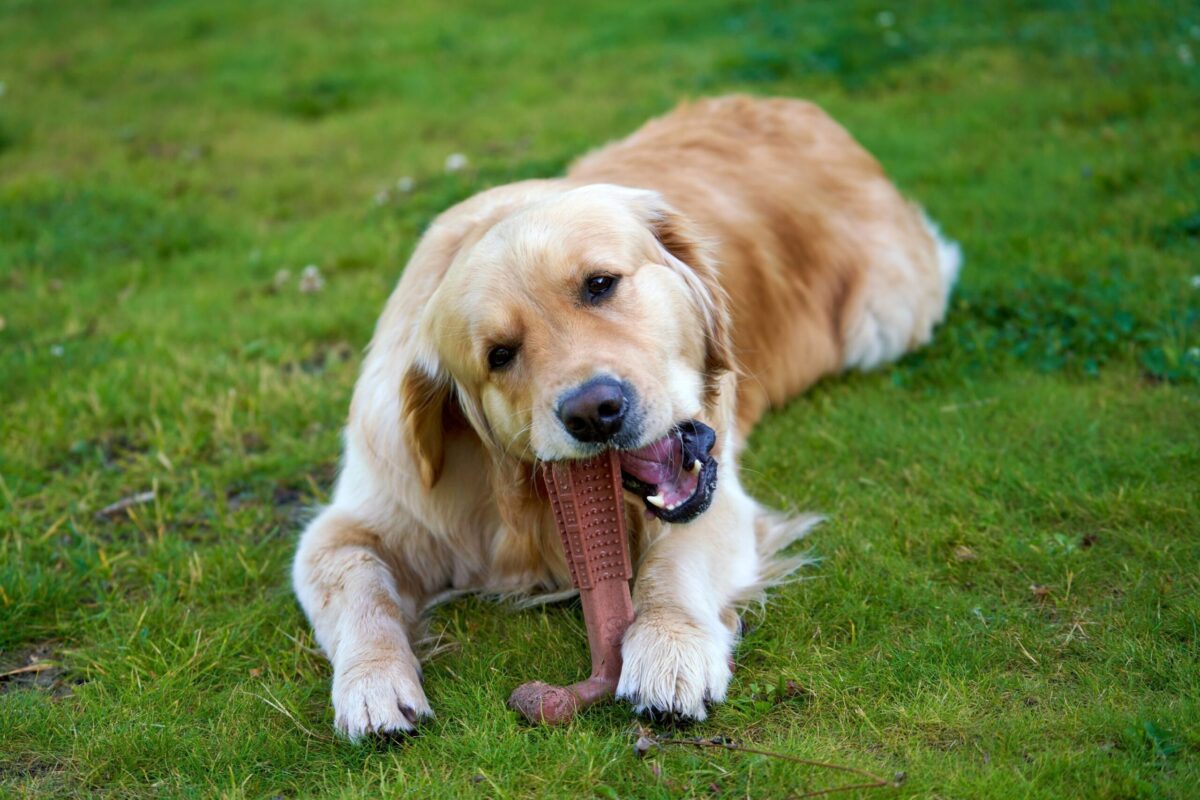
Some dogs don’t chew — they demolish. If your dog turns a “tough” toy into confetti in ten minutes, you already know the problem, and you’ve probably already wasted money on toys that promised more than they delivered.
For a genuinely aggressive chewer, the honest answer is the toughest solid rubber toys, in the largest size that fits your dog. Look for toys made from a single solid piece of rubber with no seams, no glued-on parts, and no hollow weak spots. The fewer joins a toy has, the fewer places it has to fail. A toy you can stuff with food also helps here, because a dog who is working food out of a toy is chewing with a purpose instead of just trying to destroy it.
What doesn’t work: thin rubber, plush toys marketed as “tough”, rope toys left unsupervised, and anything with a squeaker that a strong chewer can dig out in minutes. And be careful with the hardest options — very hard nylon and antler-type chews can crack teeth, and a cracked tooth costs far more than any toy ever will. If your dog has already cracked or worn a tooth, stick to soft rubber.
One more thing worth saying plainly: even the toughest toy has a limit. An aggressive chewer will eventually win against any toy. The goal isn’t a toy that lasts forever. It’s a toy that lasts long enough to be worth what you paid, and that fails safely — wearing down gradually instead of breaking into swallowable pieces. Check it every week, and retire it the moment it starts to crack or shed chunks.
Chew toys for puppies in 2027
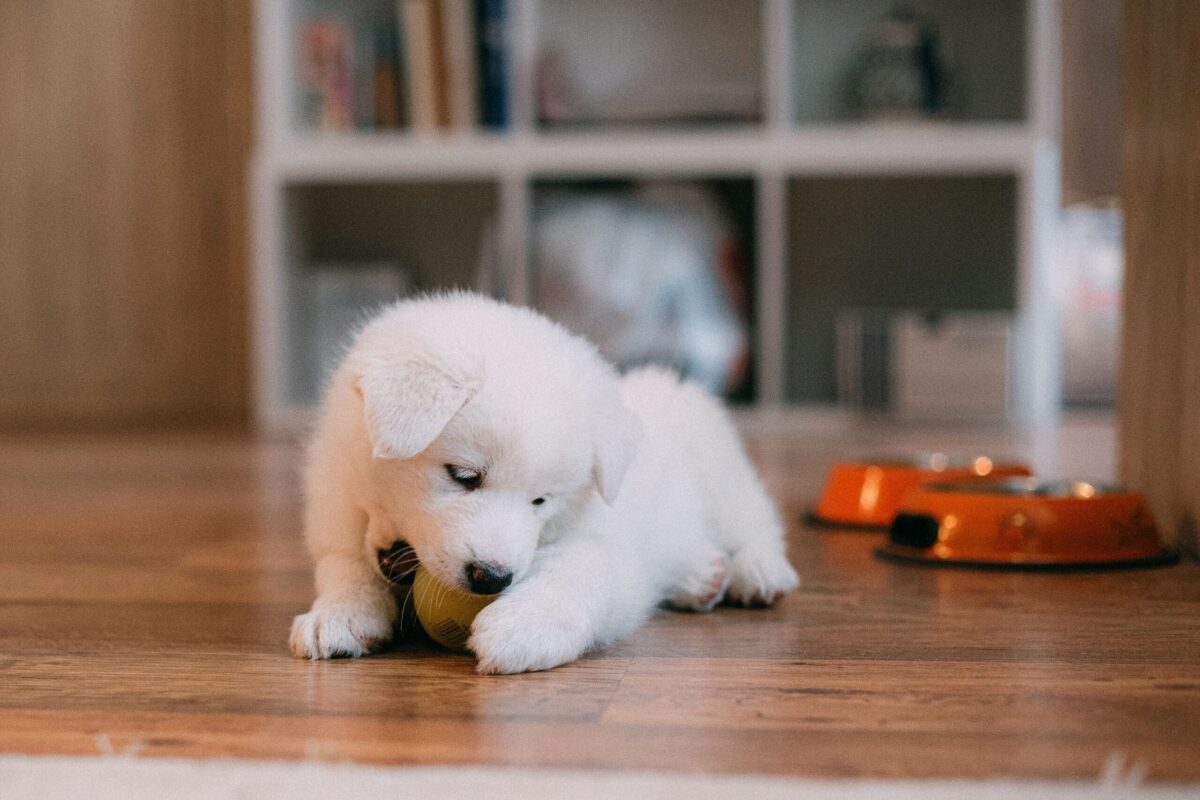
Puppies chew differently from adult dogs, and they need different toys. Their teeth are coming in, their jaws are still developing, and everything goes in the mouth — your shoes, the furniture, the remote, your fingers. A puppy doesn’t need the toughest toy on the shelf. He needs something soft enough not to damage young teeth, and interesting enough to keep him off your belongings.
Soft rubber is the best starting point. A puppy-sized rubber toy, ideally one you can stuff with a little food or freeze, gives a teething puppy something to work on that actually soothes his gums. Cold helps — a rubber toy kept in the fridge or freezer for an hour is one of the simplest teething tricks there is, and it costs nothing.
Skip hard nylon for young puppies, and skip anything small enough to be swallowed whole. Puppy toys should be big for the puppy’s mouth, not matched to his body size — a toy that looks oversized is usually the right size. And rotate them. A puppy who has three toys in rotation is far less destructive than a puppy who has ten toys scattered on the floor and is bored of all of them.
As your puppy grows, his toys need to grow with him. A toy that was perfect at three months can become a choking hazard at eight months. Check the size every few weeks, and size up before the toy becomes too small, not after.
“Indestructible” dog toys under $30: what the word really means

You’ll see the word “indestructible” on a lot of dog toy packaging in 2027, and most of it is sitting on the under-$30 shelf. Here’s the truth: no dog toy is indestructible. Not one. A toy strong enough to survive every dog would be too hard to chew safely, and a toy soft enough to chew safely can always be destroyed by a determined dog. The word on the box is marketing, not a promise.
What the word usually means in practice is “tougher than average” — thicker rubber, reinforced seams, fewer parts to pull off. Some of those toys genuinely are tougher, and for a moderate chewer they can last for months. But “tougher” and “indestructible” are not the same thing, and the gap between them is where dogs get hurt — a toy that was supposed to be indestructible breaks into sharp pieces, or a dog swallows a chunk of it because nobody checked it for damage.
So how should you shop for the toughest toys under $30? Ignore the word on the packaging and look at the toy itself. Is it one solid piece, or several pieces glued together? Are there seams a dog can work open? Is there a squeaker buried inside that a strong chewer will dig out? Can you squeeze it and feel where it’s thin? Those answers tell you more than any claim on the box.
And whatever you buy, the rule that matters most is the weekly check. Squeeze it, pull it, look for cracks and missing pieces. A toy that was safe last month may not be safe this month. Retire it early — a new toy under $30 is always cheaper than the alternative.
Tug and rope toys: for playing together
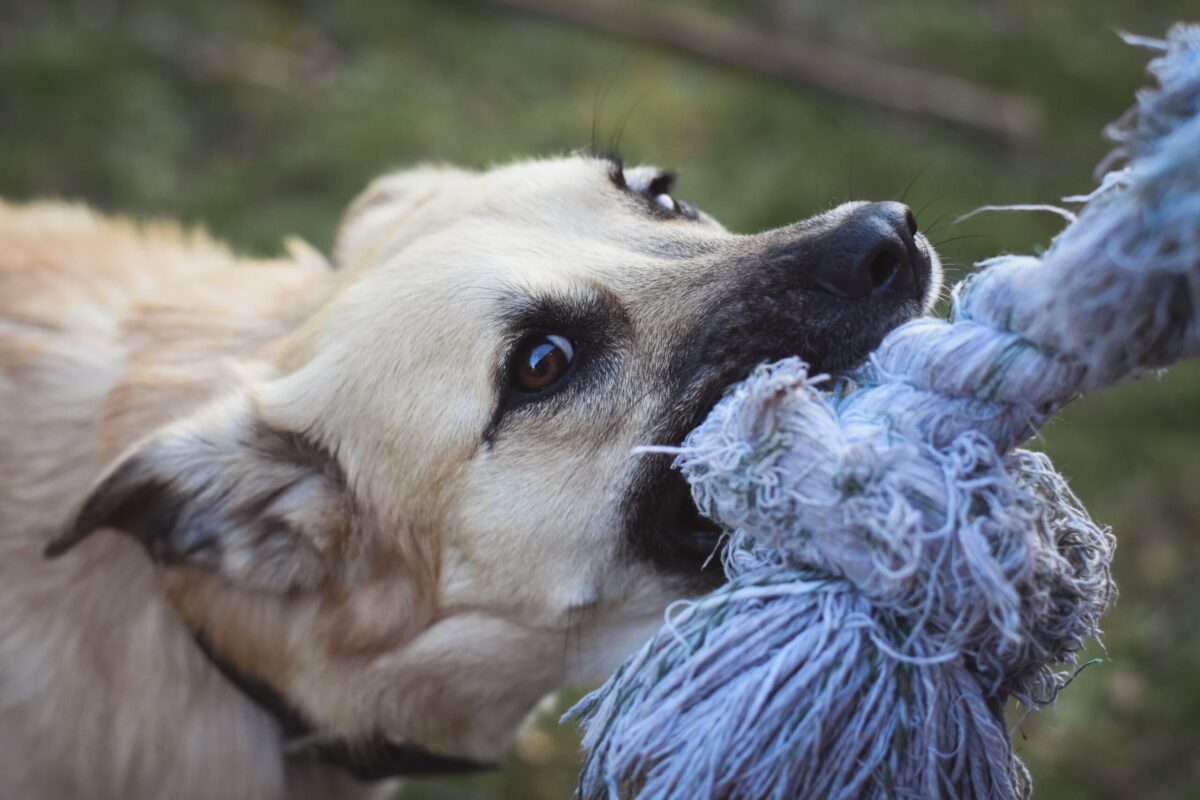
Tug toys are for playing with your dog, not for leaving him alone with them. A rope toy, a tug ring, or a braided tug is a brilliant way to burn off energy and build your bond — and most of them cost well under $30. But they’re shared toys, not solo toys, and that distinction matters.
Rope toys. Simple, cheap, and effective. A good rope toy is tightly woven cotton with knots at the ends, and the rope helps clean teeth as the dog chews it. The catch is that rope frays. A dog who pulls strands out and swallows them can end up with a blockage, so check rope toys every time you play, and throw them away when they start to unravel. A frayed rope toy isn’t a bargain anymore — it’s a hazard.
Tug rings and handles. A rubber ring, or a toy with a handle, is easier for you to hold than a rope, and better for dogs who pull hard. Look for a comfortable grip for your hand and solid construction for the dog. If the toy has a squeaker, make sure it’s well protected — a dog who gets the squeaker out will try to swallow it.
The rules of tug. Tug is a great game, but it has rules, and they make the game better, not worse. The dog drops the toy when you ask. The game stops if teeth touch your hand. The toy goes away when the game ends. A dog who learns the rules of tug is a dog who is learning self-control, and that’s worth more than any toy you can buy.
Balls and fetch toys: for chasing

Most dogs love to chase, and a ball is the simplest toy there is. But not all balls are equal, and the wrong ball is a genuine hazard — not just a bad purchase.
Rubber balls. A solid rubber ball, in the right size, is the safest fetch toy you can buy. It bounces well, it’s easy to clean, and it doesn’t break into pieces. The size rule is the same as for chew toys: too big to swallow, too big to fit entirely in the mouth. A tennis ball, for all its popularity, is the wrong size for a large dog — and its felt covering wears down teeth over time. For regular fetch, a rubber ball is the better choice, and it usually costs less than a pack of tennis balls over a season anyway.
Chuckers and launchers. A ball launcher lets you throw further without tiring your arm out, and it keeps your hands clean. Most launchers, with a ball included, cost well under $30. They’re worth it if your dog lives for fetch — but they’re a tool, not a babysitter. A launcher doesn’t replace playing with your dog. It just lets you play longer.
What to avoid. Don’t use golf balls, squash balls, or any ball small enough to be swallowed. Don’t use balls with a single hole in them — a dog’s tongue can get stuck in the hole, and that is a genuine emergency. And don’t leave a ball-obsessed dog to play fetch alone. Fetch is a game for two, and a dog who plays it alone can become obsessive about it, chasing and dropping the ball for hours without stopping.
Puzzle toys and feeders: for thinking dogs

A bored dog is a dog who gets into trouble, and puzzle toys are one of the best answers to that. A puzzle toy makes a dog work for his food — pushing, sliding, lifting, or rolling — and that mental work tires a dog out almost as much as a long walk. Ten minutes of thinking can do what half an hour of pacing around the garden can’t.
Puzzle feeders. A bowl with ridges, a mat with folds, or a toy with compartments — anything that slows a dog down at mealtimes and makes him think. These are some of the cheapest puzzle toys you can buy, and most cost well under $30. Our guide to slow feeder bowls covers the options for dogs who eat too fast.
Treat-dispensing toys. A hollow rubber toy, a rolling ball with a hole in it, or a toy that drops treats when it’s pushed — these keep a dog busy for ten or twenty minutes, and they’re easy to use. Start easy. A toy that’s too hard will frustrate a dog, and a frustrated dog gives up and goes back to chewing the furniture. Make it easy first, then make it harder as your dog learns the game.
Snuffle mats. A mat made of fabric strips, with treats hidden in the folds. A dog has to sniff and nudge to find the food, which uses his nose — and using his nose is tiring, calming work for a dog. Snuffle mats are cheap, washable, and one of the best boredom-busters you can buy for under $30.
Dog toys for boredom in 2027

Boredom is the root of most bad dog behaviour. The chewing, the digging, the barking at nothing, the pacing — most of it starts with a dog who has nothing to do. Toys don’t fix boredom on their own, but the right toys give a bored dog a job, and a dog with a job is a calmer dog.
The toys that work best against boredom are the ones that make a dog think or work, not the ones that just sit there. A treat-dispensing toy, a snuffle mat, a puzzle feeder — anything where the dog has to figure something out to get the reward. A plain ball, on its own, doesn’t do much for a bored dog left alone in the house. It needs you to throw it. A puzzle toy works even when you’re not there.
Rotation is the other half of the answer. Don’t leave every toy out all the time. Keep half of them in a cupboard and swap them every few days. A toy that disappears for a week and comes back feels new again, and that novelty is half the point. Our guide to enrichment toys for bored dogs goes deeper on what actually keeps a bored dog busy, and which ideas are worth trying first.
One honest warning: no toy replaces time with you. A bored dog with ten toys and no attention is still a bored dog. Toys buy you time and give your dog something to do — they don’t replace walks, training, or play. Use them as part of the answer, not the whole answer.
Plush toys: comfort and play
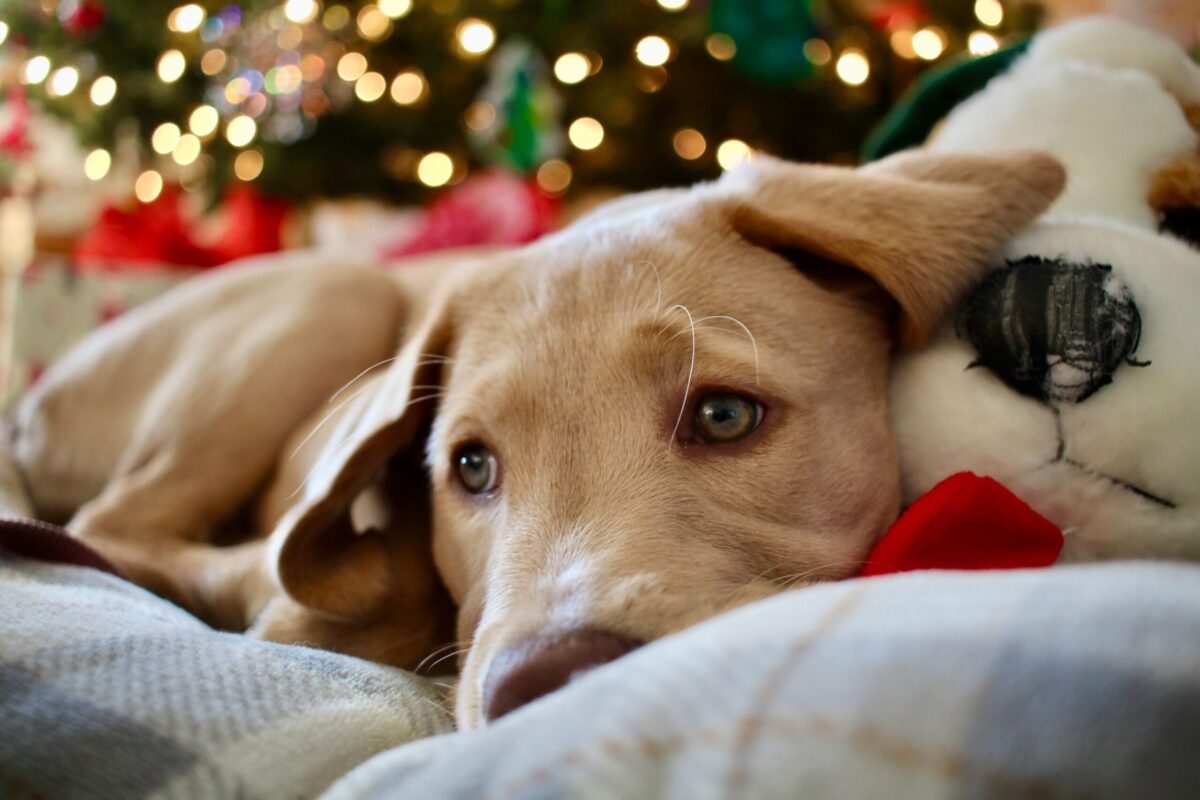
Not every dog needs a plush toy, but many dogs love them — for carrying around, for cuddling, for shaking, and for sleeping with. Plush toys are also the toys most likely to be destroyed, so the rule is simple: if your dog destroys plush toys, don’t buy expensive ones, and don’t leave him alone with them.
When plush works. A gentle dog, or a puppy, will often carry a plush toy around the house and sleep with it. That’s comfort, and it’s worth encouraging. A plush toy with a squeaker is even better for most dogs — the squeaker adds interest, and the toy quickly becomes a favourite. For a nervous dog, a familiar plush toy can be a real comfort in a new place.
When plush doesn’t work. A powerful chewer will destroy a plush toy in minutes, and the stuffing is a hazard if it’s swallowed. If your dog is a destroyer, buy plush toys that are made to be tougher, with reinforced seams and no small parts — or skip plush altogether and stick to rubber and rope. And always check a plush toy after play. If it’s torn, take it away. Repair it or throw it away, but don’t leave a torn plush toy with a dog who will eat the stuffing.
The price rule applies here more than anywhere: a plush toy under $30 that lasts a month is good value. A plush toy under $10 that lasts ten minutes is not. Buy the tougher one, even if it costs a few dollars more.
How to choose the right size and toughness

Size. The toy should be too big to fit entirely in your dog’s mouth, and too big to swallow. When in doubt, go bigger. A toy that’s slightly too big is frustrating for a day. A toy that’s slightly too small is a choking hazard. That asymmetry — a day of frustration against a real emergency — is the whole decision. Go bigger.
Toughness. Be honest about your dog, not optimistic. A gentle chewer can have almost anything. A moderate chewer needs rubber or tough nylon. A powerful chewer — a dog who destroys toys in minutes — needs the toughest rubber toys, and even those won’t last forever. No toy is indestructible, and any toy that claims to be is lying. The honest question isn’t “will this toy last forever”. It’s “will this toy last long enough to be worth the price”.
Age. Puppies need softer toys. Their teeth and jaws are still developing, and a toy that’s too hard can damage them. Older dogs may need softer toys too, if their teeth are worn down. A senior dog who has always loved a hard chew may need a gentler version of the same thing as he ages. Watch how your dog chews, not just what the packaging says the toy is for.
Your dog’s habits. Does he chew to relax, or does he chew to destroy? A dog who gnaws gently for an hour is a different customer from a dog who tries to rip everything apart in five minutes. Buy for the dog you have, not the dog you wish you had.
What to skip

Toys with small parts. Eyes, buttons, bells, squeakers that aren’t well protected — anything a dog can bite off and swallow is a hazard. If a toy has parts that come off, don’t buy it. If you already own it, remove the parts before giving it to your dog, or throw it away.
Toys that fall apart. A toy that sheds pieces, splits, or cracks belongs in the bin. Check your dog’s toys every week — squeeze them, pull them, look for damage. A toy that was safe last month may not be safe this month, and the damage is often hard to spot until you actually look for it.
Cooked bones and antlers. Cooked bones splinter, and antlers are hard enough to crack teeth. Neither belongs in the toy box. Stick to toys made for dogs, from brands people have heard of.
Toys that are too cheap. A toy that costs almost nothing is usually worth almost nothing — thin rubber, weak seams, poor dyes, no safety testing. Under $30 doesn’t mean under $3. Buy from a brand you’ve heard of, and read the reviews before you buy, not after the toy falls apart.
Toys that don’t suit your dog. A herding dog doesn’t need the same toys as a terrier. A tiny dog doesn’t need the same toys as a giant one. The most expensive mistake isn’t buying a bad toy — it’s buying a good toy for the wrong dog.
How to make toys last longer

Rotate them. Don’t give your dog all his toys at once. Keep half of them in a cupboard and swap them every few days. A toy that disappears for a week and comes back is a new toy again, and rotation means each toy lasts longer because it’s being used less.
Supervise new toys. The first time your dog gets a new toy, watch him play with it. That tells you whether it’s the right size, the right toughness, and whether he’s likely to destroy it. If he’s destroying it in the first five minutes, it’s the wrong toy. Take it away and try something tougher — don’t wait for it to break into pieces.
Clean them. Rubber and nylon toys can be washed with warm soapy water, or put in the dishwasher. Rope toys can go in the washing machine. Clean toys last longer, smell better, and are safer — because a dirty toy is a toy full of bacteria, and a dog who chews it is eating all of that.
Replace them. Every toy has a life. When a toy is torn, cracked, frayed, or missing pieces, throw it away and replace it. A new toy under $30 is cheaper than the alternative, and it’s a better deal than trying to squeeze another month out of a toy that’s already falling apart.
Frequently Asked Questions
What are the best dog toys under $30 in 2027?
A sturdy rubber chew toy, a rope tug toy, a rubber ball, and a puzzle feeder or snuffle mat. Those four cover chewing, tugging, chasing and thinking, and all of them are available well under $30 from brands people have heard of.
Are there really indestructible dog toys under $30?
No. No dog toy is indestructible, at any price. The toughest toys under $30 are solid rubber toys with no seams and no small parts, and they can last a powerful chewer weeks or months — but they will wear out eventually. “Indestructible” on the packaging is marketing, not a promise.
How do I choose the right size toy for my dog?
The toy should be too big to fit entirely in your dog’s mouth and too big to swallow. When in doubt, go bigger — a toy that’s slightly too big is frustrating for a day, while a toy that’s slightly too small is a choking hazard.
What chew toys are best for aggressive chewers?
The toughest solid rubber toys, in the largest size that fits your dog, with no seams or glued-on parts. Avoid very hard nylon and antler-type chews, which can crack teeth. Check the toy every week and retire it as soon as it starts to crack or shed pieces.
What chew toys are safe for puppies?
Soft rubber toys, ideally ones you can stuff with food or freeze — the cold soothes teething gums. Skip hard nylon for young puppies, and make sure the toy is big for the puppy’s mouth. Size the toy up every few weeks as your puppy grows.
Are cheap dog toys safe?
Cheap doesn’t have to mean unsafe, but very cheap usually does. Buy from a brand you’ve heard of, avoid toys with small parts that can be bitten off, and check toys every week for damage. A toy that costs almost nothing is usually made of thin rubber, weak seams and poor materials.
How many toys does a dog need?
Three or four good toys, rotated regularly, is enough for most dogs. Variety matters more than quantity — a chew toy, a tug toy, a ball and a puzzle toy cover everything a dog needs. Rotating them keeps them interesting.
Can I leave my dog alone with toys?
It depends on the toy and the dog. A sturdy rubber chew is usually fine to leave. A rope toy, a plush toy or a toy with a squeaker should be supervised, because a dog can pull them apart and swallow the pieces. Never leave a dog alone with a new toy until you’ve seen how he plays with it.
Do puzzle toys really help a bored dog?
Yes. A puzzle toy makes a dog think, and thinking tires a dog out almost as much as physical exercise. A dog who works for his food for ten or twenty minutes is a calmer, happier dog than one who eats from a bowl in thirty seconds and then looks for trouble.
Are tennis balls safe for dogs?
Not for regular use. A tennis ball is the wrong size for a large dog, and the felt covering wears down teeth over time. A solid rubber ball in the right size is a better, safer choice for fetch.
Sources and further reading
- American Kennel Club — Choosing safe dog toys
- Royal Society for the Prevention of Cruelty to Animals — Dog toys and enrichment
- VCA Animal Hospitals — Dog toy safety