

Canada is one of the easier countries to bring a dog into — there is no routine quarantine for a healthy, properly documented dog, and no import permit for an ordinary family pet. But “easier” does not mean “no rules”. The whole system turns on one document: proof that your dog does not carry a rabies risk. Get that document right, and the border crossing is usually quick. Get it wrong, and your dog may be vaccinated at your expense before it is allowed in.
Two agencies run the process. The Canadian Food Inspection Agency (CFIA) sets the import rules, and the Canada Border Services Agency (CBSA) checks the paperwork and the animal at the border. Airlines, by the way, are a separate matter — an airline can require its own health certificate or crate rules even when the border does not.
The one document that matters most: the rabies certificate
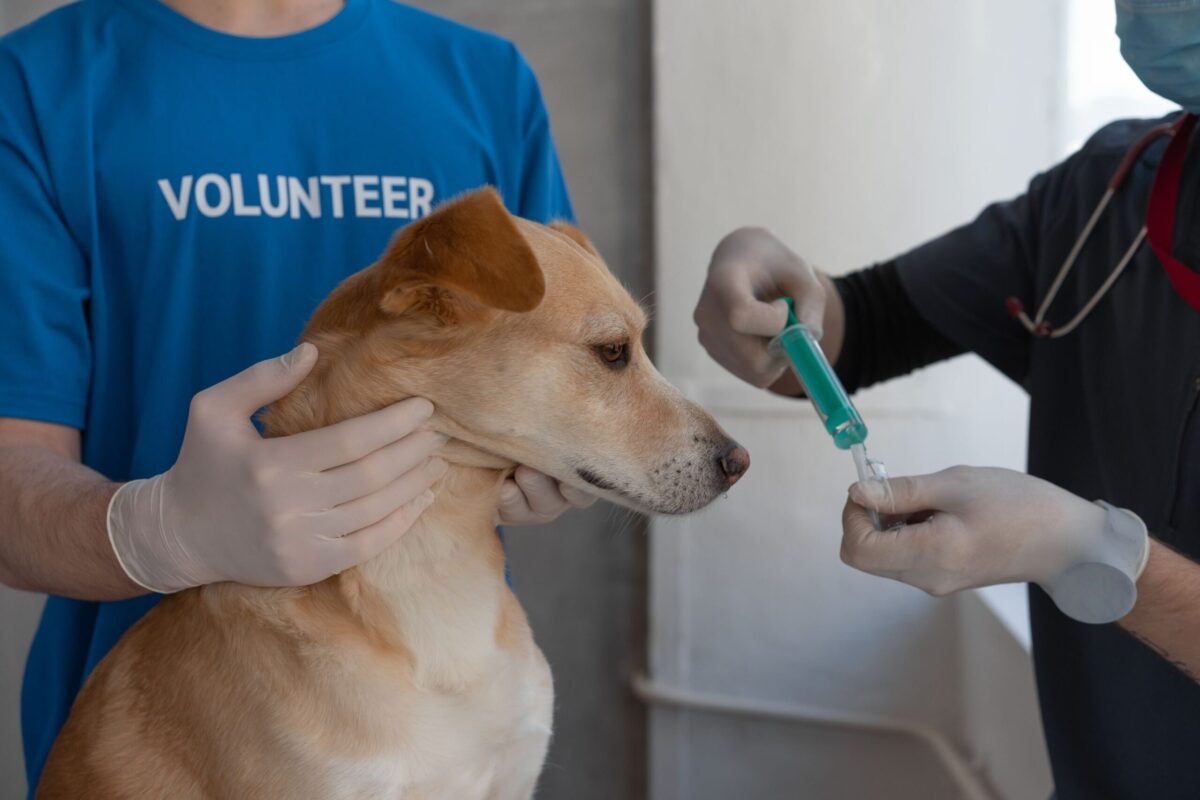
For a personal pet dog traveling with its owner from a country that is not rabies-free, the core requirement is a valid rabies vaccination certificate. It must be written in English or French (or carry an official translation), issued and signed by a licensed veterinarian, and it must clearly identify the dog — breed, age, sex, color and markings — and show that the dog is currently vaccinated against rabies, including the vaccination date, the vaccine’s trade name and serial number, and how long the vaccination lasts. If no validity period is stated, the CFIA treats the certificate as valid for one year from the vaccination date.
There is an alternative for adult dogs: a rabies antibody titre test result of at least 0.5 IU/ml, taken three to four weeks after a previous rabies vaccination, with the dog properly identified on the laboratory report. Most owners will never need this route — the certificate is the normal path — but it exists for dogs whose paperwork is unusual.
Puppies under three months are different

Dogs under three months old do not need a rabies certificate, because they are too young for the vaccination itself. That does not mean a free pass: the puppy must appear healthy at the border, and you should be able to prove its age. And think about the return journey too — most countries, including the United States, require rabies vaccination for re-entry, so a puppy that enters Canada unvaccinated may not be allowed straight back home until it is old enough to be vaccinated.
Coming from a rabies-free country
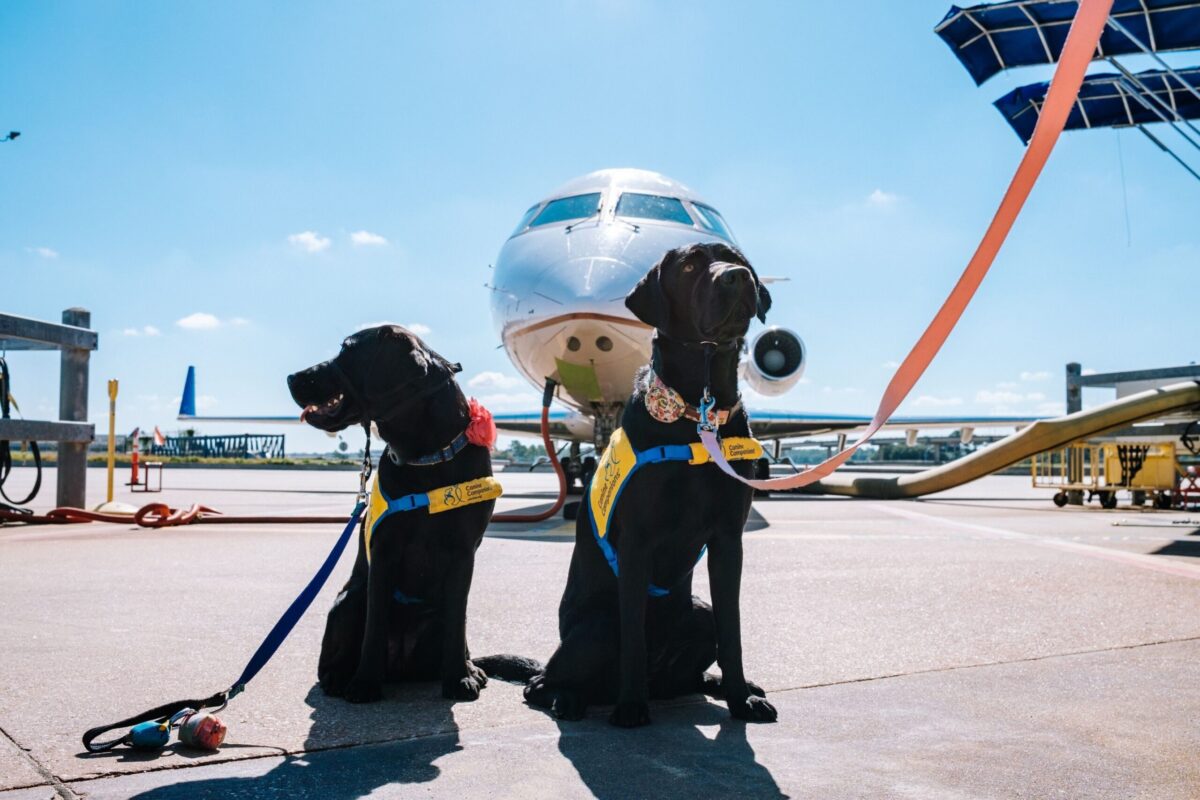
Canada recognizes a short list of countries as rabies-free — nine in total, including the United Kingdom, Ireland, Australia, New Zealand, Japan, Finland, Iceland and Sweden. Dogs arriving from those countries can enter with an official certificate confirming the country of origin instead of a rabies vaccination certificate. If your dog comes from anywhere else, including the United States, the rabies certificate is required.
Traveling without your owner changes the paperwork
The simpler rules above assume the dog travels with its owner. A dog traveling unaccompanied — shipped, or traveling with someone else — needs more: the rabies certificate plus a veterinary certificate of health. Dogs under eight months travelling without their owner have extra requirements on top of that. And if the dog is being imported commercially — for resale, for adoption facilitation by an organization, for breeding or exhibition — it is a different category again, and a CFIA import permit is required before the dog travels. A family pet travelling with its family needs no import permit.
No quarantine, but the dog must look healthy

Canada does not routinely quarantine a healthy dog with valid paperwork. What officers do check, every time, is that the animal appears healthy and shows no visible signs of illness or injury. A dog that looks ill can be held for a veterinary inspection at the owner’s expense. And if the rabies paperwork does not meet the requirements, an inspector can order the owner to have the dog vaccinated against rabies within a set period, at the owner’s expense, and to present the new certificate.
The practical lesson is unglamorous but true: sort the certificate weeks before travel, carry the original (not just a photo), and make sure every detail on it matches the dog standing in front of the officer. This is general information about the import rules, not legal or veterinary advice — for an unusual case, check the CFIA’s guidance for your exact situation before you travel.
Frequently Asked Questions
Does my dog need a microchip to enter Canada?
Not for a personal pet dog. The CFIA does not require a microchip for personally owned dogs. A microchip is still a good idea for identification, and it may be needed for the return journey or by your airline — but it is not a Canadian border requirement for a family pet.
My dog is under three months old. What do I need?
No rabies certificate, since the puppy is too young to be vaccinated — but you should be able to prove the puppy’s age, and the puppy must appear healthy. Also plan the return trip: most countries will require rabies vaccination before the puppy can come back.
I am flying, not driving. Does my airline need anything extra?
Possibly. Airlines set their own rules and may require a health certificate, an approved crate, or specific check-in procedures, even when the border itself only asks for the rabies certificate. Check with the airline well before booking.
What happens if the rabies certificate is missing or wrong?
An inspector can order you to have the dog vaccinated against rabies within a set time, at your expense, and to present the new certificate. A dog that appears ill can be held for a veterinary inspection at your expense. Sorting the paperwork before travel avoids both.
Do I need an import permit for my family dog?
No. A personal pet dog travelling with its owner needs no CFIA import permit. Permits are for commercial imports — dogs brought in for resale, adoption facilitation, breeding or exhibition. If that is your situation, the rules are different and stricter.
Related reading
- Dog Body Language: How to Read What Your Dog Is Feeling
- Bringing Home a Puppy: The Complete First-Week Guide
- How Much Exercise Does a Dog Need? By Age, Size and Breed Type
- Senior Dog Care: Helping Your Older Dog Age Well
Sources
- Canadian Food Inspection Agency, Import Reference Document for animals
- Government of Canada, CFIA pet import tool and travelling with pets guidance