
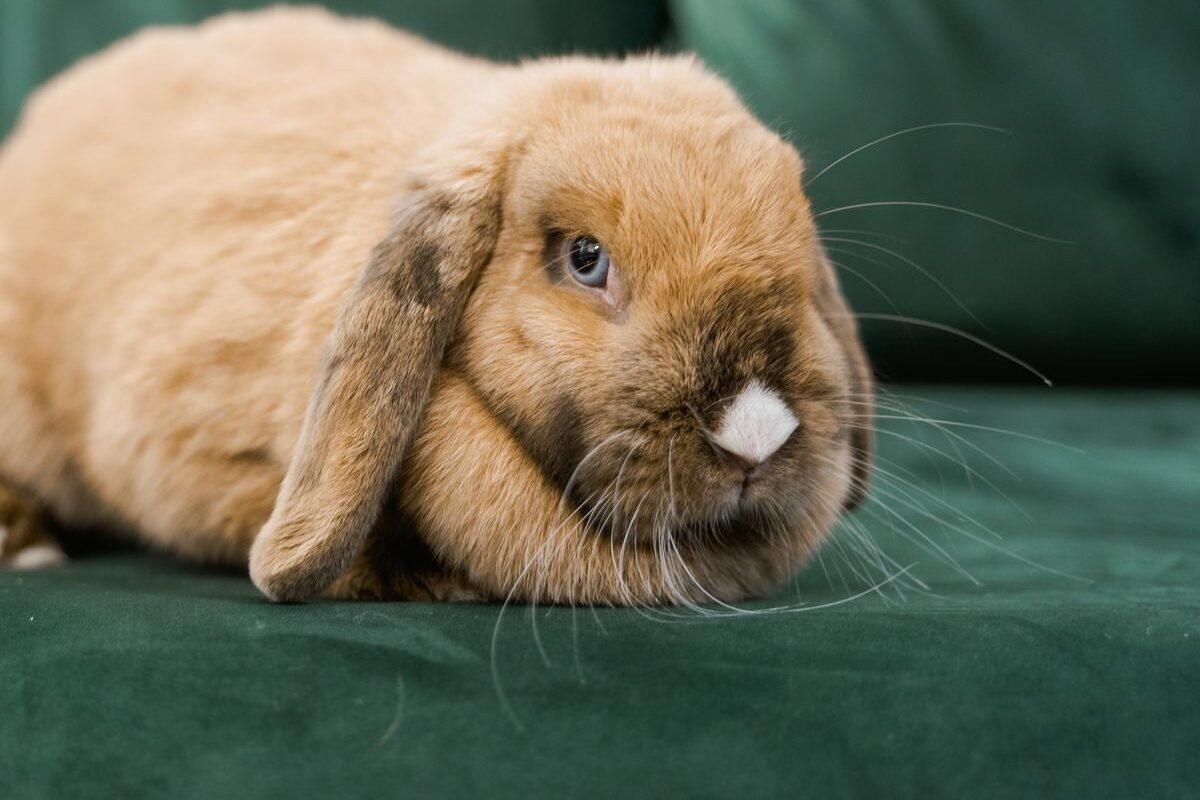
Watch a rabbit in a new room and you will see a small ritual repeat itself. The rabbit hops up to an object, lowers its head, and rubs its chin along it, once or twice, deliberately. Then it moves to the next object and does it again. Shoes, table legs, toys, your hand, the cat’s bed — everything gets chinned. It looks odd, and it looks a lot like the rabbit is just being strange. It is not. Your rabbit is labelling the world as its own.
Chinning is one of the most common rabbit behaviours, and one of the least understood by new owners. Once you know what it is, you will see it everywhere — and you will understand your rabbit a little better for it.
The scent gland under the chin
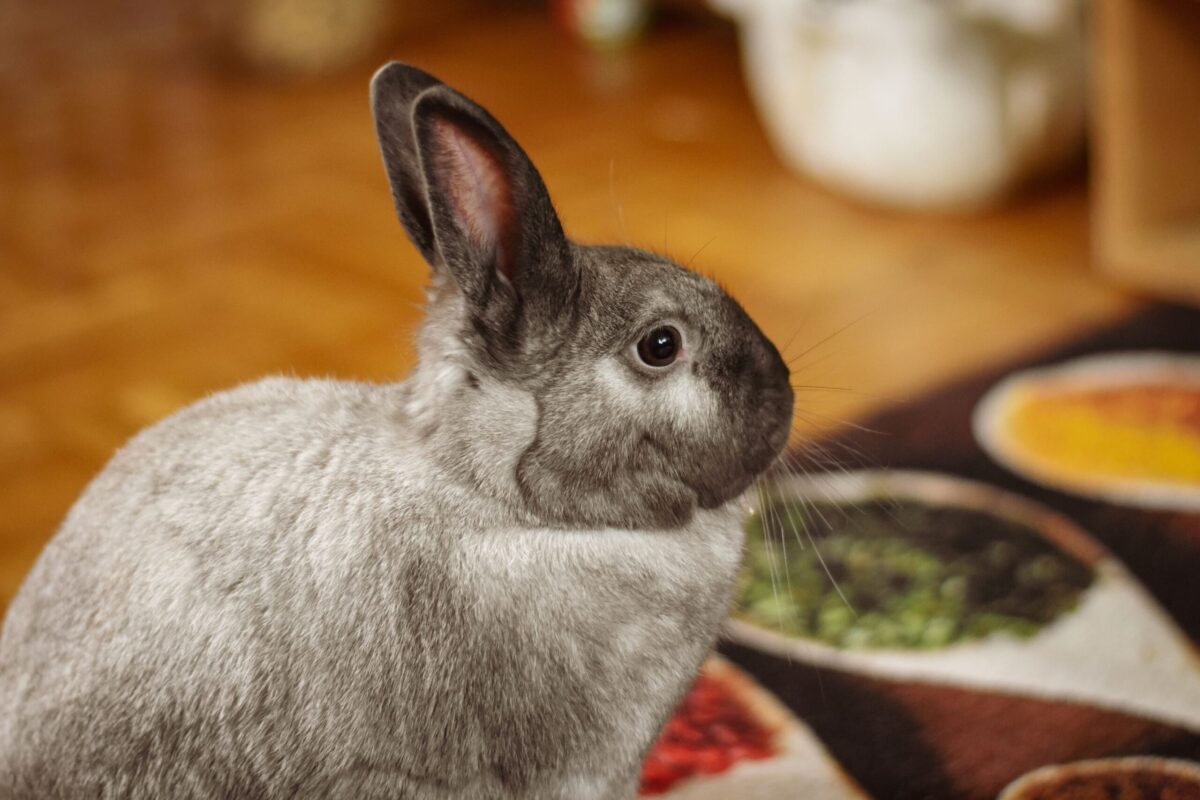
Rabbits carry scent glands under their chins. When a rabbit rubs its chin on something, it leaves a scent mark there. Humans cannot smell it, which is why chinning looks pointless to us, but other rabbits can, and that is the whole point. The mark says, in rabbit language, “this is mine, this belongs in my world.”
This is different from the scent-marking most people know about. It is not spraying, it is not droppings, and it is not the strong smell people associate with unneutered rabbits. Chinning is quiet, dry, and invisible to us — a gentle claim rather than a loud one.
What gets chinned, and why
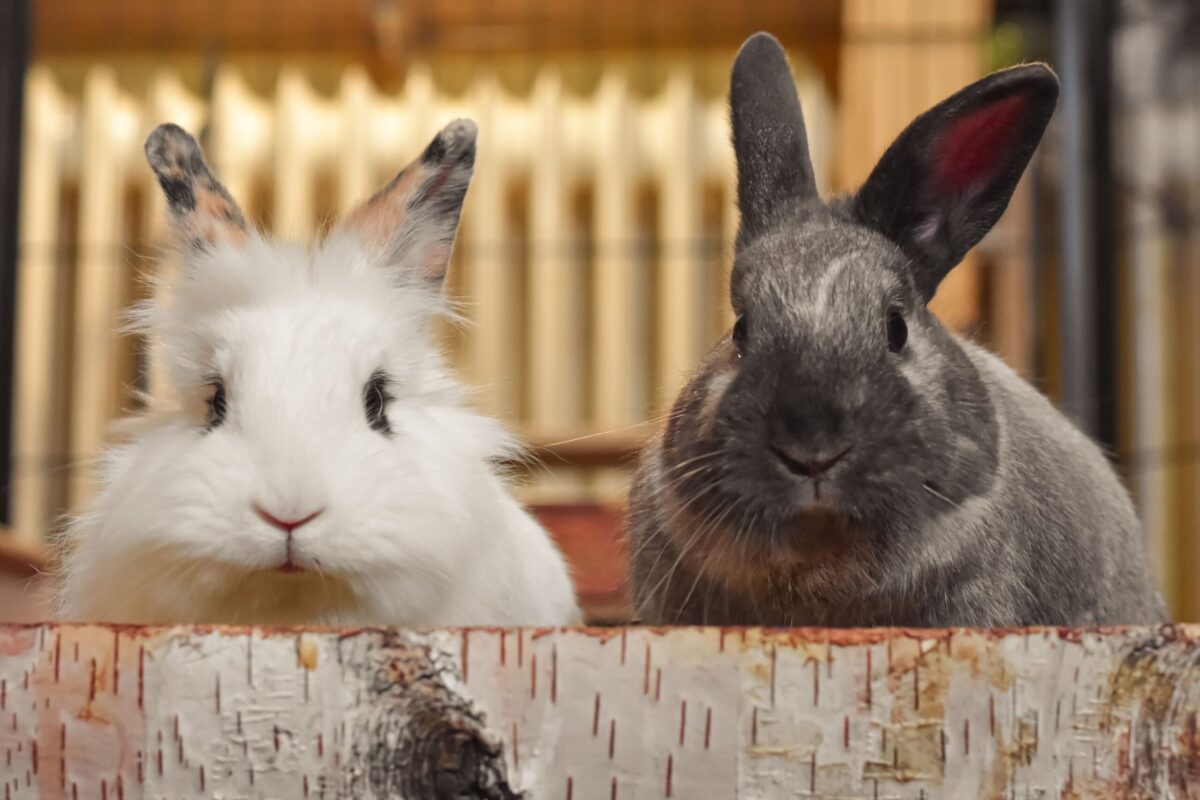
New things get chinned first. Put a new toy, a new tunnel, or a new piece of furniture in a rabbit’s space and the rabbit will usually chin it within minutes. The rabbit is updating its map: this new thing is now part of the territory, and it needs a label. The same happens after cleaning — a freshly washed blanket or a moved litter tray often gets chinned again, because the rabbit’s scent was washed away and needs replacing.
Familiar things get chinned too, just less often. A rabbit will re-chin its favourite spots, its toys, and its hiding places as part of its daily routine, the way a person might straighten pictures on a wall. And rabbits chin each other, and their owners. A rabbit that chins your hand, your foot, or your shoe is not being rude. It is claiming you, affectionately, as part of its group.
Chinning and confidence
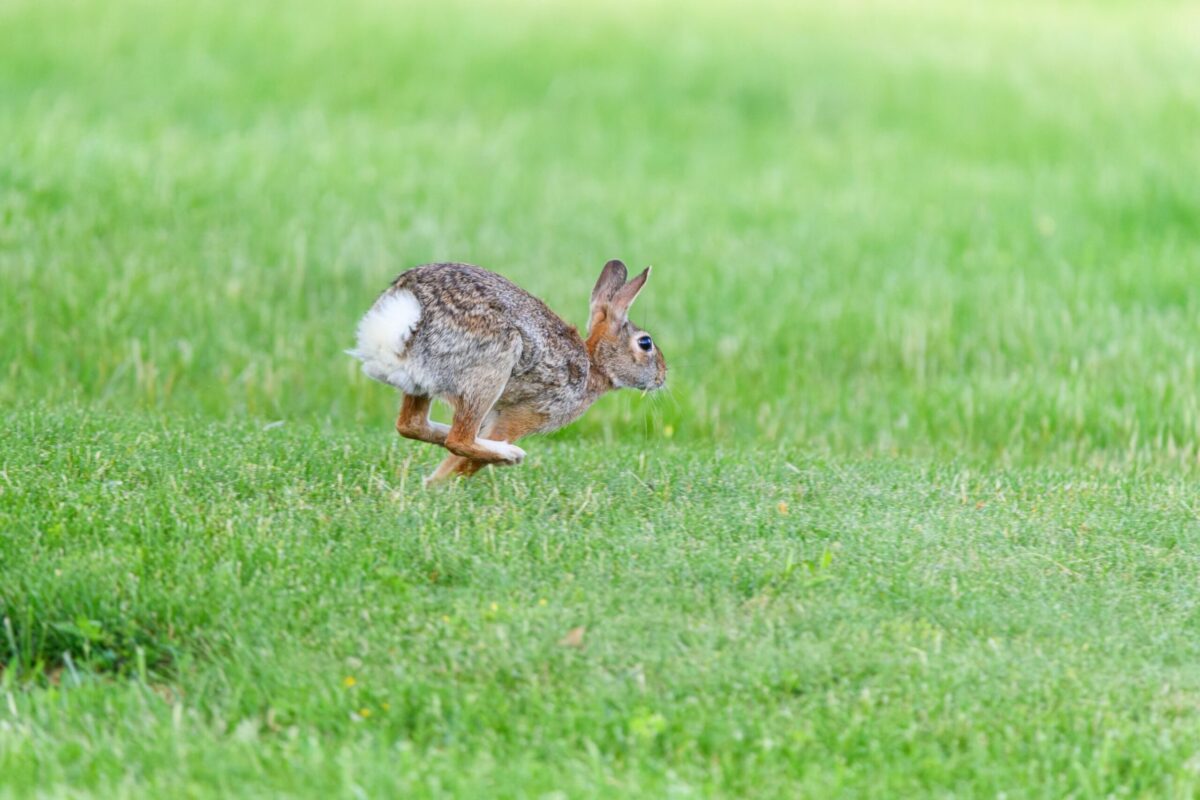
How much a rabbit chins tells you something about how it feels. A confident, settled rabbit chins freely as it explores. A nervous rabbit in a new home may chin very little at first, then start chinning more as it settles — which makes chinning a quiet sign that your rabbit is getting comfortable. A rabbit that suddenly starts chinning far more than usual, especially after a change in the home, may be re-marking a territory that feels different, such as after a new pet arrives or furniture moves.
None of this is a problem to fix. Chinning does not damage anything, it does not smell to humans, and trying to stop it would only confuse the rabbit. The right response to chinning is to let it happen and take it as a compliment: your rabbit considers your home, and you, worth claiming.
Chinning versus other marking

It helps to keep chinning separate from the other ways rabbits mark. Spraying is a different behaviour, usually linked to hormones, and it involves urine and a strong smell. Droppings scattered around a territory are another form of marking, common in new or shared spaces. Chinning is the calmest of the three — no mess, no smell, no hormones required. A rabbit that chins a lot is not a rabbit with a marking problem. It is a rabbit doing one of the most normal rabbit things there is.
Frequently Asked Questions
Why does my rabbit rub its chin on everything?
It is scent-marking. Rabbits have scent glands under their chins, and rubbing leaves a mark other rabbits can smell. It claims the object as part of the rabbit’s territory.
Is chinning a sign my rabbit likes me?
In a way, yes. A rabbit that chins your hand or foot is marking you as part of its group. It is a calm, affiliative behaviour, not aggression.
Why does my rabbit chin new things first?
New objects have no scent label yet. The rabbit marks them to add them to its map of its territory. The same happens after cleaning washes scent away.
My rabbit never chins. Is something wrong?
Not necessarily. Some rabbits chin less than others, and a new or nervous rabbit may take time to start. If your rabbit is eating, moving, and behaving normally otherwise, low chinning on its own is not a worry.
Is chinning the same as spraying?
No. Chinning is dry, scentless to humans, and leaves no mess. Spraying involves urine and a strong smell and is usually linked to hormones. They are different behaviours.
Related reading
- Rabbit Body Language Guide
- Rabbit Bonding Guide
- Why Do Rabbits Binky? Joy, Zoomies and What It Means
- Why Do Rabbits Thump? Warnings, Joy and Foot Drumming
Sources
- Rabbit Welfare Association and Fund, rabbit behaviour guidance
- RSPCA, rabbit body language and scent-marking
- PetMD, rabbit behaviour explained
- VCA Animal Hospitals, rabbit behaviour basics