

Every dog owner meets this moment sooner or later: you turn around in the garden and your dog is eating poop — its own, another dog’s, or something it found on a walk. It is revolting, it feels wrong, and the first instinct is to assume something is seriously wrong with your dog. Usually, it is not. Dogs eating poop, which vets call coprophagia, is one of the most common dog behaviours, and it has several ordinary explanations.
That does not mean you should ignore it. It means you should understand which kind of poop-eating you are dealing with before deciding what to do about it.
Puppies and mothers: where it starts
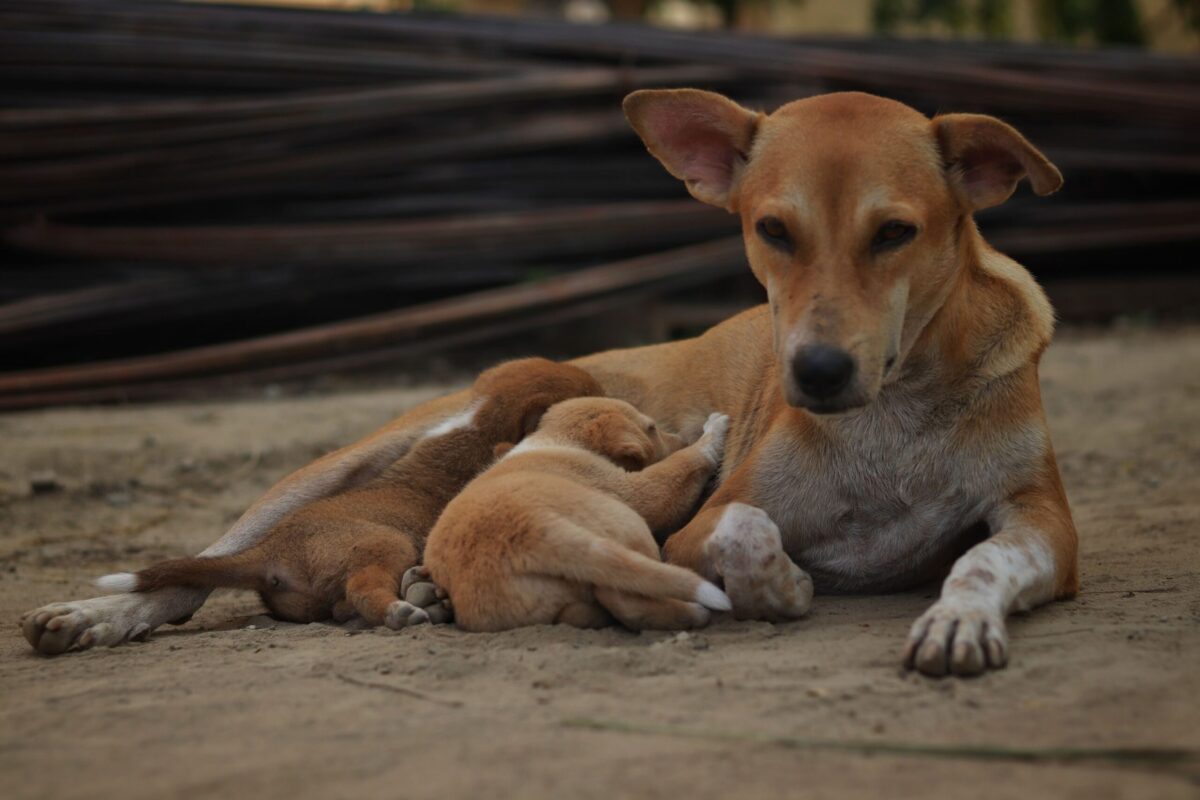
Puppies are the most enthusiastic poop-eaters, and for the most natural reason in the world. Mother dogs lick and eat their puppies’ droppings for the first weeks of life to keep the nest clean and to protect the puppies from scent that could attract predators. Puppies copy their mother, and they also explore the world with their mouths — everything goes in, including poop. Most puppies grow out of it as they mature, especially once they are eating proper meals and have better things to do.
If your puppy does it, stay calm. Shouting and chasing usually makes it worse, because the puppy learns that poop gets a big reaction, which makes poop interesting. Quietly cleaning up and redirecting the puppy to a toy works better than drama.
Taste and smell: the reason humans struggle with
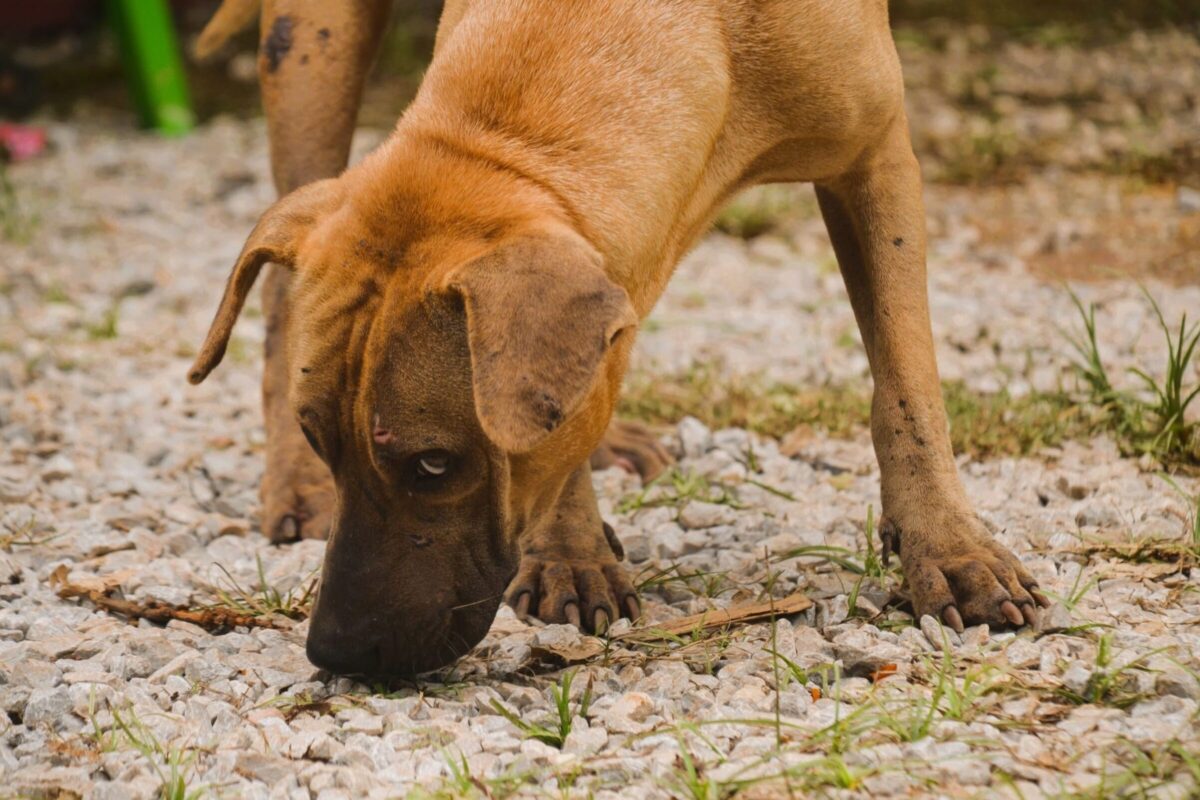
Here is the uncomfortable truth: to a dog, poop smells like food. Dog food is rich, and some of it passes through only partly digested, so droppings still carry a food scent. Cat litter trays are the worst version of this — cat food is high in protein, and cat droppings smell like a meal to many dogs. This is also why dogs are drawn to the droppings of other animals on walks, from horse manure to rabbit pellets. It is not a sign of hunger in a well-fed dog. It is a nose doing what noses do.
Boredom, attention, and habit
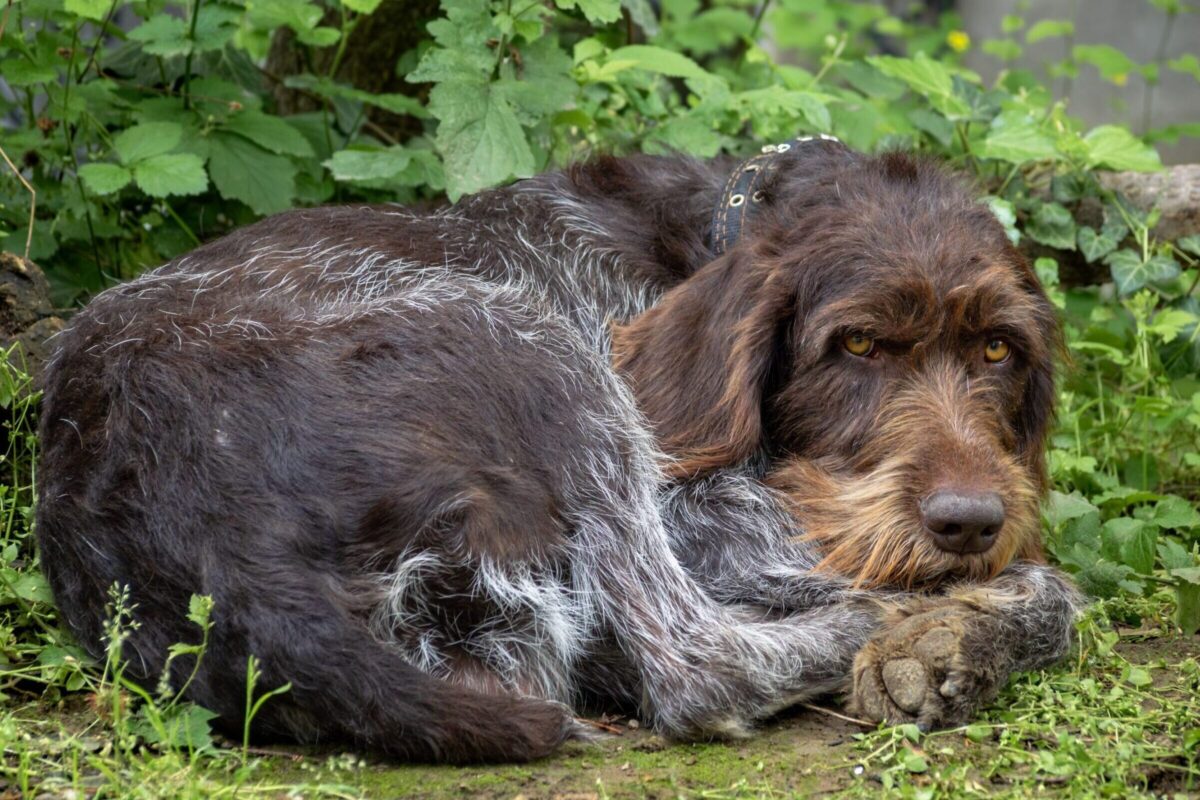
A dog left alone in a garden with nothing to do will invent jobs, and poop-eating is one of them. Boredom, loneliness, and lack of exercise all push dogs toward repetitive habits, and once poop-eating becomes a habit, it continues even when the original cause is gone. Attention plays a part too: a dog that gets chased, shouted at, or fussed over every time it eats poop has learned that poop is the fastest way to get its owner involved.
The pattern to watch is the context. A dog that only does it on walks, or only in the garden, or only when left alone, is telling you something about that situation — and changing the situation often changes the habit.
What actually helps

The single most effective step is also the least exciting: clean up promptly. A garden with no poop in it gives the dog nothing to eat, and a walk on a short lead past other dogs’ mess removes the opportunity. It is not glamorous, but it beats every gadget.
Next, teach a solid “leave it” and reward the dog generously for turning away from something on the ground. Training works better than scolding, because scolding after the fact teaches the dog to eat poop secretly, not to stop. More exercise, more play, and food puzzles all help too, because a tired, busy dog is less likely to invent gross hobbies.
Products sold to make poop taste bad exist, and some owners report they help. They are not a substitute for clean-up and training, and results vary a lot from dog to dog. If you try one, treat it as an experiment, not a solution.
When to mention it to your vet

Most poop-eating is behavioural and harmless beyond the disgust factor, but there are times to bring it up with your vet. If an adult dog suddenly starts eating poop when it never did before, especially alongside other changes — weight loss, diarrhoea, a bigger appetite, or a duller coat — mention it at your next visit. Those combinations can be worth checking, and your vet can tell you whether anything needs a closer look. What this post cannot do is diagnose your dog; only a vet who sees the dog can do that.
Frequently Asked Questions
Is it normal for dogs to eat poop?
Yes, it is very common, especially in puppies and in dogs that find other animals’ droppings on walks. It is disgusting to us, but it is not unusual behaviour for a dog.
Will my puppy grow out of it?
Most puppies do, as they mature and as owners clean up promptly and redirect them. Puppies copy their mother and explore with their mouths, and both of those fade with age.
Why does my dog eat cat poop from the litter tray?
Cat droppings smell like food to dogs because cat food is high in protein. Keep the litter tray behind a baby gate or in a spot the dog cannot reach.
Should I punish my dog for eating poop?
No. Scolding usually teaches the dog to do it secretly rather than stop. Clean up promptly, teach “leave it,” and reward turning away instead.
When should I ask my vet about it?
If an adult dog suddenly starts when it never did before, especially with weight loss, diarrhoea, a bigger appetite, or a duller coat. Mention it at your next visit and let your vet decide whether it needs a closer look.
Related reading
- Why Do Dogs Eat Grass? When It’s Normal and When to Worry
- Bringing Home a Puppy: The Complete First-Week Guide
- Why Do Dogs Dig? Instinct, Boredom, and How to Redirect It
- Dog Body Language: How to Read What Your Dog Is Feeling
Sources
- American Kennel Club, why dogs eat poop
- PetMD, coprophagia in dogs
- VCA Animal Hospitals, coprophagia and behaviour
- RSPCA, dog behaviour guidance