

A good dog lead under $30 is easy to find once you know what matters: the right length for your dog, a clip that won’t fail, a material that survives rain and chewing, and a comfortable handle. You don’t need to spend more — the budget buys a lead that lasts years, as long as you pick the right type and skip the gimmicks.
A lead is the most-used piece of dog equipment most owners own, and the most taken for granted. It’s also the one where spending more rarely buys anything better. A well-made lead under $30 does exactly what an expensive one does: it keeps your dog connected to you, comfortably, safely, and without falling apart at the worst moment. The difference between a good budget lead and a bad one isn’t the price — it’s the details.
This guide covers the types worth looking at under $30, what the budget buys in each type, how to pick the right length and material for your dog, the hardware that matters, what to skip, and how to look after a lead so it lasts. No specific product is named with an invented price, and nothing here is a recommendation for a particular brand — just the types and features worth your money.
What the budget buys
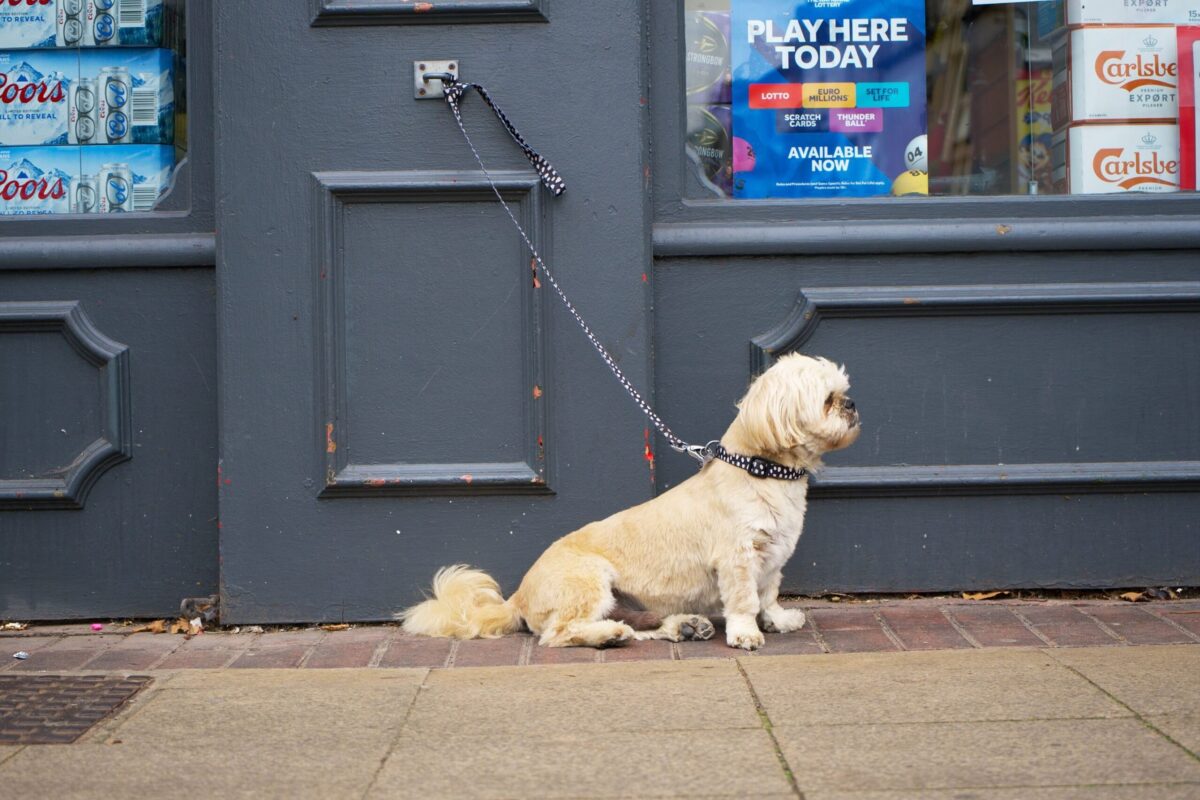
Under $30 buys a lot of lead. At this price you can expect solid nylon or rope, a metal clip that works smoothly, stitched or riveted joins rather than glued ones, and a handle that doesn’t cut into your hand. What you won’t get — and don’t need — is leather, designer branding, or exotic materials. Those are luxuries, not necessities, and they don’t make a walk any safer.
The important thing to understand is that a lead is a simple tool. It has four parts: the handle, the material, the clip, and the joins. If all four are sound, the lead is sound. The price tag tells you very little about whether they’re sound — a cheap lead with a good clip and strong stitching is safer than an expensive lead with a weak clip and a pretty handle.
The other thing the budget buys is choice. Because leads are inexpensive to make well, you can afford to own two or three: a short lead for busy streets, a longer one for parks and training, and a spare in the car. That’s a better setup than one expensive lead used for everything, and it still costs less than most single premium leads.
The types worth looking at
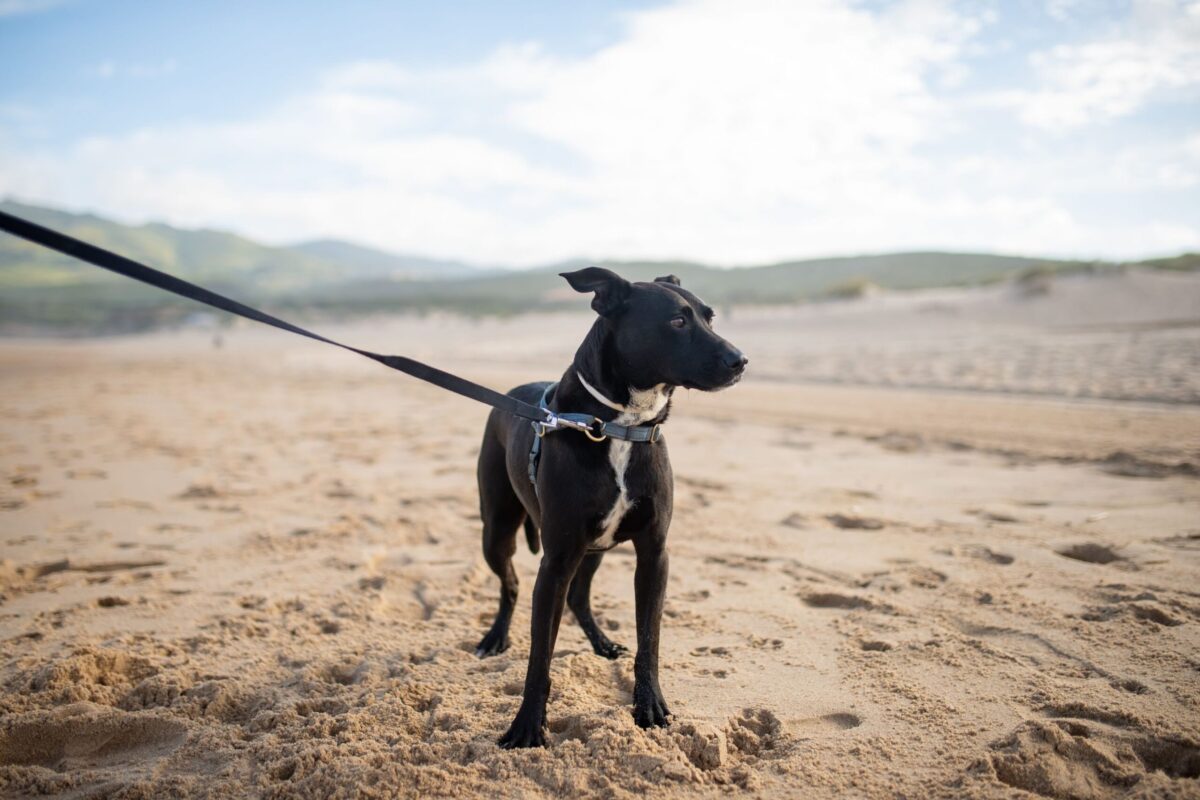
Standard flat leads. A flat nylon or webbing lead, about an inch wide, with a loop handle at one end and a clip at the other. This is the default lead for a reason: it’s simple, strong, easy to hold, and it works for almost every dog. Under $30, a flat lead is the best value on the shelf. Look for tight, even stitching at the handle and the clip, and a clip that opens and closes smoothly without sticking. For most dogs, this is the only lead you need.
Rope leads. A round rope lead, usually with a padded or leather-wrapped handle, is comfortable to hold for long walks and strong enough for big dogs. Rope leads are a good choice if you walk a strong puller, because the round shape is easier on your hands than flat webbing when the dog lunges. Check that the rope is properly whipped or sealed at the ends, and that the clip is sized to the rope — a small clip on a thick rope is a weak point.
Long lines. A long line — ten, fifteen, or thirty feet of webbing or rope — isn’t a walking lead. It’s a training tool, and it’s the best money you can spend if you’re working on recall. It lets your dog roam and sniff while you still have control, and it’s far safer than letting a dog off the lead before his recall is reliable — a long line is how trainers teach recall, stage by stage. Under $30 buys a good one easily. Choose a light webbing line for small dogs and a heavier rope line for large ones, and never tie a long line to yourself — hold it, or let it trail with a knot in the end you can step on.
Hands-free leads. A lead that clips around your waist, with a bungee section to absorb pulling, suits runners and people who need their hands free. Under $30, these are available and work well, but they have a catch: if your dog pulls hard and suddenly, the force goes straight to your waist, and that’s harder to control than a lead in your hand. They’re best for dogs who already walk reasonably well, not for dogs who are still learning. If your dog pulls, start with a standard lead and work on the pulling first — our guide to leash training a dog that pulls covers the method step by step.
Slip leads. A slip lead — a loop of rope that tightens when the dog pulls — is popular with trainers and vets, because it’s quick to put on and there’s no clip to fail. But it tightens around the neck, which means it can choke a dog who pulls hard, and it should never be left on an unsupervised dog. Under $30 they’re widely available. If you use one, use it for short, controlled situations — the vet’s waiting room, a quick walk from car to park — not as an everyday lead for a strong puller.
Length: what works where
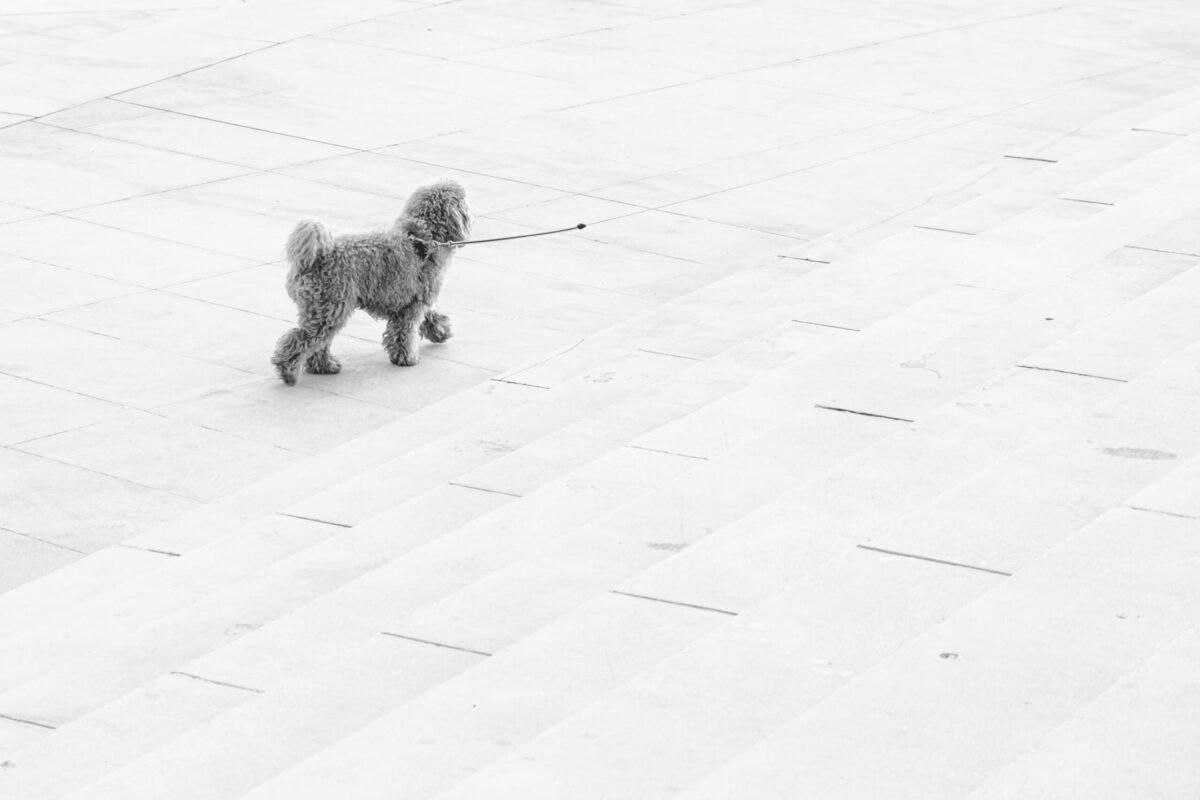
Length is the choice most owners get wrong, and it’s the one that matters most day to day.
Four to six feet is the standard walking length, and it’s right for most situations. It’s long enough for your dog to sniff and explore, and short enough that you can keep him close on a busy street, at a crossing, or past another dog. If you only buy one lead, buy this length.
Shorter leads — two to three feet — are for control: busy pavements, vet visits, crowded places, and training sessions where you need your dog close. They’re also useful for large dogs in towns, where a long lead means your dog is in the road while you’re on the pavement.
Longer leads — eight to ten feet — suit quiet parks, trails, and countryside walks where your dog needs room to sniff and wander but still needs to be attached. They tangle more, and they’re harder to manage around other dogs, so they’re a second lead, not a first one.
Long lines — fifteen feet and up — are for training and for safe off-lead practice, as above. They’re not walking leads.
The practical answer for most owners is two leads: a standard four-to-six-foot lead for everyday walks, and a long line for training and park time. Both fit comfortably under $30 each, and together they cover everything.
Materials: what survives and what doesn’t
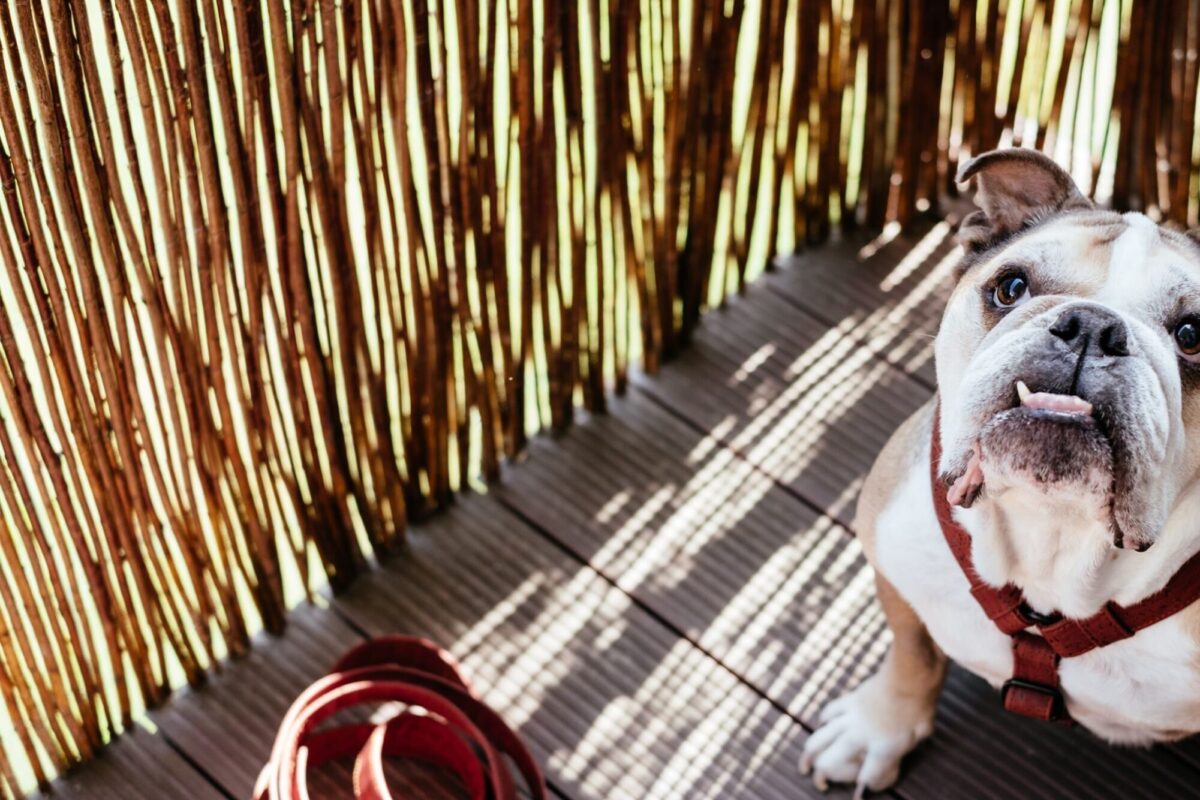
Nylon webbing. The most common lead material, and the best all-rounder under $30. It’s strong, light, dries quickly, comes in any colour, and survives being dragged through mud. Its weakness is that it can burn your hands if a strong dog lunges and the lead slides through your grip — the flat edge is the problem. A lead with a padded handle, or a rope lead, solves that.
Rope. Usually nylon or polypropylene rope, often with a padded handle. Rope leads are comfortable to hold, strong, and they don’t twist the way flat leads do. They’re the best choice for strong dogs and long walks. Their weakness is that they absorb water and get heavy when wet, and they take longer to dry.
Biothane and coated webbing. A coated webbing that feels like rubber, doesn’t absorb water, and wipes clean. It’s a good choice for dogs who swim, or for muddy walks, because it never gets soggy or smelly. Under $30, coated webbing leads are available in standard lengths, and they’re worth considering if your dog is a swimmer or a mud enthusiast.
Cotton and hemp. Comfortable and natural-feeling, but they absorb water, dry slowly, and aren’t as strong as nylon for the same thickness. They’re fine for small, gentle dogs. For a large or strong dog, they’re not the right choice.
Chain. A chain lead is strong and chew-proof, which is why some owners of heavy chewers use them. But they’re heavy, they rattle, they’re uncomfortable to hold, and they can injure a dog’s teeth if he grabs the chain. For almost every dog, a rope or webbing lead is a better answer — and if your dog chews his lead, the fix is training and supervision, not a chain.
The hardware that matters
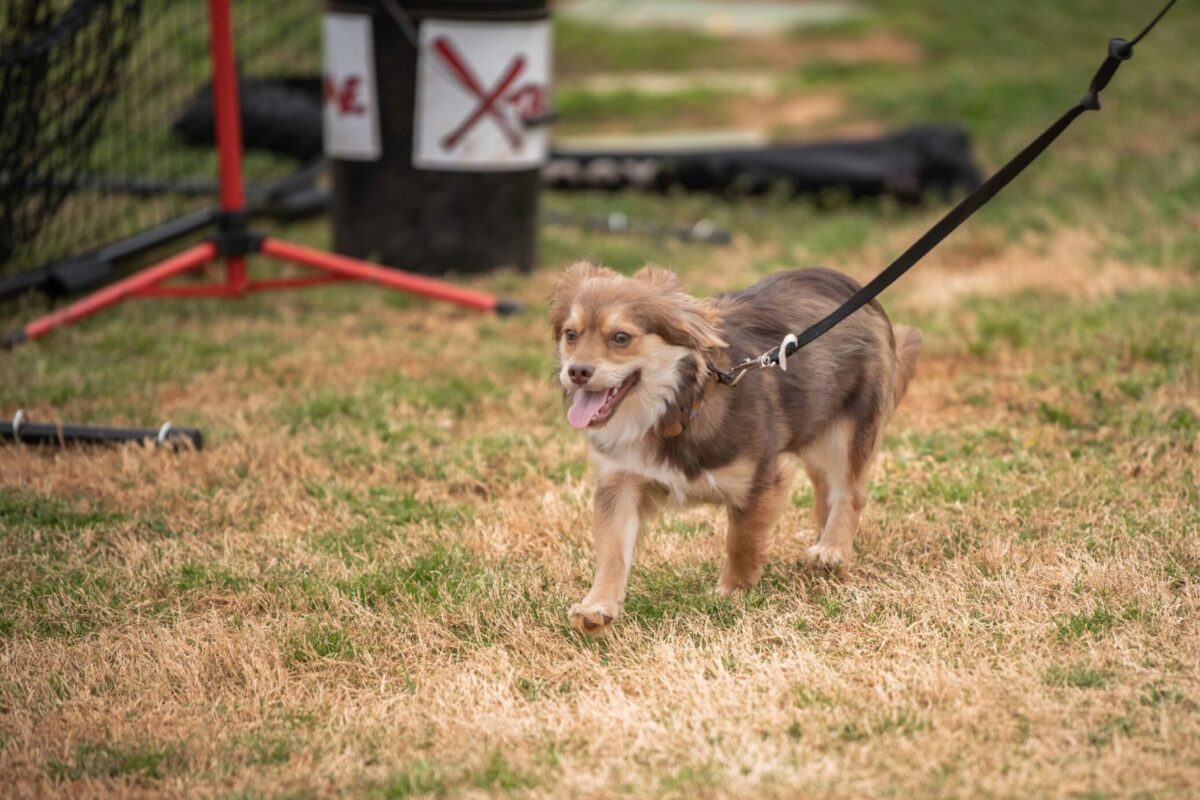
The clip is the single most important part of a lead, because it’s the part that fails. A lead is only as safe as its clip.
Bolt snaps are the most common clip: a small bolt that slides back to open the hook. They’re reliable, cheap, and easy to use one-handed. Look for a bolt snap that slides smoothly and springs back firmly. If it sticks, or feels loose, the clip is poor quality.
Trigger hooks (also called lobster clasps) open with a trigger you squeeze. They’re strong and they work well, but they can be harder to operate one-handed, especially with cold or wet hands.
Carabiners are strong and simple, but they can be slow to clip and unclip, and a cheap carabiner can work itself open. If you use a carabiner, check it regularly.
Whatever the clip type, it should be sized to your dog. A tiny clip on a large dog is a failure waiting to happen; a huge clip on a small dog is heavy and uncomfortable. The clip should be metal — brass, steel, or a good alloy — not plastic. Plastic clips have no place on a dog lead.
The joins matter too. Where the handle is stitched, and where the clip is attached, look for neat, tight stitching with no loose threads, or for a rivet. Glued joins, or stitching that looks thin and sparse, are a warning sign. Give the lead a good hard tug in the shop before you buy it — if anything moves or creaks, put it back.
What to skip
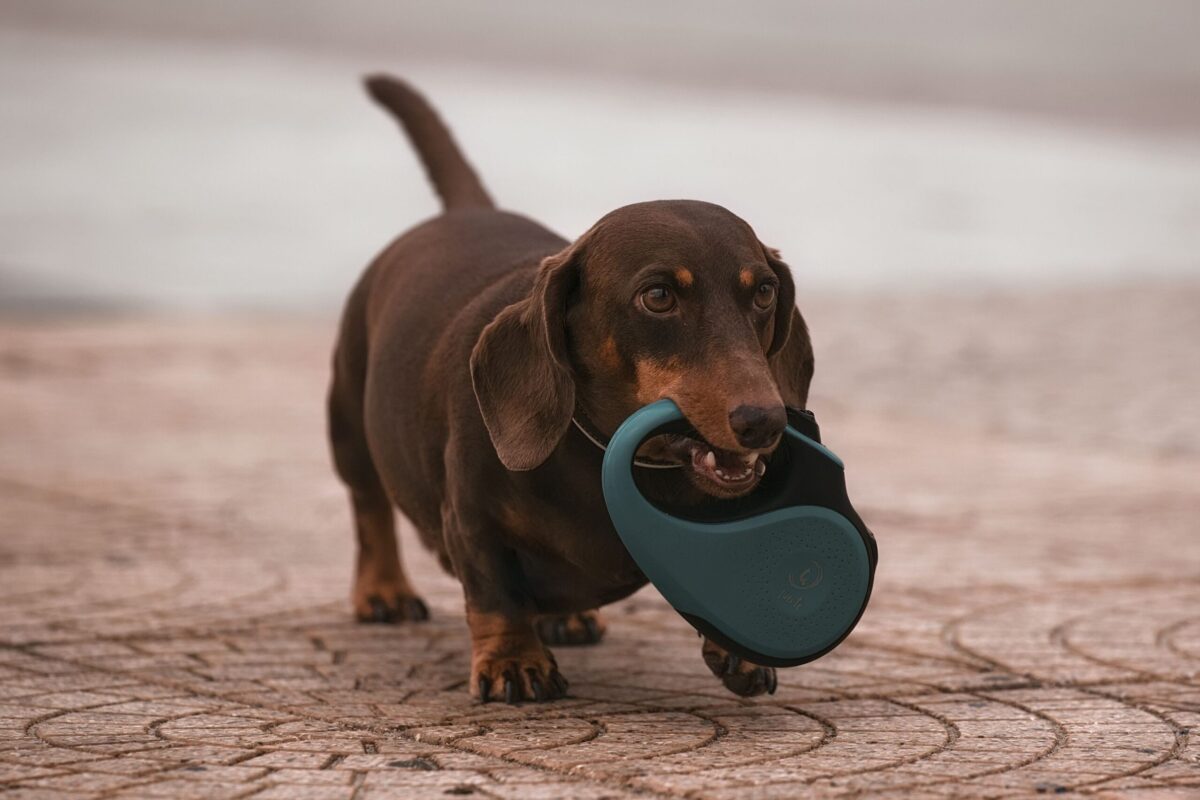
Retractable leads. The most popular lead type, and the one most trainers and vets would happily see disappear. A retractable lead gives your dog up to twenty feet of freedom on a thin cord, with no control, no feel, and a locking mechanism that can fail. The cord can wrap around legs — yours or your dog’s — and cause serious injuries. It teaches the dog to pull, because pulling is what makes the cord extend. And in an emergency, you can’t reel your dog in quickly. There are better ways to give a dog freedom: a long line, or a secure field. Skip the retractable lead, whatever the price.
Leads with built-in poo-bag dispensers, torches, and gadgets. They sound convenient. In practice, they make the handle bulky and awkward, the dispenser jams, and the torch dies. Buy a lead, and buy a poo-bag holder separately.
Leads that are too thin for your dog. A thin, pretty lead on a large dog is a risk. The lead should look right for the dog — if it looks flimsy next to him, it is flimsy.
Leads with no stitching you can see. If the joins are hidden under a glued cover, or the stitching is buried, you can’t check the quality. Buy a lead whose construction you can see.
Getting the fit right
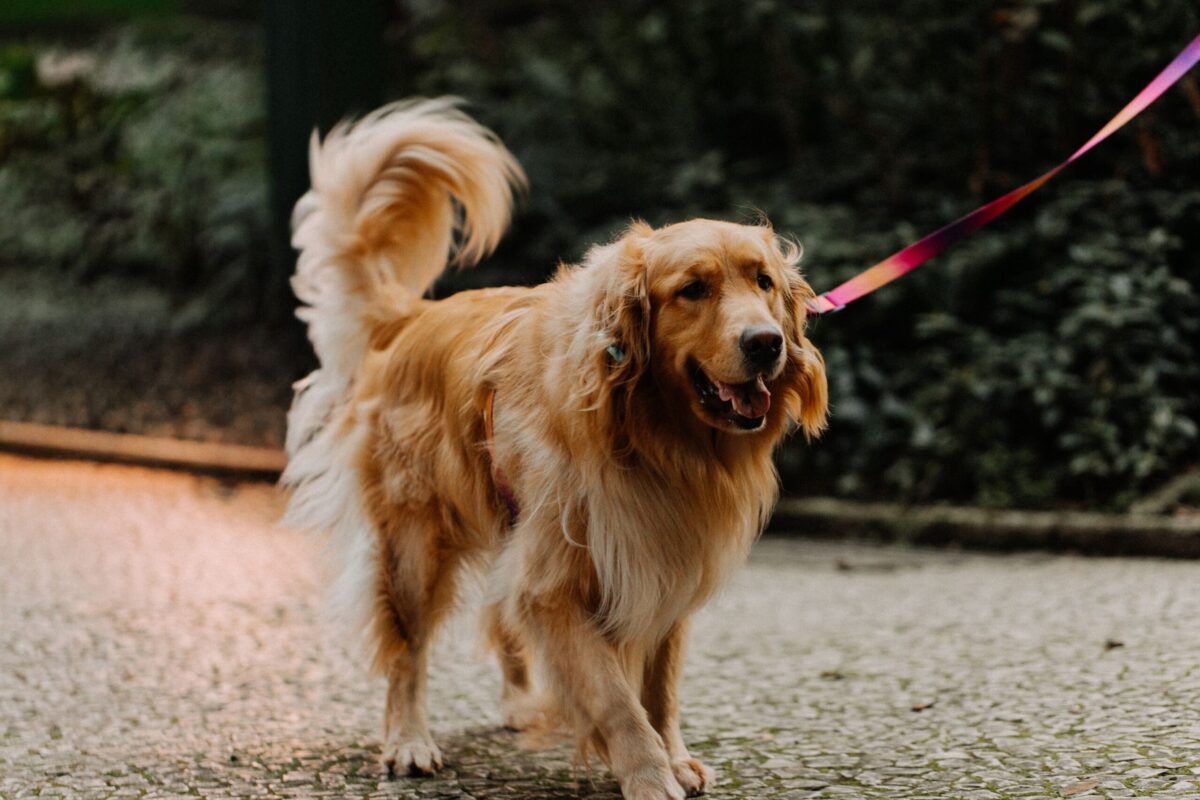
A lead doesn’t need fitting the way a collar or harness does, but a few checks help.
The clip should match the collar or harness ring. It should clip on easily and sit flat, not twist the ring sideways. If the clip is too big for the ring, it can catch and work itself open.
The handle should fit your hand. A handle that’s too small is uncomfortable on a long walk; a handle that’s too big is hard to grip quickly. Most standard handles suit most hands. If you have small hands, look for a narrower handle or a rope lead.
The lead should suit your dog’s strength. A small dog needs a light lead — a heavy lead drags on his neck and teaches him that walking is unpleasant. A large dog needs a lead that can hold him if he lunges — a light lead on a strong dog is a risk.
Check it regularly. A lead wears out gradually: the stitching frays, the clip gets sticky, the webbing thins where it rubs. Check the whole lead once a month — run it through your hands, tug the joins, work the clip. Replace it at the first sign of real wear, not when it breaks. A lead that fails on a walk is a dog in the road.
Caring for a lead so it lasts
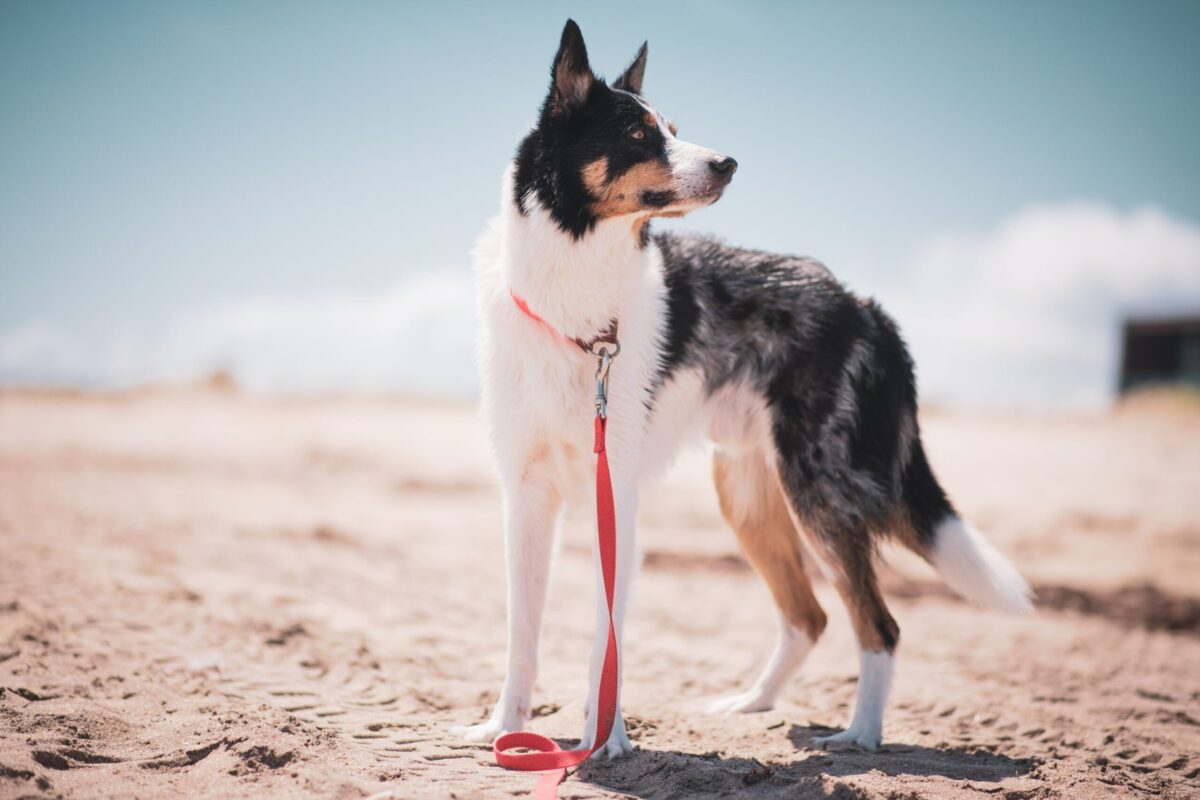
A good lead under $30 should last years, and looking after it is simple.
Wash it. Nylon and rope leads can go in a bucket of warm water with a little washing-up liquid, or in a mesh bag in the washing machine on a gentle cycle. Rinse well and hang it to dry. A clean lead is a lead whose stitching you can actually see.
Dry it properly. Never put a wet lead away in a drawer. Hang it up to dry, out of direct sunlight, which weakens nylon over time. A lead that lives wet and folded will smell, and its stitching will rot faster.
Store it hung up. A lead thrown in a heap tangles, and tangled leads get kinked and weakened at the bends. Hang it on a hook by the door, where you can grab it on the way out.
Keep a spare. A spare lead in the car costs very little and saves the day when the main lead is wet, forgotten, or broken. It’s the cheapest insurance in dog ownership.
Frequently Asked Questions
What is the best length for a dog lead?
Four to six feet for everyday walks — long enough for your dog to sniff and explore, short enough to keep him close on busy streets. Add a long line (fifteen feet or more) for training and park time. If you only buy one lead, buy the four-to-six-foot one.
Are retractable leads safe?
Most trainers and vets would say no. The thin cord can cause serious injuries if it wraps around a leg, the lock can fail, and the lead teaches the dog to pull. A long line gives your dog the same freedom far more safely. If you already own a retractable lead, consider replacing it with a standard lead and a long line.
How much should I spend on a dog lead?
Under $30 buys a good lead — solid nylon or rope, a metal clip, stitched joins, a comfortable handle. Spending more mostly buys leather, branding, or exotic materials, none of which makes a walk safer. What matters is the clip, the stitching, and the right length and material for your dog.
What type of lead is best for a dog that pulls?
A standard flat or rope lead in your hand, plus training. The lead itself doesn’t stop pulling — training does. A rope lead is easier on your hands than flat webbing when a strong dog lunges. Avoid retractable leads and slip leads for a strong puller. Our guide to leash training a dog that pulls covers the method that works.
How do I know if a lead clip is good quality?
It should be metal, sized to your dog, and it should open and close smoothly and spring back firmly. Give the lead a hard tug in the shop — if anything moves, creaks, or feels loose, put it back. Check the clip regularly at home, and replace the lead at the first sign of the clip sticking or the stitching fraying.
Can I use a long line as an everyday lead?
No — a long line is a training tool, not a walking lead. It tangles, it’s hard to manage around other dogs, and it gives your dog too much freedom on a busy street. Use a standard four-to-six-foot lead for walks, and the long line for training and for safe off-lead practice in open spaces.
What material is best for a dog lead?
Nylon webbing is the best all-rounder: strong, light, quick-drying, and inexpensive. Rope is best for strong dogs and long walks, because it’s comfortable to hold. Coated webbing (Biothane) is best for dogs who swim or get muddy, because it doesn’t absorb water. Avoid chain except for heavy chewers, and avoid cotton for large dogs.
How often should I replace my dog’s lead?
When it shows real wear — frayed stitching, a sticky clip, thinning webbing where it rubs, or any damage to the joins. Check the lead once a month by running it through your hands and tugging the joins. A well-cared-for lead under $30 should last years, but replace it at the first sign of wear, not when it breaks.
Should I buy a hands-free lead?
Only if your dog already walks well. A hands-free lead is convenient for runners, but if your dog pulls hard and suddenly, the force goes straight to your waist and is harder to control than a lead in your hand. Start with a standard lead, work on the pulling, and consider hands-free later.
Sources and further reading
- The Kennel Club — Choosing the right lead for your dog
- American Kennel Club — Dog leashes and leads guide
- Royal Society for the Prevention of Cruelty to Animals — Walking your dog