

A single vomit in a cat who stays bright, eats, drinks and behaves normally is usually something to watch at home, not an emergency. Call your vet promptly if your cat vomits more than twice in 24 hours, or shows blood in vomit, unproductive retching, weakness, or not eating or drinking.
Knowing cat vomiting when to worry comes down to pattern, not a single pile on the carpet: one vomit in a bright cat who then eats and behaves normally can often be watched at home, while repeated vomiting, blood, lethargy, not eating, or vomiting with diarrhoea needs a vet promptly. Kittens, seniors and cats with other illnesses have far less margin, so call sooner for them.
A cat being sick is unsettling, partly because cats hide illness well and partly because causes range from a hairball to a blocked gut. You do not need to guess a diagnosis at home. You need a sorting system: what can wait with watching, and what cannot wait at all.
This guide gives you that system, in vet-first order. For general daily care, our guide to cats, their behaviour and everyday care is worth reading alongside it.
At a Glance
- Call your vet if your cat vomits more than two times in 24 hours, or vomits repeatedly over weeks — PetMD uses both patterns as reasons to be seen.
- Blood in vomit, black or brown vomit, unproductive retching, weakness, not eating or drinking, or vomiting plus diarrhoea are red flags for prompt care.
- A single hairball or a single vomit after eating too fast, in a cat who is bright, eating and keeping water down, is often a watch-at-home event.
- Never pull string you can see at the mouth or back end, and never give human medicines unless your vet tells you to.
- Write down timing, frequency, what the vomit looked like, food changes and other signs. That log helps your vet more than a cleaned-up guess.
- Kittens, seniors and cats with diabetes, kidney disease or other conditions should be seen sooner, as they dehydrate quickly.
Contents
- Cat vomiting when to worry: the red flags first
- What counts as normal, or close to it
- Vomiting, regurgitation and coughing are not the same
- Serious causes your vet will consider
- What your vet will ask and do
- Home monitoring when your vet says to watch
- Cat vomiting when to worry in kittens and seniors
- Frequently Asked Questions
- Sources and Further Reading
Cat vomiting when to worry: the red flags first

Read this list before any other part of the article. If one item fits, stop reading and call your vet or an emergency clinic for advice.
Call promptly, the same day or sooner, if your cat:
- Vomits more than two times in 24 hours, or vomits two to three times in a row and cannot settle
- Has blood in the vomit, or vomit that is black or brown and foul-smelling
- Keeps retching but brings nothing up, or strains and heaves with no result
- Cannot keep food or water down, or shows signs of dehydration
- Is lethargic, weak, hiding, less responsive, or has pale gums
- Stops eating, especially for more than a day, or loses weight over time
- Has vomiting together with diarrhoea, increased thirst, or changes in urination
- Has a painful, tense or swollen belly, or cries when picked up
- May have swallowed string, ribbon, tinsel, a small toy, a hair tie or another object
- May have reached a poison, a plant known to be dangerous to cats, human medicine or cleaning chemical
- Is straining in the litter tray, especially a male cat who cannot pass urine — vets treat that as an emergency that can also cause vomiting
- Is a kitten, a senior, pregnant, or lives with kidney disease, diabetes, thyroid disease or a weakened immune system
Two of those points are worth spelling out: a cat who has vomited more than two times in 24 hours, or who has other signs such as lethargy, weight loss and reduced appetite, needs to be seen right away, and a cat vomiting once or twice a week for several weeks needs a workup. Blood in vomit is never normal, PetMD lists it as a reason for immediate examination.
Minutes matter with some poisons. Our guide to common things at home that can harm a cat without you realising helps you check likely culprits — but do not delay the call to do the reading. If you are unsure, call and describe what you have seen.
What counts as normal, or close to it

Some vomiting has mild, short-lived causes. Naming them helps, as long as the red-flag list above stays in charge.
Hairballs are the best known. Cats swallow loose fur as they groom; some collects in the stomach and is vomited as a damp, tube-shaped mass. PetMD notes cats may occasionally vomit hairballs, particularly long-haired cats or cats who overgroom. PDSA guidance agrees: occasional hairballs can be normal, while frequent hairballs, long retching with nothing produced, or hairballs with appetite loss need vet advice.
Eating too fast is another common pattern. A cat who gulps a meal may bring up largely undigested food within minutes and then act normal. PetMD notes passive bringing-up of undigested food may be regurgitation rather than vomiting.
A mild dietary upset can follow a sudden food change, a rich treat or scavenged food. A single episode, followed by normal appetite and energy, often settles. Repeated episodes belong in a vet visit.
Regular grooming lowers the hairball load, because fur removed by a comb is fur your cat does not swallow. Our guide to grooming a long-haired cat without stress sets out that daily routine.
Vomiting, regurgitation and coughing are not the same

Sorting this out at home helps your vet a lot, and a short phone video is often the clearest evidence you can bring.
Vomiting is active. PetMD describes it as a forceful process from the stomach or small intestine, usually with retching and abdominal contractions beforehand. The material is often partly digested, and may contain bile or foam.
Regurgitation is passive. Food comes up with little warning, no heaving, and often looks undigested. It tends to happen soon after eating. Causes and treatment differ, so the distinction matters.
Coughing can look similar. A coughing cat crouches low, extends the neck and makes repeated movements owners often mistake for a hairball attempt. Any cat with laboured or open-mouth breathing needs urgent care, not a hairball remedy.
Note what you saw: Was there heaving? How long after eating? What came up — food, hair, foam, yellow fluid, blood? A photo of the vomit is genuinely useful at the clinic.
Serious causes your vet will consider
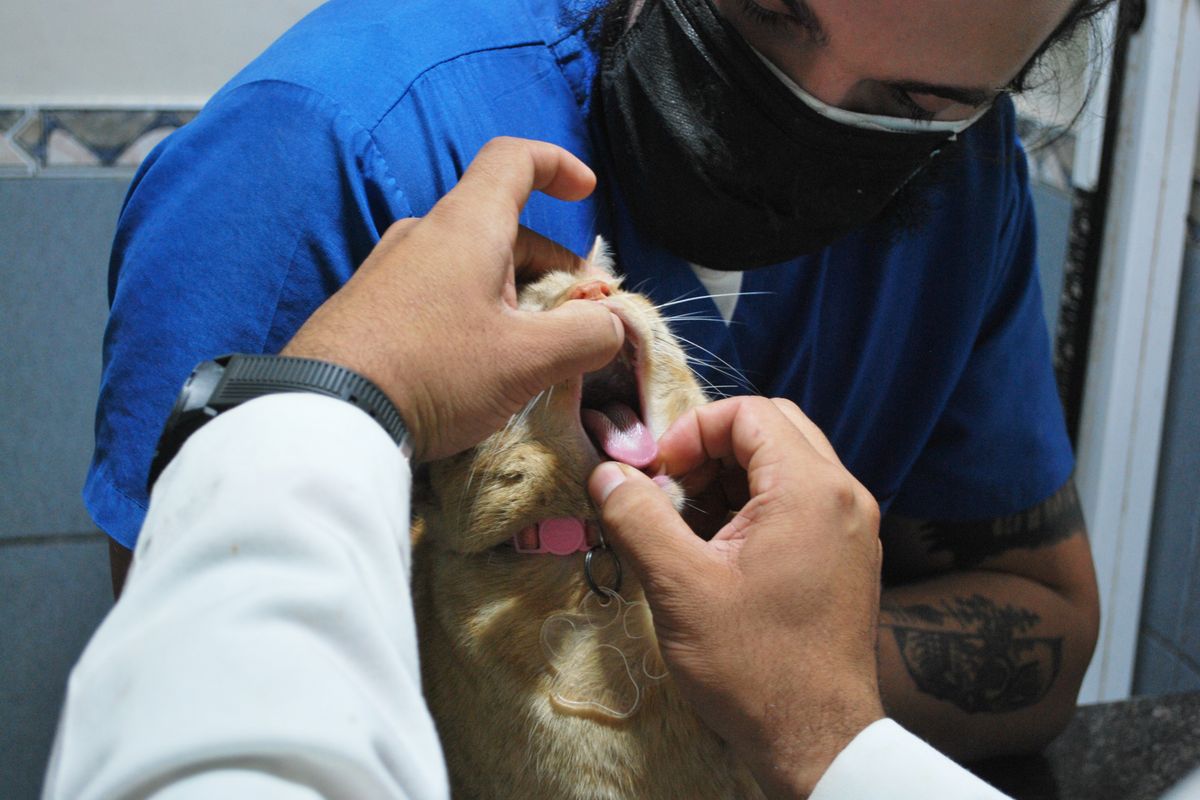
This section lists conditions vets consider when vomiting is repeated, chronic or paired with other signs. It is not a way to diagnose your cat at home, and no single sign points to one condition on its own.
The causes split into two groups: gut causes — parasites, foreign objects, infections, pancreatitis, inflammatory bowel disease — and causes elsewhere in the body: kidney disease, hyperthyroidism, liver disease, diabetes and cancer. That is PetMD’s grouping. Chronic vomiting, persisting for more than three weeks in PetMD’s summary, can be linked with any of these, plus hairballs and food intolerances.
Foreign bodies are time-sensitive. String, ribbon, thread and tinsel can anchor at one end while the gut keeps moving, which can bunch and injure the intestine. If you see string at the mouth or back end, do not pull it. Call your vet at once.
Poisons sit in the same urgent group. Some plants, notably true lilies, are extremely dangerous to cats, and some human medicines are toxic in small amounts. If you suspect exposure, call your vet with the plant or packet name to hand.
Parasites and infections are more likely in kittens, hunters and cats with outdoor access, which is why your vet will ask about lifestyle. Our comparison of indoor and outdoor life for cats, and the risks of each explains why that question changes the risk picture.
What your vet will ask and do

A good history speeds everything up. You can prepare answers before you go to the questions vets ask for a vomiting cat, which PetMD lists as:
- When did the vomiting start, and how often does it happen?
- What does the vomit look like, and how much comes up?
- Is your cat still eating and drinking normally?
- Are there other signs — diarrhoea, weight loss, increased thirst, sneezing, changed litter habits?
- Has the food, treats or routine changed recently?
- Has your cat started any medicines or supplements?
- Does your cat go outdoors, hunt, or live with other cats who are also unwell?
- Could your cat have chewed a plant, string, toy or medicine?
At the clinic, expect an examination checking hydration, gums, temperature, belly pain and weight. PetMD lists tests vets may use next: blood work, urine testing, faecal testing, X-rays and ultrasound. Not every cat needs every test.
Treatment follows the cause: supportive care, fluids, anti-nausea medicines, diet change, worming, or treatment for an underlying illness such as kidney or thyroid disease. Surgery enters the picture for some blockages. Do not give over-the-counter vomiting medicines unless your vet directs you to — PetMD states that plainly.
Home monitoring when your vet says to watch

Sometimes your vet will advise watching at home for a short period. That applies only when no red flags are present and your cat is bright, eating and keeping water down. Keep a log for 24 to 48 hours:
| What to note | Why it helps |
|---|---|
| Time of each vomit and relation to meals | Separates eating-too-fast patterns from empty-stomach or unrelated vomiting |
| What came up: food, hair, foam, bile, blood | Gives your vet clues, though appearance alone cannot diagnose |
| Appetite and water intake | A drop in either changes the urgency fast |
| Energy, hiding and responsiveness | Lethargy is a red flag even if vomiting stops |
| Litter tray: urine, stools, diarrhoea, straining | Gut and urinary signs often travel together |
| Any new food, plant, toy or medicine access | Often the missing piece in the history |
Leave water available at all times. Ask your vet when to offer food again, rather than following a generic fasting rule — cats should not go without food for long. Offer small, plain meals only if your vet advises it, and call if vomiting returns or your cat cannot keep water down. Keep string, ribbon, hair ties and small toys out of reach as a standing habit.
Cat vomiting when to worry in kittens and seniors

Age changes the threshold, and this is where owners most often wait too long.
Kittens have tiny fluid reserves. Repeated vomiting can dehydrate a kitten within hours, and parasites, infections and swallowed objects are common causes at that age. A kitten who vomits more than once, skips meals or has diarrhoea needs prompt vet advice.
Seniors sit at the other end of the same rule. Kidney disease, hyperthyroidism, diabetes and dental pain become more common with age, and vomiting may be the first sign an owner notices. A new pattern in an older cat — even once a week — deserves a workup.
Cats with chronic conditions belong in the sooner group too. PetMD advises immediate care for cats with diabetes, kidney disease or hyperthyroidism who vomit repeatedly, as they dehydrate quickly.
Frequently Asked Questions
My cat vomited once and seems fine. Should I call the vet?
Often you can watch at home if it was a single episode, your cat is bright, and they return to eating, drinking and behaving normally. PetMD takes the same line. Call if it happens again, appetite drops, or any red flag appears.
How many times is too many times for cat vomiting?
PetMD uses more than two times in 24 hours as a line for being seen right away, and once or twice a week for several weeks as a reason for a workup. Blood, lethargy, not eating, unproductive retching or suspected poison move the timing to now, whatever the count.
Are hairballs normal, and how often is too often?
An occasional hairball, especially in a long-haired cat, can be normal. Frequent hairballs, retching that produces nothing, appetite loss or lethargy alongside hairballs are reasons to contact your vet, as PDSA guidance and PetMD both note.
What should I do if my cat has swallowed string?
Do not pull any string you can see at the mouth or back end, as pulling can injure the gut. Stop your cat reaching more of it and call your vet or an emergency clinic at once, even if your cat seems well.
Can I give my cat human medicine for vomiting?
No. PetMD advises not to give over-the-counter vomiting medicines unless your veterinarian directs you to. Some human medicines are toxic to cats. Call your vet for a cat-safe plan instead.
Should I withhold food after my cat vomits?
Ask your vet rather than applying a blanket rule. Water should stay available, and cats should not go without food for long — especially kittens, seniors and overweight cats. If your cat cannot keep water down or refuses food for around a day, that is a vet visit.
Why does my cat vomit after eating too fast?
Eating too fast is a common cause of a one-off vomit: the stomach fills before the cat feels full, and the meal comes back up largely undigested. Smaller, more frequent meals often help, and a slow feeder can slow a gulper down. If fast-eating vomits keep happening, or come with appetite loss or weight loss, ask your vet.
What is the difference between vomiting and regurgitation?
Vomiting takes effort: abdominal heaving, retching and partially digested food, often with bile. Regurgitation is passive: food comes back up soon after eating, with little effort, usually undigested and tube-shaped. Coughing is different again. The distinction matters because vets treat the causes differently, so note what you saw before you call.
Do kittens and senior cats need faster vet care for vomiting?
Yes. Kittens dehydrate faster than adults, and seniors may carry kidney, thyroid or other conditions that make vomiting riskier. An overweight cat that stops eating is also urgent, because going without food can damage the liver. For these cats, call your vet sooner rather than watching and waiting.
Sources and Further Reading
- PetMD — Cat Vomiting: Causes, Types, and What to Do — https://www.PetMD.com/cat/symptoms/cat-vomiting-causes-and-types
- PetMD — Chronic Vomiting in Cats — https://www.petmd.com/cat/conditions/digestive/chronic-vomiting-cats
- PetMD — Why Is My Cat Vomiting Blood? — https://www.petmd.com/cat/symptoms/why-my-cat-vomiting-blood
- PDSA via BBC Countryfile — Hairballs in cats — https://www.countryfile.com/animals/pets/hairballs-in-cats
This article is educational and is not a substitute for veterinary advice. If your cat is vomiting repeatedly, has blood in the vomit, cannot keep water down, is lethargic or not eating, or may have swallowed an object or poison, contact your vet or an emergency clinic promptly.
About the author
Furrology Team — pet owner and researcher behind Furrology. We read the veterinary research and draw on real owner experience, then turn it into plain-English guides about dogs, cats, birds and small pets. We are not vets — Furrology is researched information, not veterinary advice, and a poorly pet always needs a real vet. More about how we work: About Us · Editorial Policy