You love your cat. That’s not even a question. But what if some of the most ordinary, well-intentioned things you do every single day are actually causing them real harm? Not dramatic harm — no one’s talking about neglect or cruelty. Just quiet, invisible damage that builds up over time, in a creature who can’t tell you what’s wrong. If you’ve ever wondered why your cat hides more, flinches unexpectedly, or seems distant, this post might explain everything.
Yelling at Your Cat Does More Damage Than You Think
It happens to every cat owner. Something gets knocked off the counter — your favorite mug, a glass of water, your phone — and your voice goes sharp before you even think about it. It feels like a natural reaction. In that moment, it even feels justified.
But here’s what’s actually happening on the other side of that outburst.
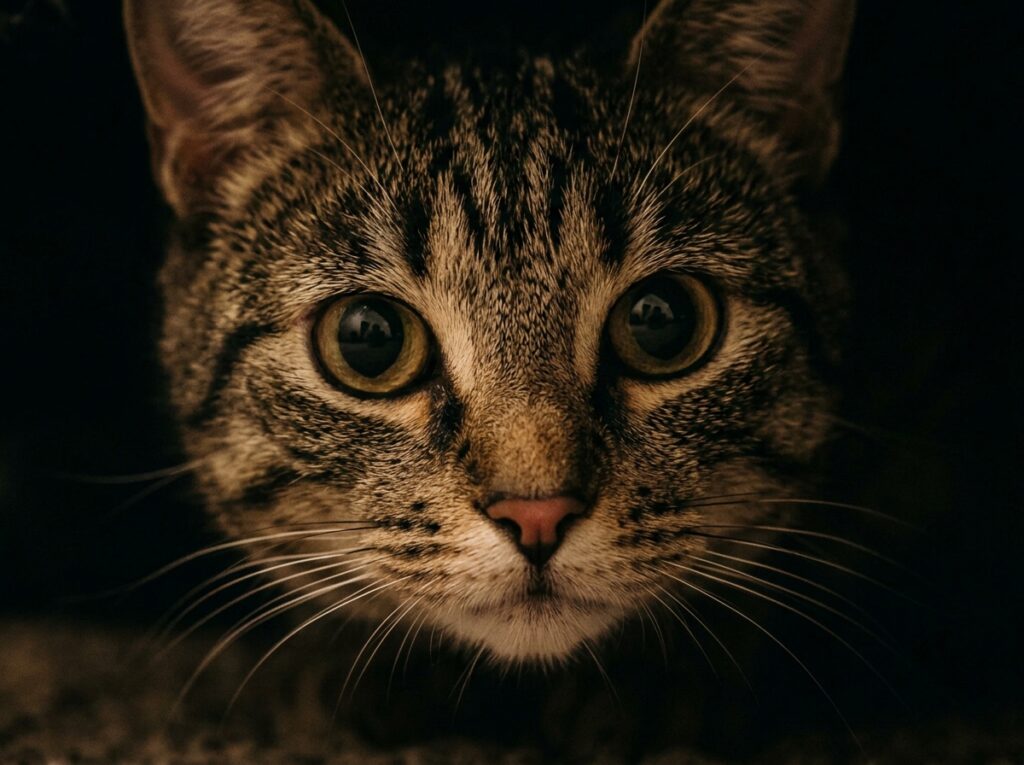
Your cat isn’t processing a lesson. They’re not connecting your raised voice to the thing they knocked over. What they’re registering, deep in their nervous system, is a threat — and that threat has your face on it.
A 2021 study published in the journal Animal Cognition found that cats exposed to raised voices developed long-term stress responses and avoidance behavior. This isn’t a temporary mood shift. Over time, repeated yelling rewires how your cat sees you — not as a safe person, but as an unpredictable source of fear. You’ll notice it gradually. They hide a little more. They flinch when you walk past. They stop meeting you at the door. Most owners chalk it up to personality. But it isn’t personality — it’s memory. And it’s memory of you.
Picking Them Up Without Permission Is Stressing Them Out
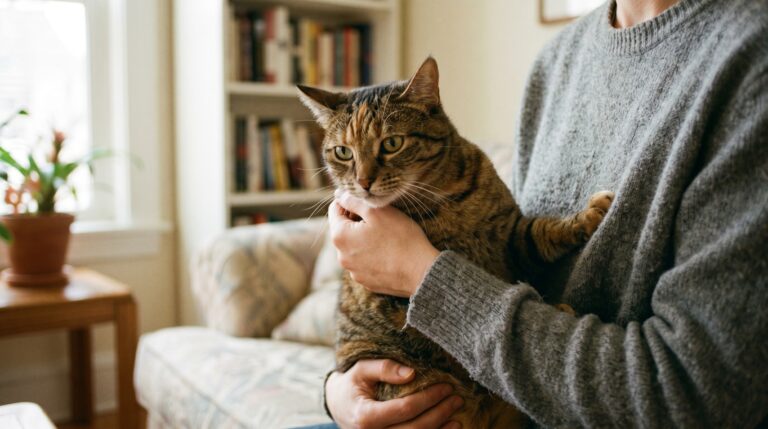
This one is hard to hear, because it comes from such a genuine place of love. Your cat looks absolutely perfect sitting in that patch of afternoon sunlight, and you just want to scoop them up and hold them close. Who wouldn’t?
But for a cat, leaving the ground without choosing to do so triggers something ancient and instinctual.
In the wild, a cat only gets lifted off the ground by one thing — a predator. Their body doesn’t stop to consider that you’re the one doing the lifting. Cortisol, the stress hormone tied to fear and survival, rises in cats who are frequently picked up without invitation. Their body enters a quiet state of alarm, even while their face stays completely still.
They go limp. They tolerate it. They don’t scratch. And so we assume everything is fine. But tolerance is not the same thing as love. Silence is not the same thing as consent. Letting your cat come to you on their own terms — and then rewarding that choice with gentle affection — builds a bond that’s genuinely mutual. The difference in how your cat engages with you over time is remarkable.
The Litter Box Location Is Causing More Problems Than You Realize
Here’s something most cat owners never connect: that inconvenient litter box situation you’ve been dealing with? There’s a very good chance the location of the box is the root cause.
We tend to place litter boxes wherever they’re least disruptive to us — in basements, tucked behind doors, in the back corner of a laundry room. It makes sense from a human perspective. Out of sight, out of mind.
But your cat has to go there every single day and be completely vulnerable while they do. They can’t see what’s approaching. They can’t run easily if something startles them. For an animal whose survival instincts are still very much intact, that’s not just inconvenient — it’s genuinely frightening.
Research has identified litter box placement as one of the leading causes of feline elimination problems. When cats start going outside the box, they’re rarely being difficult or spiteful. They’re scared. Moving the box to an open, low-traffic area with clear sightlines can resolve months of frustration almost overnight.
Dry Food Only Is Quietly Damaging Their Health
This one is probably the most widespread form of unintentional harm in the cat-owning world — and it’s completely understandable, because dry kibble is convenient, affordable, and heavily marketed as a complete diet.
But here’s the biological reality your cat is living with.
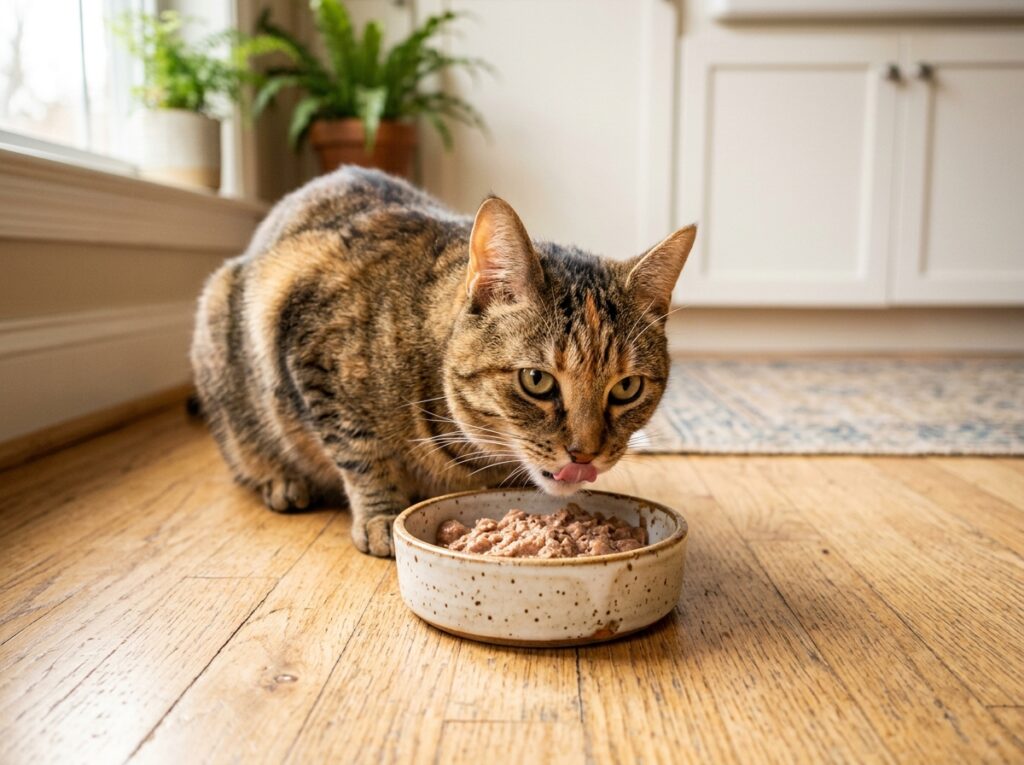
Cats evolved as desert hunters. Their bodies were designed to pull the majority of their daily moisture directly from the prey they ate. They have a naturally low thirst drive as a result — they don’t instinctively seek out water the way dogs or humans do. A diet of dry food contains roughly 10% moisture. The prey their body was built to eat contains around 70%.
The result is chronic, low-grade dehydration that most owners never notice — because their cat seems fine. Until, years down the road, kidney disease or urinary tract problems appear. These are among the most common health issues in domestic cats, and diet plays a significant role. The fix doesn’t have to be complicated or expensive. Even partially replacing dry kibble with wet food a few times a week makes a meaningful difference. Your cat’s kidneys will thank you long before you’d ever know they needed to.
Your Cat Is Lonely — And We’ve Been Calling It Independence
This is perhaps the most quietly heartbreaking thing on this list, because it’s been hiding in plain sight behind a story we tell ourselves about cats.
We’ve always said cats are independent. Self-sufficient. Perfectly happy alone. And sure, compared to dogs, cats are more solitary by nature. But there’s a significant difference between an animal that doesn’t need constant companionship and an animal that can thrive with absolutely nothing to engage them.
When you leave for work and the house goes still, your cat isn’t peacefully napping their way through eight hours of blissful solitude. Research shows that cats kept in low-enrichment environments — no perches, no stimulation, no interactive play — develop anxiety, compulsive overgrooming, aggression, and social withdrawal.
We called it personality. We called it aloofness. We never called it what it actually was: loneliness.
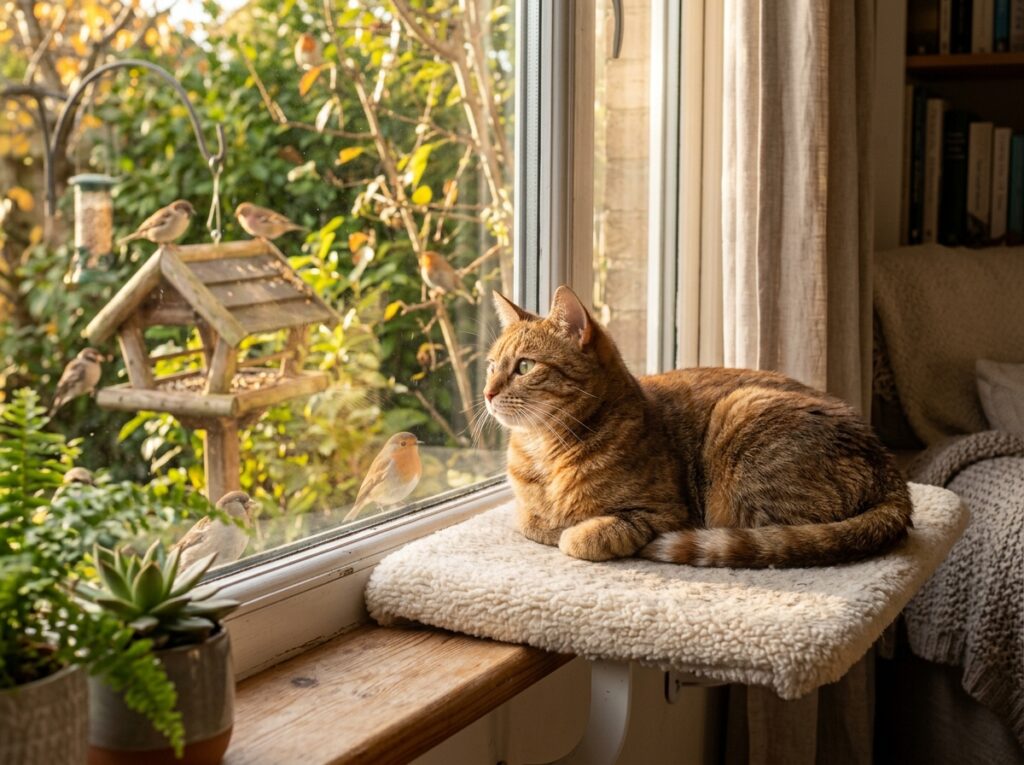
And there’s a cycle that develops from this that nobody talks about enough. A bored, understimulated cat acts out. Their owner gets frustrated and yells. The cat becomes more anxious. They act out more. The owner punishes more. The environment created the problem, and then the environment got blamed on the cat. Small changes break this cycle completely. A perch by a window. A paper bag left open on the floor. A wand toy used for ten minutes before bed. These aren’t luxury upgrades — they’re basic needs, and meeting them changes everything.
Final Thoughts: Understanding Your Cat Is the Deepest Form of Love
Here’s the most important thing to take away from all of this: none of these wounds were made with bad intentions. You weren’t hurting your cat because you didn’t care. You were hurting them because nobody told you — and cats certainly can’t.
But every single thing on this list is fixable. The damage isn’t permanent. The relationship isn’t broken. Cats are remarkably resilient when the conditions around them change for the better.
Let them come to you. Add some wet food to their diet. Move the litter box somewhere they feel safe. Give them something to watch, something to hunt, something to do. Stop yelling — not because you’re a bad person for having done it, but because now you know what it actually costs them.
Your cat has never needed you to be perfect. They’ve only ever needed you to see them. As a living creature with fear, trust, memory, and needs of their own. Now you do. And that changes everything.
Found this eye-opening? Share it with every cat owner you know — because most of them are making these same mistakes without realizing it. Explore more science-backed cat behavior content at Furrology.net, and subscribe to our YouTube channel for weekly videos that help you understand your pet on a whole new level.