
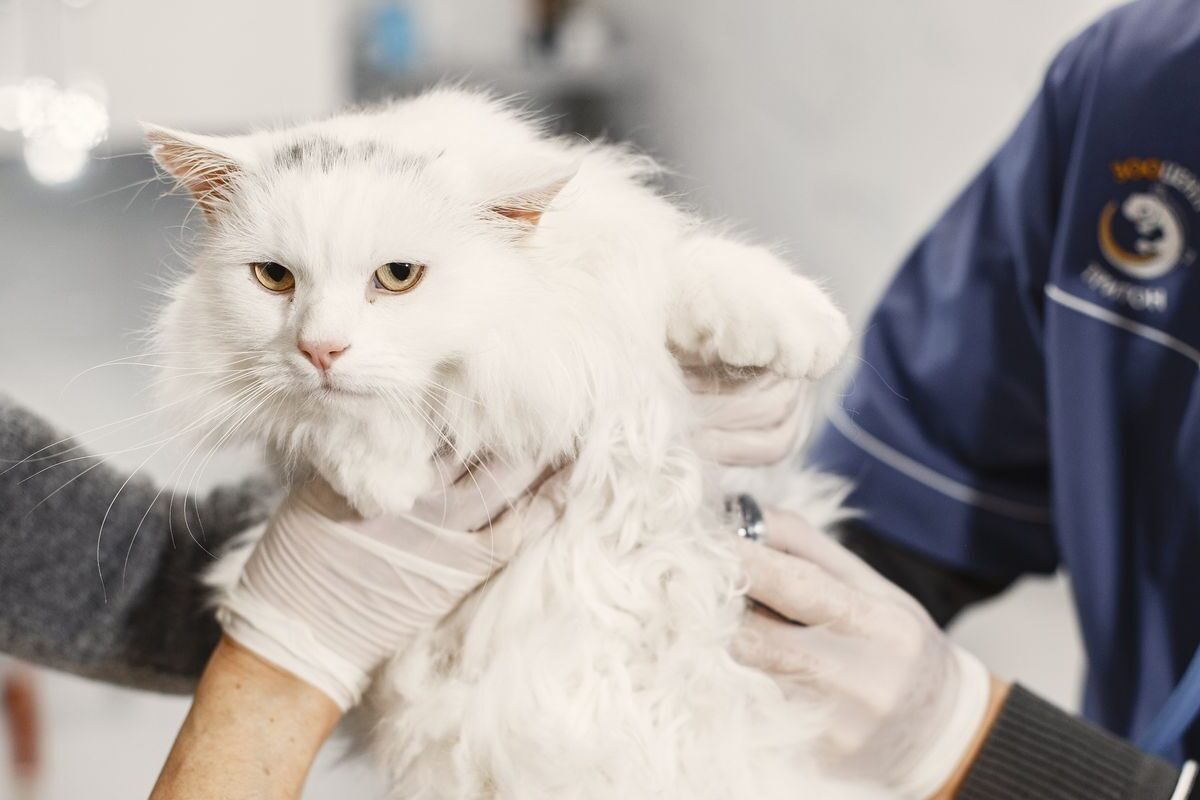
The right vet is one that handles cats gently, explains things in plain language, and earns your trust before an emergency — not simply the nearest practice. Choose while your cat is healthy, visit the practice first, and judge it by how your cat is treated and how clearly your questions are answered.
Choosing a vet is one of the first decisions a new cat owner makes, and one of the most lasting: a good vet will know your cat for years, through kittenhood, adulthood, and old age. Yet most people pick the nearest practice, or the one a friend mentioned, without much thought — and only discover the fit is wrong when a stressful visit goes badly.
A vet is not just a medical service. For a cat, the vet is a frightening place full of strange smells, strange animals, and handling by strangers. The right practice makes that experience as calm as possible, communicates clearly with you, and earns your trust before you ever need it in an emergency. Here is how to choose well, before you need to choose fast.
Start before you need one

The worst time to choose a vet is in an emergency, when you are panicking and the cat is already unwell. Choose when the cat is healthy, ideally soon after bringing a cat home, so the first visit is a calm checkup, not a crisis. A calm first visit lets the vet meet your cat at its best, lets you learn the practice’s routines, and means the practice already has your cat’s records when something urgent happens.
Ask other cat owners, local rescue groups, and breeders for recommendations, and read reviews — but read them for patterns, not single complaints. A practice with repeated praise for gentle handling and clear explanations is telling you something real. A single angry review about a bill is less informative than ten reviews saying the staff are kind to nervous cats.
What to look for in the practice

Visit before you commit, if you can. A good practice is clean, calm, and organized, with a separate waiting area or appointment times for cats and dogs where possible — cats waiting next to barking dogs are stressed before the visit starts. Staff should be welcoming to you and gentle with the cat, not rushed or rough. Cat-friendly practices often have feline-only waiting areas, pheromone diffusers, and staff trained in low-stress handling, all of which genuinely help a nervous cat.
Practical matters count too: location close enough that a sick cat is not a long, stressful journey; opening hours that fit your life; clear emergency arrangements for out-of-hours care, with a phone number you can actually reach. Ask how the practice handles emergencies, what happens if your cat needs referral to a specialist, and how records and prescriptions work. The answers should be clear and unhurried — a practice that cannot explain its own systems plainly will not explain your cat’s health plainly either.
Questions worth asking
On a first visit, or a phone call before it, ask: how much experience does the practice have with cats specifically, not just pets in general? How do they handle nervous or fearful cats — do they allow extra time, quiet rooms, or a slower approach? What does a routine checkup include, and how do they explain findings and options to owners? How are costs explained before treatment, and what payment options exist?
Watch how the answers feel. A good vet explains in plain language, offers options where options exist, and never pressures you into an immediate decision on a non-urgent matter. A vet who dismisses your questions, rushes through explanations, or makes you feel silly for worrying is a bad fit, however qualified they are. Trust is not a luxury in veterinary care; it is what lets you act fast and calmly when your cat needs it.
Red flags that mean keep looking
A few warning signs should send you elsewhere: dirty or chaotic premises, staff who handle cats roughly or scruff routinely for ordinary examinations, refusal to explain costs before treatment, pressure to agree to expensive procedures on the spot without time to think, and no clear emergency cover. Also be wary of a practice that never asks about your cat’s home life, diet, and behavior — a vet who only looks at the animal in front of them is missing half the picture.
None of this means a practice must be perfect or fancy. A small, plain practice with kind staff and clear communication beats a gleaming clinic that treats you like a number. The test is simple: do you leave feeling that your cat was treated gently and you understood what was said? If not, it is worth looking again.
Switching vets is allowed

Many owners stay with a bad fit out of loyalty or awkwardness, but switching is normal and easy: the new practice requests the records, and that is usually the whole process. If a visit leaves you uneasy, if communication breaks down, or if your cat’s fear of the vet grows visit by visit, a change is not disloyal — it is good ownership. Your cat cannot choose its own vet. That choice is yours, and it is worth making carefully.
Frequently Asked Questions
When should I choose a vet for a new cat?
As soon as possible after bringing the cat home, while the cat is healthy, so the first visit is a calm checkup rather than an emergency.
Should I pick a cat-only practice?
Cat-only practices can be calmer for nervous cats, but a good general practice with cat-friendly handling, separate waiting areas, and feline experience is just as good. The handling and communication matter more than the label.
What should I ask at a first vet visit?
Ask about the practice’s cat experience, how they handle nervous cats, what a routine checkup includes, how costs are explained before treatment, and what the emergency arrangements are.
Is it OK to switch vets if I am unhappy?
Yes, completely. The new practice requests your cat’s records, and switching is a normal part of pet ownership, not disloyalty.
How do I know if a vet is a bad fit?
Rough handling, rushed or unclear explanations, pressure to agree to expensive procedures immediately, dirty premises, or no emergency cover are all reasons to look elsewhere.
What should I bring to a first vet visit?
Your cat’s history: age, where it came from, what it eats, any past illnesses, and a short note of anything you have noticed — appetite, litter, behavior changes. Bring the carrier, and a list of questions: a first visit goes better when the vet has the full picture, not just the cat in front of them.
How do I help a nervous cat at the vet?
Keep the carrier covered, arrive a little early so the cat settles, and ask for a quiet waiting spot away from dogs if one exists. Speak calmly, let the vet set the pace, and do not force the cat out of the carrier — a vet used to nervous cats will coax it out gently.
What if there is no cat-friendly practice near me?
A good general practice with cat experience is just as good: ask whether they offer cat-only appointment times, separate waiting areas, or quiet rooms, and whether staff are trained in low-stress handling. The handling and communication matter more than a cat-only label — and a longer drive to a calmer practice is worth it.
Sources
- American Association of Feline Practitioners, cat-friendly veterinary care
- VCA Animal Hospitals, choosing a veterinarian
- RSPCA, veterinary care and cat welfare
- PetMD, first vet visits and choosing a vet