

Dogs roll in smelly things because scent is their language: strong smells carry information about other animals, and rolling picks that scent up and wears it. It is communication, camouflage instinct and plain enjoyment in one — normal dog behavior, not naughtiness, though some smells are genuinely dangerous and need a prompt wash.
There is a particular moment every dog owner knows. You turn around for two seconds, and your freshly washed dog is on its back in the grass, wriggling with delight in something dead, something rotten, or something unidentifiable but unmistakably foul. The dog is thrilled. You are not. And the car ride home is going to be memorable.
Dogs roll in smelly things for reasons that make sense to a dog, even if they make no sense to a human nose. It is not naughtiness, and it is not a
sign that your dog is dirty-minded. It is communication, camouflage, and pure enjoyment, all rolled into one very smelly package.
Scent is how dogs talk
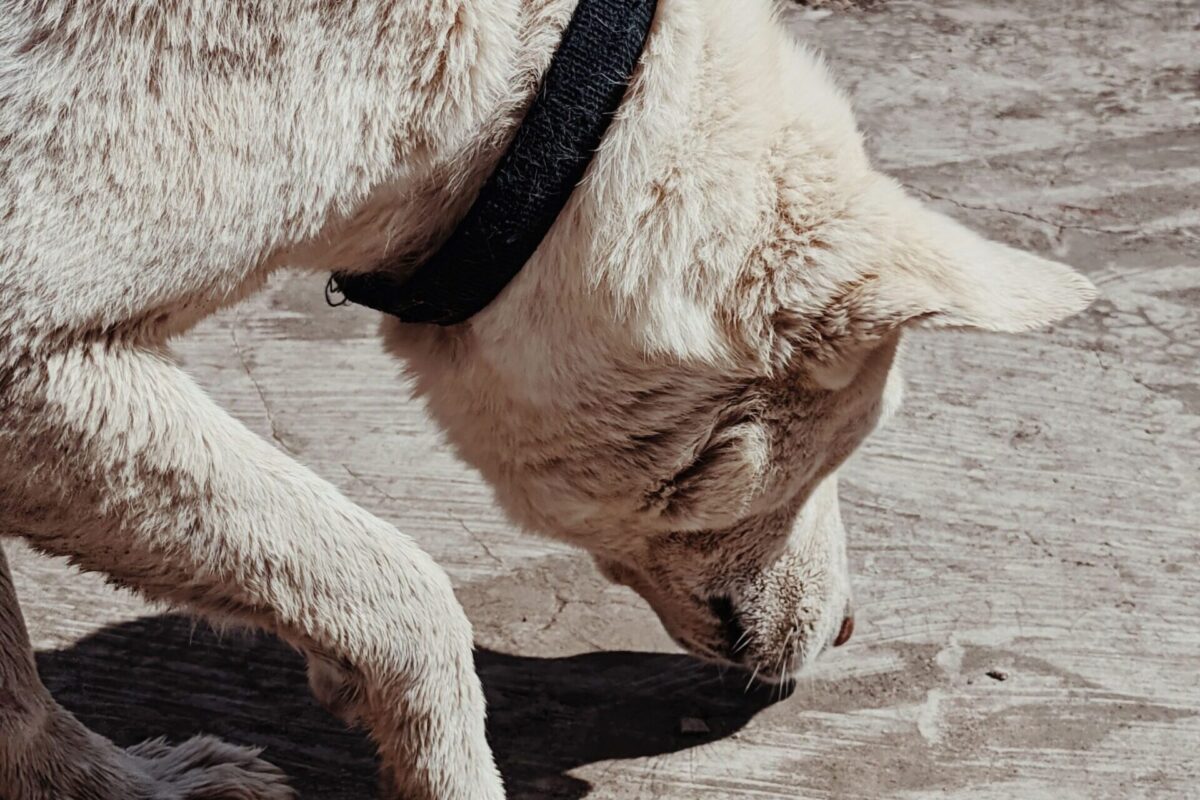
Humans live in a visual world; dogs live in a scent world. A dog’s nose has hundreds of millions of scent receptors, and scent carries information the way words carry information for us: who was here, what they ate, whether they are friend or rival, whether they are in season. Rolling in a strong scent is a dog picking up a message and wearing it.
That is why dogs roll hardest in the strongest smells: dead animals, fox droppings, other dogs’ urine marks, rotting food. To a dog, those are not disgusting — they are interesting, information-dense, and worth carrying home. A dog that rolls in fox droppings is, in dog terms, reading the news and then wearing it as a badge.
The camouflage theory
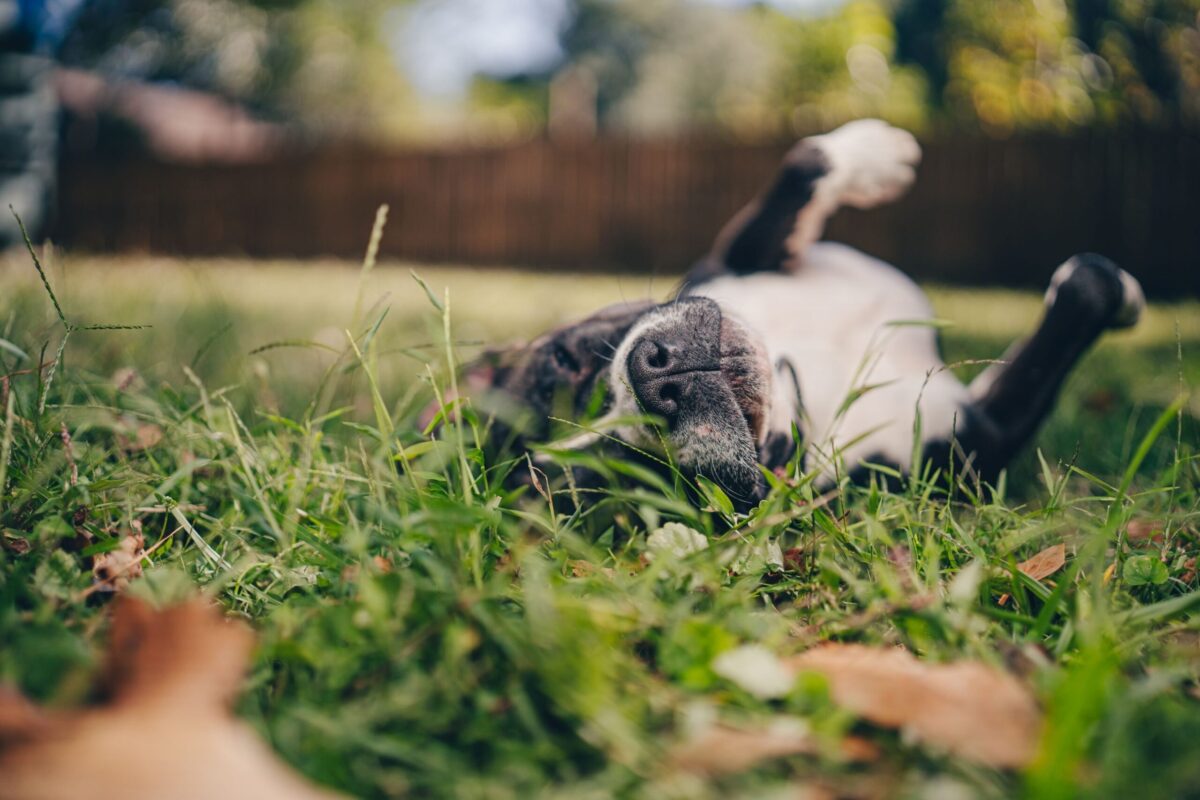
The oldest explanation is camouflage: wild canines roll in strong smells to mask their own scent before hunting, so prey does not smell them coming. A wolf that smells like a dead deer is harder for a deer to detect than a wolf that smells like a wolf. Pet dogs keep the instinct even though they hunt nothing but the treat bag.
It is probably only part of the story, since dogs also roll in smells when no hunting is involved, and they often roll and then show off the smell to their owner or other dogs — which is the opposite of hiding. But the camouflage instinct is real enough that it survives in dogs that have never
hunted a day in their lives.
Showing off and social scent
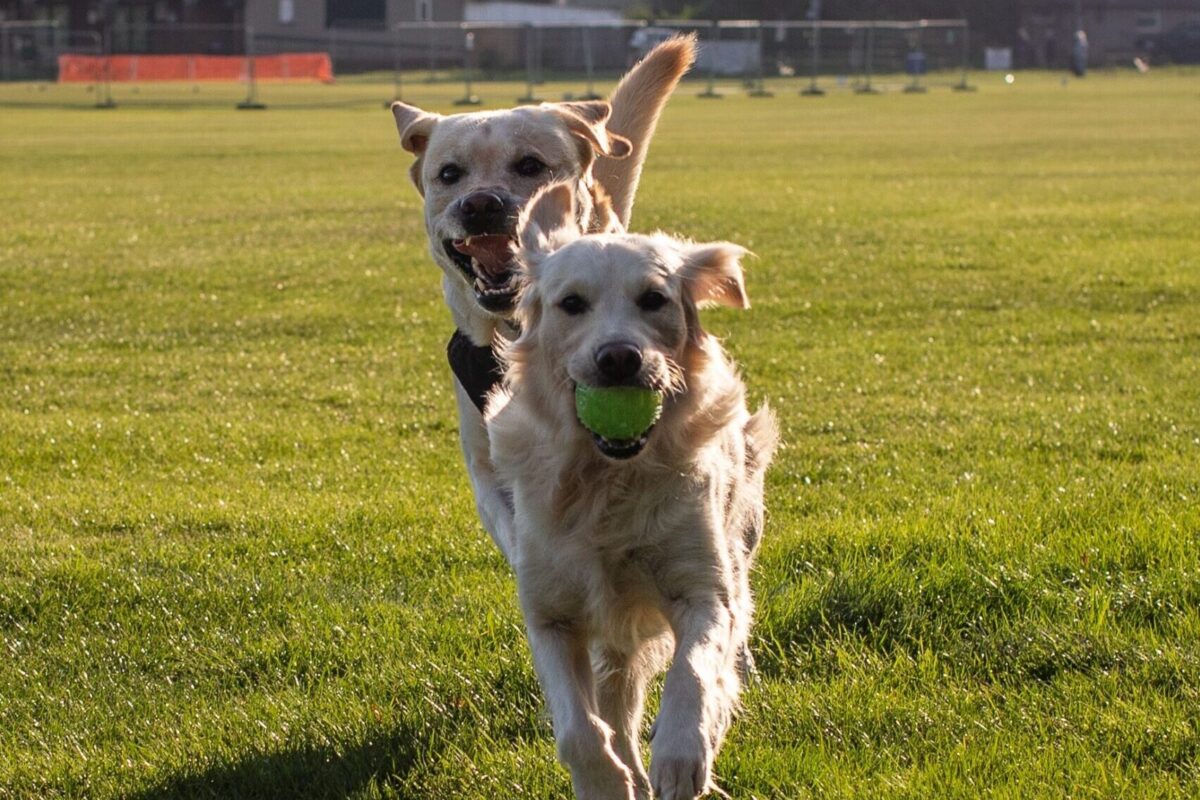
Dogs also roll to share. A dog that finds a great smell and rolls in it, then runs back to its owner or its dog friends, is showing off a discovery. In a group, one dog rolling in something often sets off the others — scent is social currency, and a good smell is worth spreading around.
Some behaviorists think rolling is also self-rewarding: the sensation of rolling, the scratching of the back on the ground, and the strong smell together are simply pleasurable for a dog. The wriggling, the legs in the air, the obvious delight — that is a dog enjoying itself, not just communicating. The smell is the point, and the rolling is the fun.
When rolling is not just funny
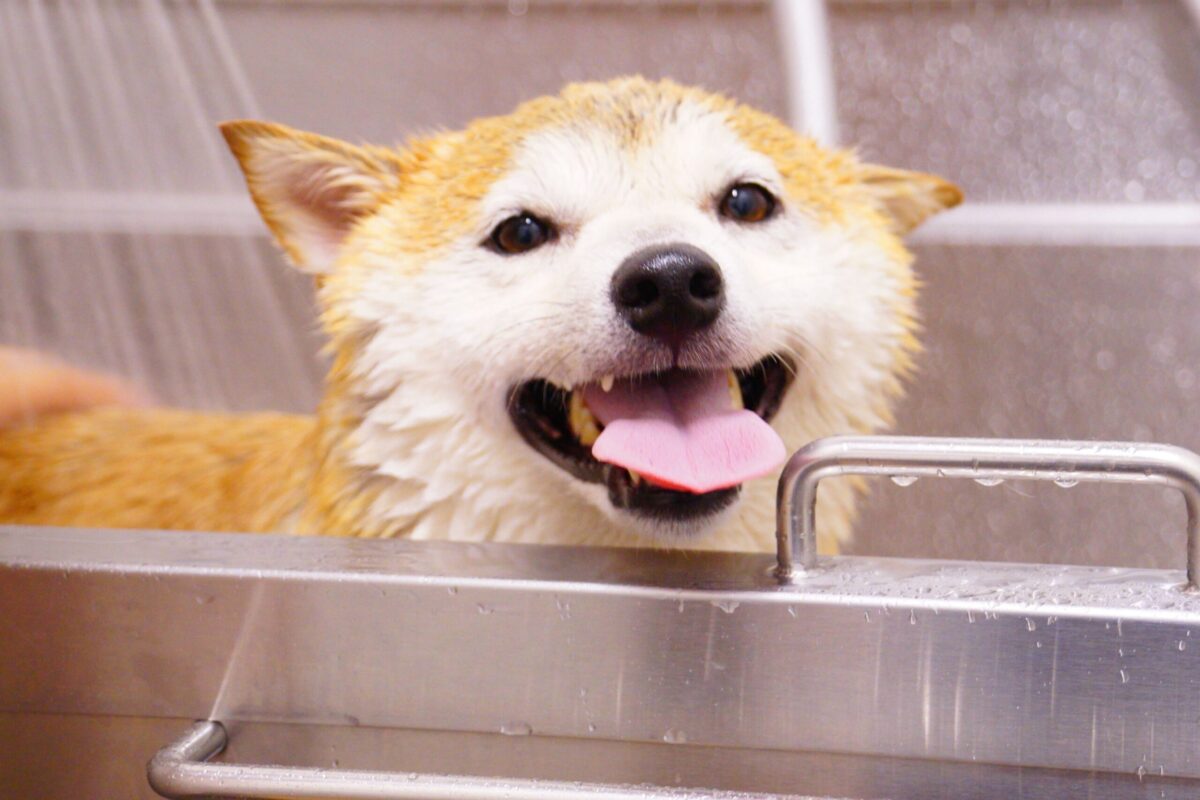
Most rolling is harmless, if disgusting. But some smells are dangerous: dead animals can carry parasites and bacteria, and rolling in something chemically treated — a sprayed field, a treated lawn, roadside waste — can irritate skin or be toxic if licked off. A dog that rolls in something unknown should be washed promptly, and a dog that starts licking itself obsessively after rolling, or develops a rash, sores, or vomiting, needs a vet.
Rolling paired with other changes is also worth noticing: a dog that suddenly rolls constantly, or rolls and then scratches frantically, may have itchy skin or an allergy rather than a scent hobby. Rolling alone is normal; rolling plus skin problems is a vet question.
Coping: prevention and the bath

Prevention is mostly management: keep the dog on a leash in areas known for dead animals or fox droppings, train a strong recall so you can call the dog off before it drops and rolls, and watch for the signs — the sudden stop, the lowered shoulder, the sideways glance — that mean a roll is about to happen.
For the bath afterwards, rinse first, then wash with a dog shampoo (human shampoo dries dog skin), working through the coat and rinsing well. Tomato juice is a folk remedy with little real effect; a proper dog shampoo and a second wash do more. Dry the ears well after any bath, since damp ears invite infection, and check the skin for cuts or irritation picked up during the roll.
Frequently Asked Questions
Why does my dog roll in fox poop?
Because to a dog, fox droppings are information-rich and interesting, not disgusting. Rolling picks up the scent and wears it, which is social communication in dog terms.
Is rolling in dead animals dangerous?
It can be: dead animals can carry parasites and bacteria, and chemically treated ground can irritate skin. Wash the dog promptly, and call your vet if it develops a rash, vomiting, or obsessive licking afterwards.
Can I train my dog to stop rolling?
Partly. A strong recall and leash management in known smelly spots help a lot, but the instinct is deep, and most dogs will still roll given the chance. Management beats training here.
Does rolling mean my dog is dirty or badly behaved?
No. Rolling is normal dog behavior driven by scent instinct, not naughtiness or poor hygiene. Even well-groomed, well-trained dogs roll.
What is the best way to wash the smell off?
Rinse, wash with a proper dog shampoo, rinse again, and dry well, including the ears. Tomato juice does little; a second shampoo wash does more.
Why do dogs roll after a bath?
Because a clean dog smells wrong to itself: shampoo strips away the dog’s own scent, and rolling restores a familiar smell — grass, earth, or something stronger. It is frustrating for owners, but it is the same scent instinct, not spite. A quick rinse, rather than a full shampoo, leaves less scent to replace.
Do puppies roll in smelly things too?
Yes — puppies roll just as eagerly, and often more clumsily, since the scent instinct is present from the start. A puppy rolling is normal exploration, not a behavior problem. Keep a puppy on a leash in known smelly spots until recall is reliable, and wash it promptly after any roll.
Can rolling spread smells to other pets or furniture?
Yes — a rolled-in dog carries the smell home on its coat, and other dogs will investigate it eagerly, while furniture and car seats absorb it fast. Wash the dog before it reaches the sofa or the car, and keep other pets away until it is clean, especially if the smell came from something unknown or chemically treated.
Sources
PetMD, why dogs roll in smelly things
VCA Animal Hospitals, canine scent behavior
American Kennel Club, dog behavior and scent rolling
RSPCA, dog behavior and welfare