

Research-based only. No product was personally tested.
Most dogs do not need bathing often, but when they do, the bottle matters. Dog skin is thinner and less acidic than human skin, which is why human shampoo — even a gentle one — strips a dog’s coat and leaves it dry and itchy. A shampoo made for dogs is pH-balanced for their skin, and that single difference is worth more than any fancy ingredient on the label.
The right shampoo also depends on the dog. A short-coated dog that rolls in mud needs something different from a long-coated dog that tangles, and a dog with sensitive skin needs something different again. The good news is that the choice is simpler than the shelf suggests: match the shampoo to the coat and the skin, skip the extras, and bathe less often than you think.
Why dog shampoo is different
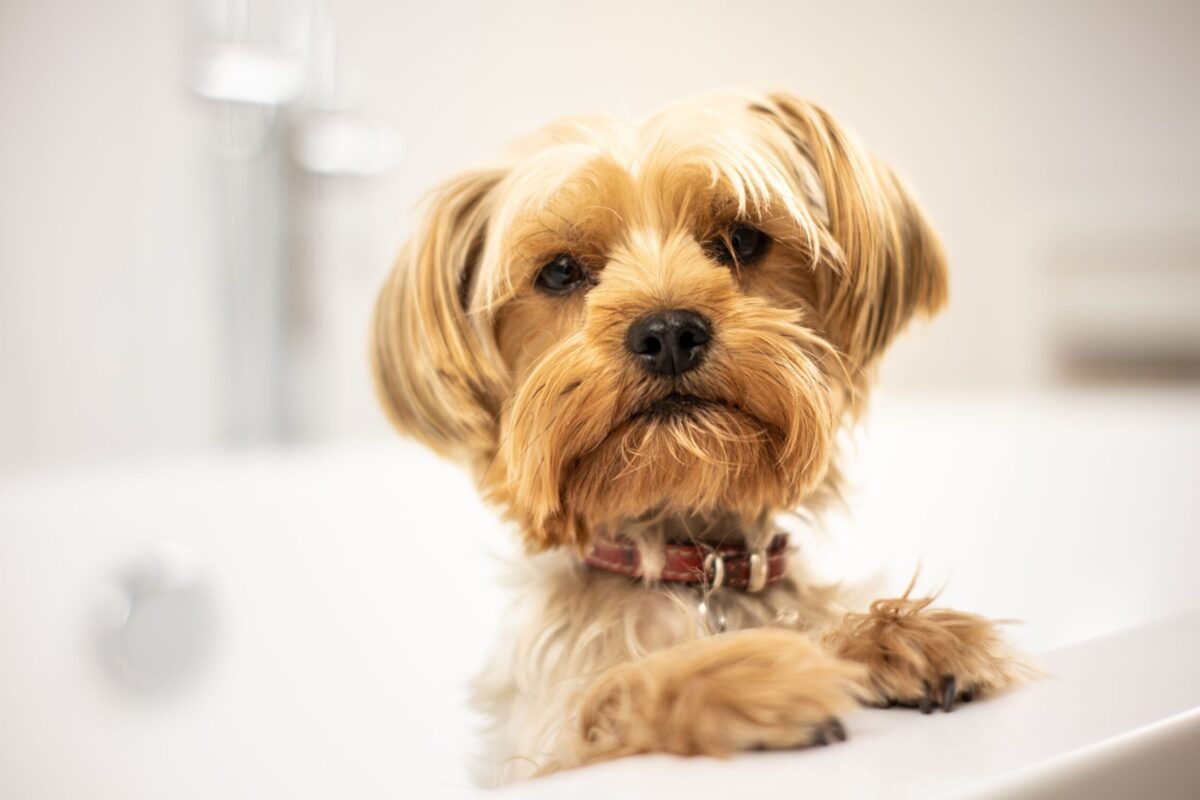
Dog skin sits at a more neutral pH than human skin, so products made for people are too acidic for dogs and wash away the natural oils that keep the coat soft and the skin calm. The result is a clean-looking dog that starts scratching a day later. Dog shampoos are formulated around that difference, and most are also tear-free or low-lather, which matters when you are washing around a wriggling dog’s face.
Fragrance is the other trap. A strongly scented shampoo smells wonderful in the bottle and overpowering on a dog, whose nose is far more sensitive than yours. Fragrance-free or lightly scented shampoos are the safer choice, especially for dogs that already scratch.
Matching shampoo to coat
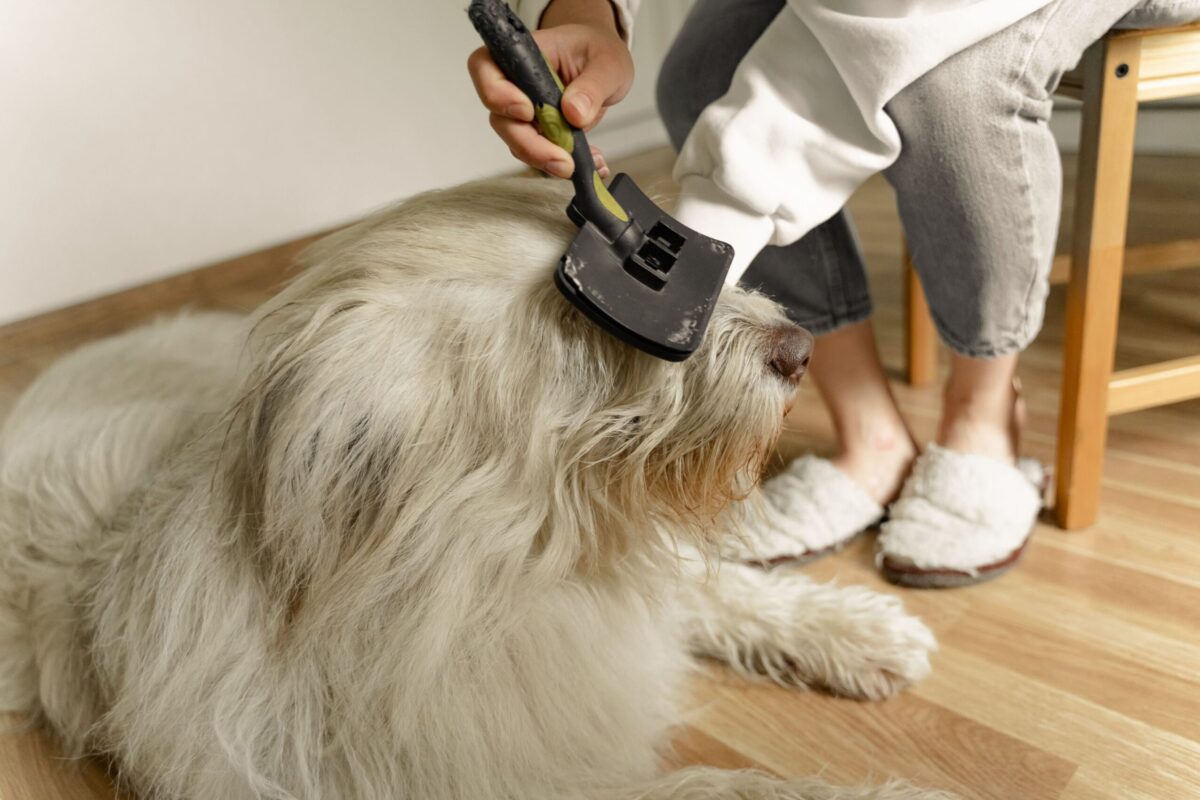
Short, smooth coats are the easiest: a basic gentle dog shampoo, well rinsed, is usually all they need. Long and double coats need a shampoo that helps with tangles rather than making them worse — look for formulas described as conditioning or detangling, and always follow with a thorough brush-out while the coat is still damp.
Curly and wiry coats dry out faster, so a moisturising formula suits them better than a deep-cleaning one. Puppies need a puppy formula, which is milder and tear-free, because puppy skin is thinner and puppies are far more likely to get shampoo in their eyes. Older dogs, whose skin also tends to be drier, usually do better with a gentle, moisturising shampoo than with anything labelled deep-clean or clarifying.
Soothing and oatmeal shampoos
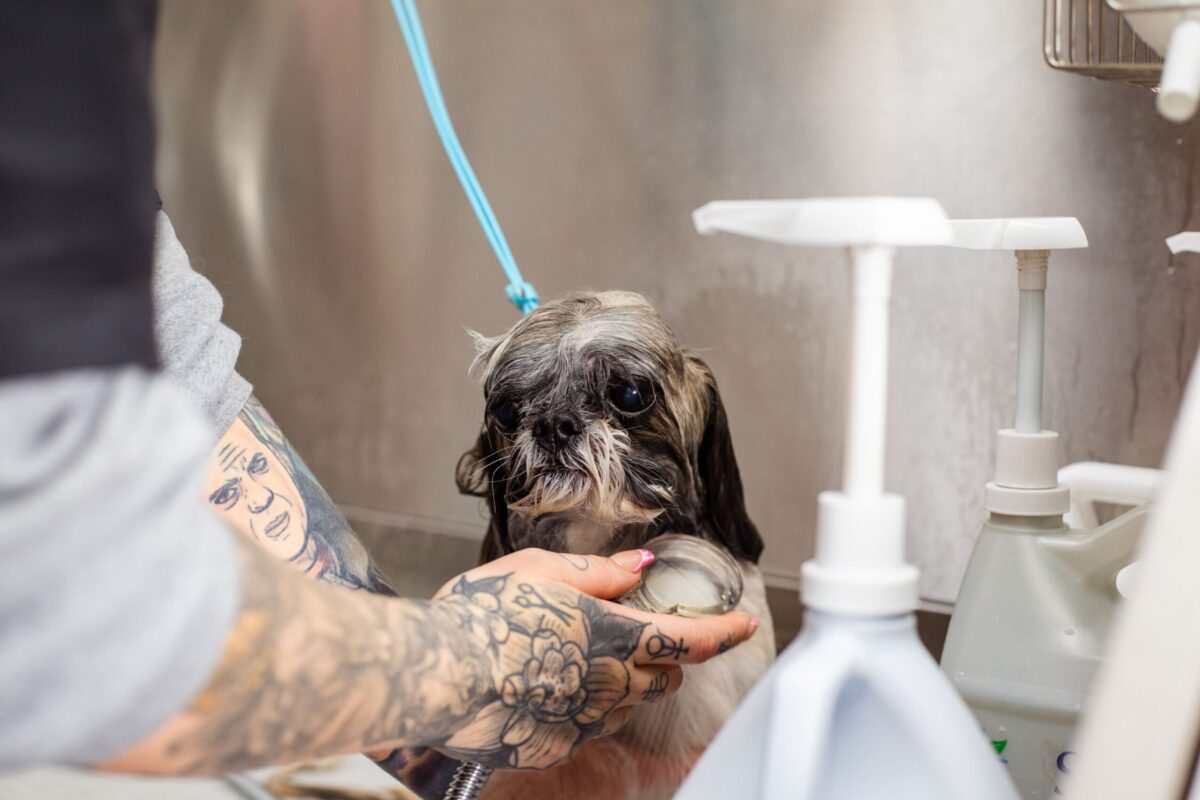
Oatmeal shampoos are the most common choice for dogs with mildly itchy or dry skin. Colloidal oatmeal coats the skin and calms irritation, and it is one of the few soothing ingredients with solid support behind it. Aloe-based shampoos do a similar job for general dryness.
One clear boundary: a shampoo marketed for a skin condition is not a treatment for one. If your dog has ongoing itching, redness, sores, or hair loss, that is a vet conversation, not a shopping decision. A soothing shampoo can make a comfortable dog more comfortable; it cannot fix a skin problem, and delaying a vet visit to try bottle after bottle only lets the problem get worse.
Deodorising shampoos and the roll problem
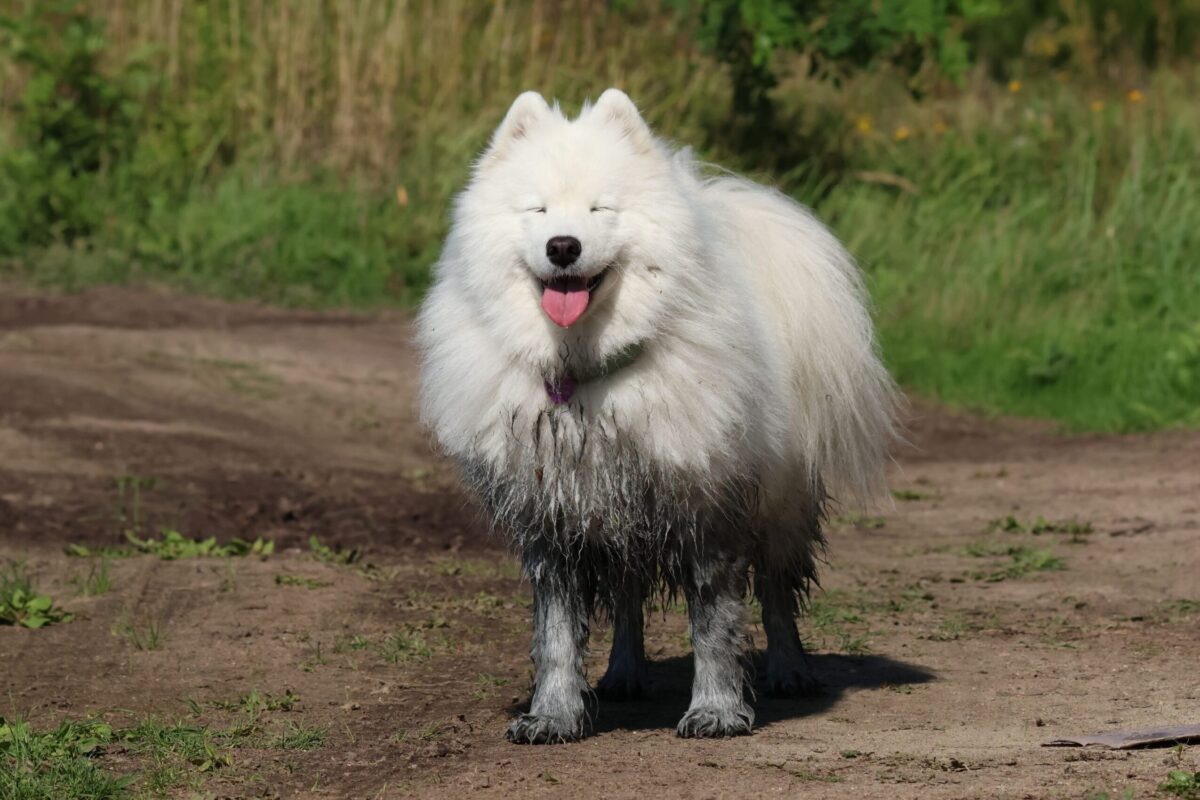
Some dogs smell because they rolled in something. Deodorising shampoos handle that, but they are the strongest formulas on the shelf, and using them every bath dries the coat out. The better routine is a gentle shampoo for normal baths and a deodorising wash only after a roll in something dreadful — which, for the dogs that do it most, is often enough on its own.
How often to bathe
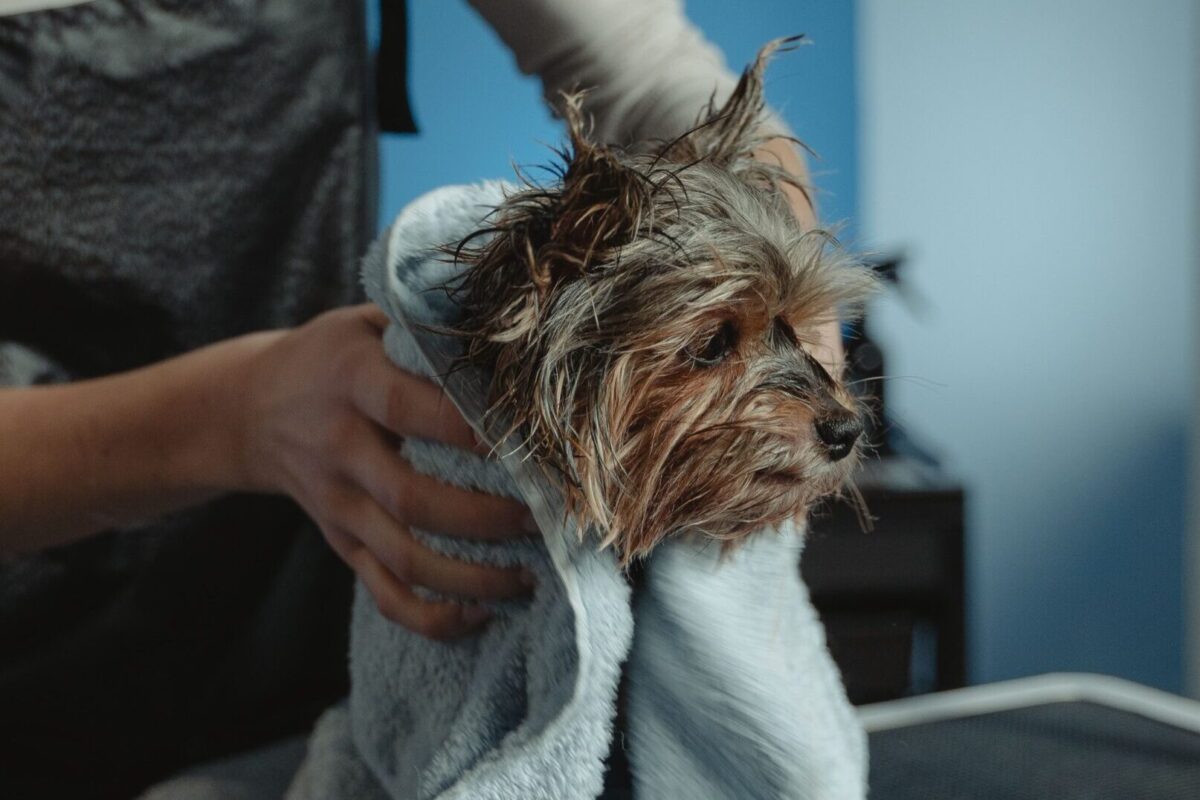
Most healthy dogs need a bath every month or two, not every week. Over-bathing strips natural oils and creates the dry, itchy skin owners are trying to avoid. Dogs that swim, work outdoors, or roll in mud need baths more often; indoor dogs with short coats may need very few. Between baths, brushing and a damp cloth wipe-down do more for a coat than another wash. Always rinse thoroughly — leftover shampoo residue itches more than dirt does — and dry the dog properly, especially long-coated breeds, since damp undercoat can smell and mat.
| Shampoo type | Best for | Watch out for |
|---|---|---|
| Gentle everyday dog shampoo | Most dogs, regular baths | Must be dog-formulated, not human shampoo |
| Oatmeal / soothing shampoo | Mildly dry or itchy skin | Not a treatment for real skin problems — see a vet |
| Moisturising / conditioning shampoo | Curly, wiry, long, or older dogs | Heavy formulas can weigh down short coats |
| Puppy shampoo | Puppies, tear-free washing | Outgrown once the dog is adult — switch to adult formula |
| Deodorising shampoo | After rolling in something awful | Strongest formulas; use only occasionally |
Buying advice
Buy for your dog’s coat and skin, not for the smell or the packaging. Start with a gentle, fragrance-free formula and change only if it does not suit your dog. Check the label for dog-specific pH balance, skip human shampoo entirely, and keep baths to when the dog is actually dirty. A bottle that lasts months is a sign you are bathing at the right frequency.
Methodology note
This guide is based on published veterinary and grooming guidance, not on hands-on testing. Product types are described by function and coat suitability, not by brand claims, and no shampoo is presented as tested by this site.
Frequently Asked Questions
Can I use human shampoo on my dog just once?
Better not to. Even one wash with human shampoo can dry a dog’s skin and start itching, because human shampoo is more acidic than dog skin needs. Keep a bottle of dog shampoo on hand instead.
How often should I bathe my dog?
Most healthy dogs every month or two. Dogs that swim, work outdoors, or roll in mud need it more often; indoor short-coated dogs need it less. Over-bathing causes the dry skin owners want to avoid.
What if my dog itches after every bath?
Switch to a fragrance-free, gentle formula and rinse longer — residue is a common cause. If the itching continues, or there is redness, sores, or hair loss, talk to your vet rather than trying another bottle.
Do puppies need a special shampoo?
Yes. Puppy skin is thinner and puppies get shampoo in their eyes more easily, so a mild, tear-free puppy formula is the right choice until the dog is grown.
Are oatmeal shampoos good for all dogs?
They suit most dogs, especially those with mildly dry skin, but they are comfort, not treatment. Ongoing skin problems need a vet, not a different shampoo.
Related reading
- Why Do Dogs Roll in Smelly Things? Scent, Instinct and the Dead-Fish Perfume
- Best Dog Collars: Fit, Comfort and Everyday Safety
- Senior Dog Care Guide
- Dog Body Language Guide
Sources
- American Kennel Club, dog bathing and shampoo guidance
- PetMD, how often to bathe a dog and choosing shampoo
- VCA Animal Hospitals, bathing and skin care for dogs
- RSPCA, grooming and skin care for dogs