
Research-based guide only — this guide contains no prices or affiliate links.
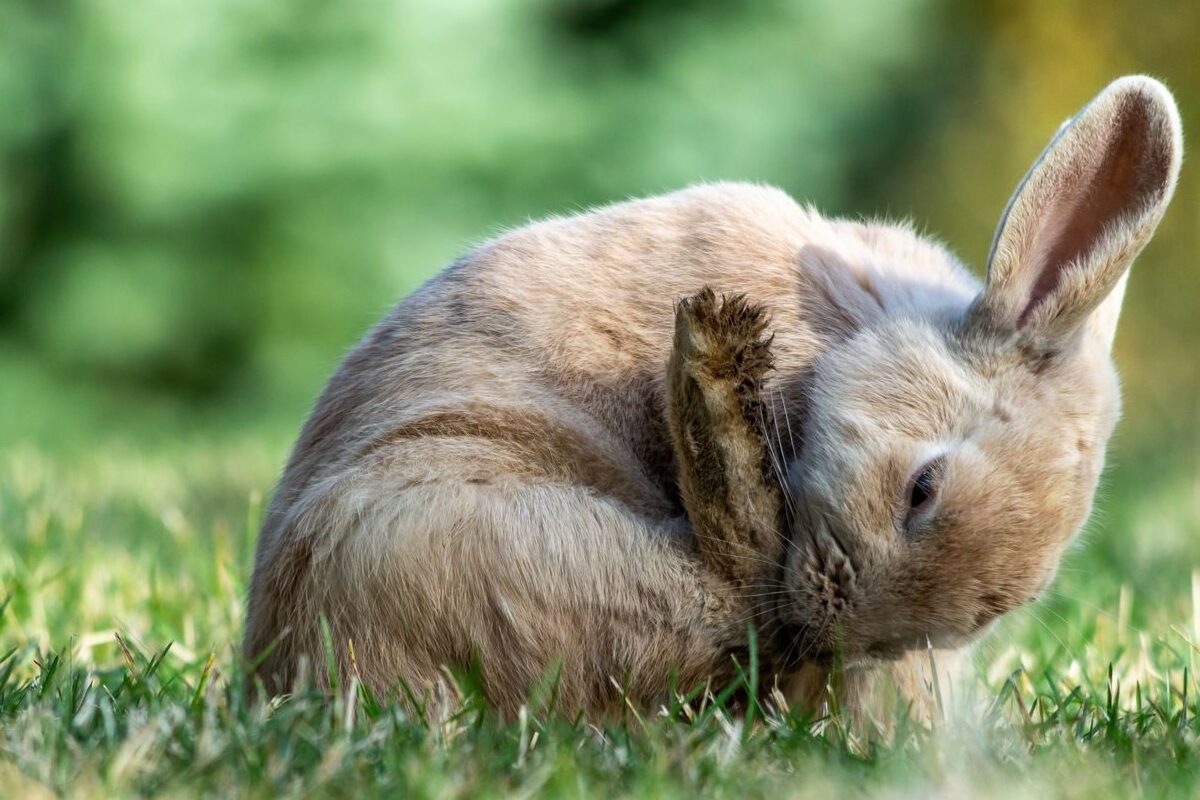
A rabbit that has never been groomed looks fine until shedding season arrives and your sofa, your clothes, and the rabbit’s own stomach are all full of fur. Rabbits groom themselves constantly, but they cannot cough up hairballs the way cats do. Swallowed fur has to pass through, and too much of it can cause real trouble. That is the practical reason grooming matters — and the reason it is worth learning to do it without a wrestling match.
Brushing: short, gentle, and often
How often you brush depends on the coat. A short-haired rabbit usually needs a brush once a week, more during a heavy moult. A long-haired rabbit — an angora or a lionhead — needs brushing several times a week, or mats form fast, especially behind the ears and around the tail.
Use a soft brush or a wide-toothed comb, and work in the direction the fur grows. Short, light strokes beat long, hard ones. Rabbits have thin, delicate skin that tears more easily than a dog’s, so if the brush snags, stop and work the tangle out with your fingers instead of pulling through it.
The trick is to make it boring. Sit on the floor, let the rabbit settle on your lap or beside you, and brush for a few minutes while talking quietly. End with a favourite green or a small treat. A rabbit that learns brushing ends with something good will tolerate it far better than a rabbit that only gets grabbed for grooming emergencies.
Watch the moult. Rabbits shed heavily a few times a year, and during a big shed you may need to brush daily for a week or two. You will know it is moulting season when the fur comes out in tufts and your rabbit looks patchy. Patchiness during a moult is normal. Bald patches with red or flaky skin are not — those deserve a vet visit.
Nails: little and often beats a big event
Rabbit nails grow continuously, and long nails catch on fabric, bend, and change how the rabbit hops. Check them every couple of weeks. On light nails you can see the pink quick inside; cut a small amount at a time, well clear of it. On dark nails, where you cannot see the quick, take off only the sharp tip and stop.
If you are nervous — most owners are at first — ask your vet or a rabbit-savvy groomer to show you once. Watching someone do it on your own rabbit is worth more than any diagram. Keep styptic powder nearby the first few times, just in case you nick the quick. It bleeds a lot, looks alarming, and is usually minor, but it is much better avoided.
Do nails when the rabbit is calm, not when it is already wound up from play. One or two paws per session is fine. You do not have to finish all four feet in one sitting, and a rabbit that learns nail time is short and calm will not dread it.
The bathing rule
Here is the rule that surprises new owners: do not bathe a rabbit. A full bath chills a rabbit dangerously fast, because rabbit fur takes a long time to dry and rabbits lose body heat quickly when soaked. A stressed, wet rabbit can go into shock, and that is not an exaggeration — it is one of the genuine emergencies in rabbit care.
Spot cleaning is the answer for a dirty bottom or muddy feet. A damp cloth, warm water, and gentle dabbing, then dry the area thoroughly with a towel. For a rabbit with a persistently dirty bottom, the cause is usually diet or mobility, not a lack of washing, and that is worth a vet conversation rather than repeated baths.
The one exception is a vet telling you to bathe a specific area for a medical reason. That is a vet’s call, with a vet’s instructions, not a grooming routine.
Scent glands, ears, and the bits people forget

Rabbits have scent glands under the chin — that is what chinning is — and two small ones either side of the tail. The tail glands can build up a waxy, strong-smelling deposit. You can wipe it gently with a damp cloth during grooming. If the area looks red, swollen, or sore, leave it alone and ask your vet.
Ears need only a look, not a clean, unless your vet says otherwise. Healthy rabbit ears are clean inside. A build-up of crust, a bad smell, or a rabbit shaking its head a lot are signs to get checked, not to start poking around with cotton buds.
Teeth are the other quiet grooming item. A rabbit’s teeth grow all its life, and unlimited hay is what wears them down naturally. If your rabbit is drooling, dropping food, or eating less, that is a dental problem for the vet, not something grooming fixes.
Making grooming part of the routine
The best grooming routine is the one the rabbit barely notices. Pick a calm time of day — rabbits are often most relaxed in the late afternoon — and keep sessions short. Five minutes of brushing and a quick nail check beats a monthly half-hour battle.
Keep your tools in one place: a soft brush, a comb, nail clippers, a towel, and treats. Groom in the same spot each time so it becomes familiar. And watch while you groom. Grooming time is also health-check time: lumps, sore patches, overgrown nails, and changes in coat all show up under your hands before they show up anywhere else.
Frequently Asked Questions
How often should I brush my rabbit?
Once a week for a short coat, several times a week for a long coat, and daily during a heavy moult. The goal is to remove loose fur before the rabbit swallows it during its own grooming.
Can I bathe my rabbit?
Almost never. Baths chill rabbits dangerously and can cause shock. Spot-clean dirty areas with a damp cloth and dry thoroughly. Only bathe if your vet specifically tells you to for a medical reason.
What if my rabbit hates being brushed?
Shorten the sessions, brush when the rabbit is calm, and end with a treat. If the rabbit panics every time, check your technique — too much pressure is the usual cause — and build up from a minute at a time.
My rabbit has matted fur. What do I do?
Work small mats out gently with your fingers and a wide comb. Do not pull, and never cut close to the skin with scissors — rabbit skin tears easily and hides under mats. Large or tight mats are a job for your vet or an experienced groomer.
Do short-haired rabbits need grooming at all?
Yes, just less of it. Weekly brushing, regular nail checks, and a hands-on health check during grooming all still matter, even for a sleek short coat.
Related reading
- What Do Rabbits Eat? The Complete Diet, Hay and Treats Guide
- Rabbit Body Language: A Complete Guide to What Your Bunny Is Telling You
- How to Bond Two Rabbits: The Step-by-Step Guide
- Best Rabbit Enrichment Toys: Boredom Busters for Happy Bunnies
Sources
- Rabbit Welfare Association and Fund — rabbit care guidance
- RSPCA — rabbit grooming and health advice
- VCA Animal Hospitals — rabbit care articles