
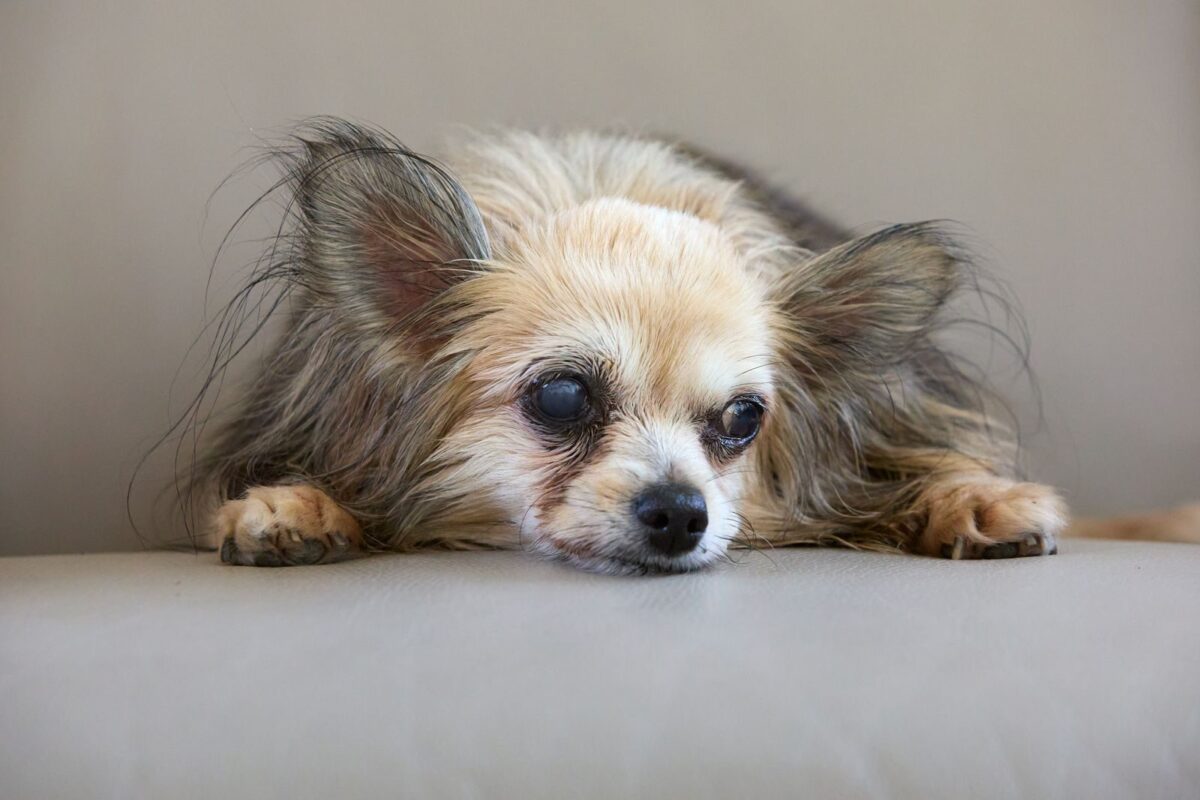
A dog can’t tell you when something hurts. He can’t say his stomach feels off, or his ear is sore, or he’s been feeling tired for a week. What he can do is show you — in small changes that are easy to miss if you’re not looking for them, and easy to dismiss if you are.
Most of the time, those small changes turn out to be nothing. A dog has an off day, eats a bit less, sleeps a bit more, and is fine by morning. But some changes are the early signs of something that needs a vet’s attention, and the difference between catching it early and catching it late is often just a matter of noticing — and acting — a few days sooner.
This guide is about learning to notice. It covers the warning signs that mean you should call your vet promptly, how to tell them apart from the everyday ups and downs of a healthy dog, and what to write down before you call so the vet gets a clear picture. It’s general information, not a diagnosis — only a vet who can see and examine your dog can say what’s actually wrong. What you can do is know when to pick up the phone.
The short answer: changes are the signal

The single most useful thing to understand about warning signs is that it’s the change that matters, not the thing itself. A dog who has always been a picky eater and eats a bit less today is not the same as a dog who has always cleared his bowl and suddenly won’t touch his food. A dog who has always slept sixteen hours a day and sleeps sixteen hours today is not the same as a dog who used to bounce out of bed at six and now won’t get up until ten.
So the real skill isn’t memorising a list of symptoms. It’s knowing your own dog — what’s normal for him, and what’s different. How much does he usually eat? How much water does he drink? How does he move when he gets up? How does he behave on a walk? When you know the answers to those questions, a change stands out. When you don’t, the change slides past.
If you take one habit from this guide, make it this one: notice the baseline. You don’t need a notebook or a spreadsheet. You just need a rough sense of your dog’s normal — his appetite, his energy, his toilet habits, his mood — so that when something shifts, you spot it in a day or two, not a week or two later.
Eating and drinking changes
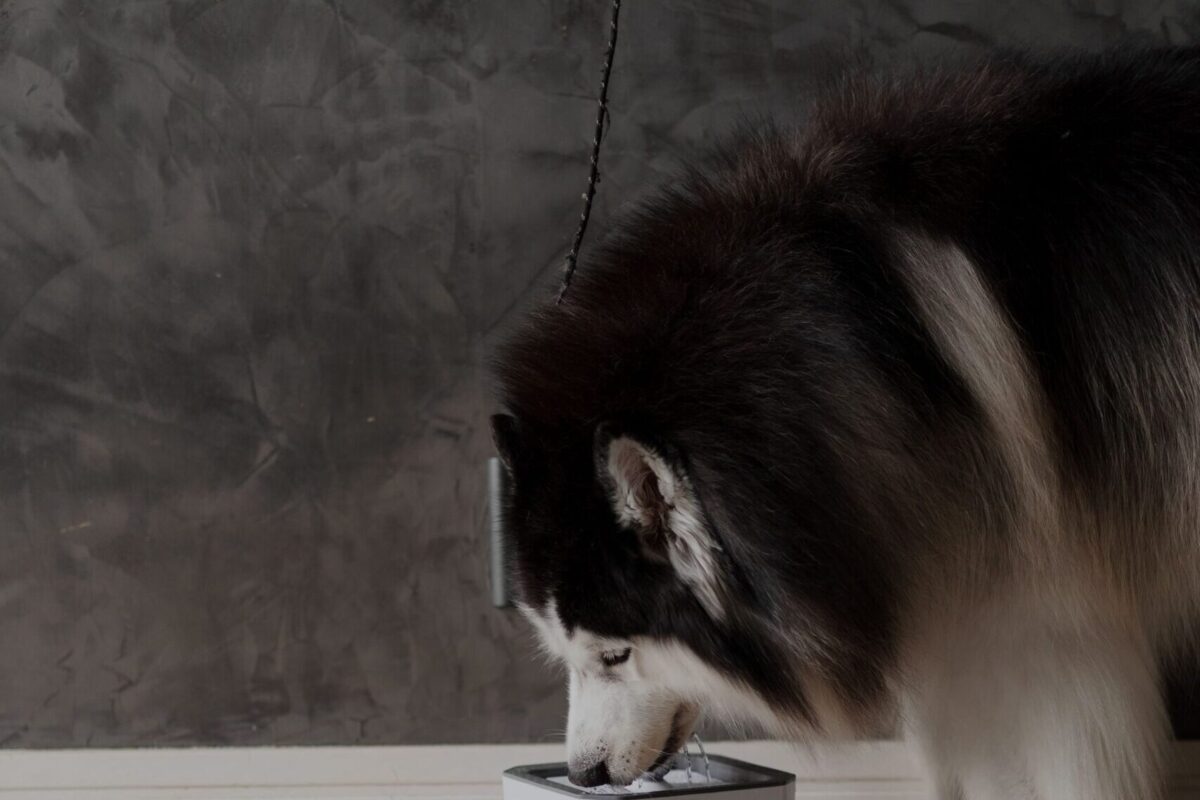
Appetite is one of the first things to change when a dog isn’t feeling right, and one of the most useful things to watch.
Not eating. A dog who skips one meal and is otherwise himself — bright, drinking, moving normally — usually isn’t a cause for alarm. Dogs have off days, just like people do. But a dog who hasn’t eaten for a full day, or who turns away from food he normally loves for more than a day, is worth a call to the vet. And a dog who won’t eat and is also lethargic, vomiting, or has diarrhoea shouldn’t wait at all — call the same day.
Eating much more than usual. A sudden increase in appetite can be just as much of a signal as a loss of appetite — especially if it comes with weight loss, or with drinking much more water than usual. If your dog is suddenly ravenous all the time, or begging for food constantly when he never used to, mention it to your vet. It may be nothing. It may be worth checking.
Drinking much more, or much less. Water intake is easy to overlook because the bowl just gets refilled. But a dog who is suddenly emptying his water bowl twice as fast, or asking to go out to urinate much more often, is showing you something. The same goes for a dog who stops drinking, or drinks noticeably less — especially on a warm day, or after exercise. If you notice a clear change in drinking that lasts more than a day or two, call the vet and describe it.
Trouble eating. Dropping food, chewing on one side, pawing at the mouth, or crying while eating — these can point to a sore tooth or a sore mouth. Our guide to what a first vet checkup covers is a useful starting point, but a dog who is clearly struggling to eat should be seen rather than waited on.
Energy and behaviour changes

Energy is the other big early signal, and it’s the one owners most often explain away. “He’s just getting older.” “It’s the heat.” “He had a big day yesterday.” Sometimes those explanations are right. Sometimes they’re not, and the dog has been telling you for a week that something is wrong.
Sleeping much more. Dogs sleep a lot — an adult dog sleeps around twelve to fourteen hours a day, and puppies and older dogs sleep more. But a dog who is suddenly sleeping far more than his own usual, or who is hard to wake, or who lies down on walks when he used to pull ahead, is showing a change worth mentioning to your vet.
Not wanting to move. A dog who hesitates at the stairs, who won’t jump into the car when he always has, who lies down during a walk, or who is stiff and slow when he gets up in the morning — these are all signs of pain or discomfort. Dogs are good at hiding pain, and by the time a dog is visibly limping or crying out, he has often been uncomfortable for a while. The early signs are the subtle ones: the hesitation, the stiffness, the reluctance.
Hiding or clinginess. A dog who suddenly starts hiding under furniture, or who becomes unusually clingy and won’t leave your side, is telling you something has changed. Both are stress responses, and both are worth paying attention to — especially if the change is sudden and there’s no obvious cause, like fireworks or a new baby in the house.
Confusion or disorientation. An older dog who gets stuck in a corner, who stares at a wall, who seems to forget where the door is, or who paces at night — these changes in an older dog are worth discussing with your vet. Some of them are part of ageing. Some of them are worth looking into sooner rather than later, and a vet can help you tell the difference. Our guide to senior dog vet visits covers what changes as dogs age and what the vet watches for at those visits.
Aggression that wasn’t there before. A friendly dog who suddenly growls when touched, or snaps when you reach for his food bowl, or becomes irritable with other dogs, is often a dog in pain. Pain makes dogs short-tempered, and a change in temperament is one of the most reliable signs that something hurts. Don’t punish the growl — it’s information. Call the vet.
Breathing changes

Breathing is one of those things you never think about until it changes, and then you can’t think about anything else. A dog’s normal breathing at rest is slow and quiet — roughly ten to thirty breaths a minute, depending on size. Panting after exercise or in hot weather is normal. Panting at rest, in a cool room, for no clear reason, is not.
Panting at rest. If your dog is panting heavily while lying still indoors, and he hasn’t just exercised and it’s not hot, that’s worth a call. The same goes for breathing that looks laboured — the belly heaving, the ribs showing more than usual, or the dog sitting upright and refusing to lie down because it’s easier to breathe that way.
Coughing. An occasional cough — a dog clearing his throat, or coughing once after drinking too fast — is normal. A cough that goes on for more than a few days, a cough that brings up anything, a cough that happens mostly at night, or a cough that leaves your dog gagging or struggling to catch his breath — all of these are worth a vet visit. Don’t wait for a cough to “go away on its own” if it’s been there for a week.
Noisy breathing. Wheezing, raspy breathing, or a high-pitched sound when your dog breathes in are all changes worth mentioning promptly. So is a dog whose breathing suddenly becomes much faster at rest, or who seems to be working hard just to breathe normally.
Vomiting and diarrhoea
Every dog vomits sometimes. They eat things they shouldn’t, they eat too fast, they get a mild stomach upset, and then they’re fine. The question is always: how often, how long, and what else is going on?
Vomiting once, then fine. A dog who vomits once, then eats, drinks, and behaves normally afterwards, usually doesn’t need a vet. Offer a small amount of water, wait an hour, offer a small bland meal, and see how he does.
Vomiting more than once, or for more than a day. A dog who vomits several times in a day, or who keeps vomiting into the next day, needs a vet call. So does a dog who vomits and can’t keep water down, or who is vomiting and lethargic, or who is vomiting blood or something that looks like coffee grounds.
Diarrhoea. A single loose stool is usually nothing. Diarrhoea that lasts more than a day or two, diarrhoea with blood in it, diarrhoea in a puppy or an older dog, or diarrhoea combined with vomiting or lethargy — all of these are reasons to call the vet. Puppies dehydrate fast, and what looks like a mild stomach upset in an adult dog can become serious quickly in a puppy.
Straining or not passing anything. A dog who strains to pass a stool and produces nothing, or who is clearly uncomfortable trying, needs to be seen the same day. The same applies to a dog who can’t urinate, or who strains to urinate and produces only a few drops — that’s an urgent situation, not a wait-and-see one.
Pain signs
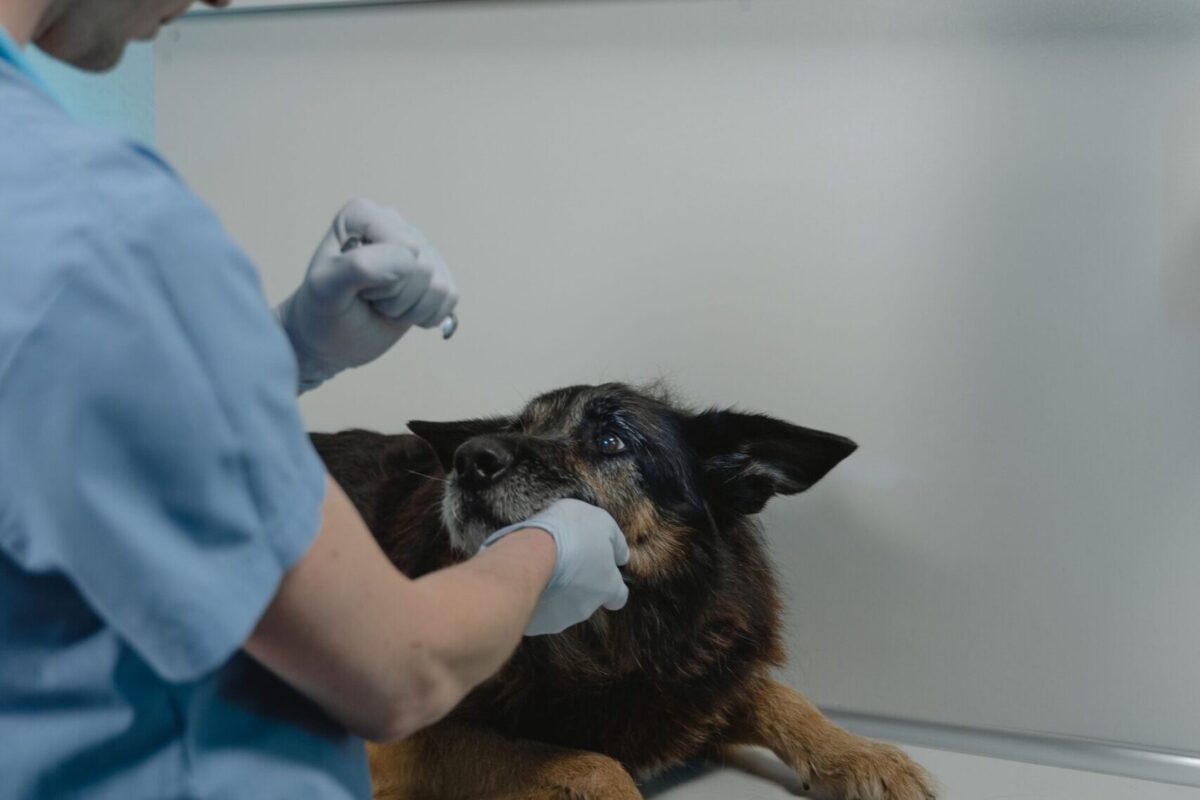
Dogs hide pain well. It’s an instinct — in the wild, showing pain makes an animal vulnerable. So a dog in pain rarely cries about it. Instead, he shows it in small, practical ways, and most of them look like behaviour changes rather than pain.
Yelping or flinching when touched. If your dog yelps when you touch a particular spot, or flinches away from your hand, that’s pain. Note where it is, and tell the vet.
Limping. A limp that lasts more than a day, a limp that gets worse, or a dog who won’t put weight on a leg at all — all worth a vet visit. A limp that comes and goes for weeks is also worth mentioning, even if the dog seems fine between episodes.
Licking or chewing one spot. A dog who licks or chews at one paw, one joint, or one patch of skin obsessively is often trying to soothe something that hurts or itches. If the spot is red, swollen, or sore, or if the licking has been going on for days, call the vet.
Changes in posture. A dog who stands hunched, with his back arched and his head low — sometimes called the “praying” position, with his front end down and his back end up — may have abdominal pain. A dog who won’t lie down, or who keeps shifting position and can’t settle, may be uncomfortable. These postures are easy to miss if you don’t know what you’re looking at, and worth a photo or a video to show the vet.
Shivering or trembling when it’s not cold. A dog who shivers indoors, at a normal temperature, and isn’t wet or frightened, may be in pain. If the shivering comes with any of the other signs in this guide, call the vet.
Skin, coat and lumps

A dog’s skin and coat tell you a lot about his health, and they’re the easiest things to check — you’re stroking him anyway. The habit of running your hands over your dog once a week, feeling for anything new, is one of the most useful habits an owner can build.
New lumps or bumps. Most lumps in dogs turn out to be harmless — fatty lumps, cysts, warts. But a new lump should always be shown to a vet, because the only way to know what a lump is is to have it looked at. Pay particular attention to lumps that grow quickly, lumps that change colour or shape, lumps that bleed or ooze, or lumps that seem painful when touched. A vet can usually tell a lot from a simple examination, and if they want to know more, they’ll explain what the next step is. Don’t wait months to mention a lump — mention it at the next visit, or sooner if it’s changing fast.
Itching and scratching. Every dog scratches sometimes. A dog who scratches constantly, who keeps you awake at night with it, who has scratched himself raw, or who has bald patches where he’s been scratching — that’s a dog who needs to be seen. The same goes for a dog who licks his paws obsessively. Our guide to why dogs lick their paws covers the everyday reasons, and the signs that mean it’s time for a vet visit.
Hair loss. Patchy hair loss, a thinning coat, or a coat that has suddenly gone dull and dry can all be worth mentioning. So can skin that has become flaky, red, or smelly. These changes often develop gradually, which is exactly why they’re easy to miss — you see your dog every day, and the change creeps up on you. A photo from a few months ago, compared with your dog now, can make a gradual change obvious.
Wounds that don’t heal. A cut or scrape that isn’t healing after a week, a wound that keeps opening up, or a sore that won’t close — these need a vet’s look. The same goes for any wound that becomes hot, swollen, or smelly, which can be a sign of infection.
Eyes, ears and mouth
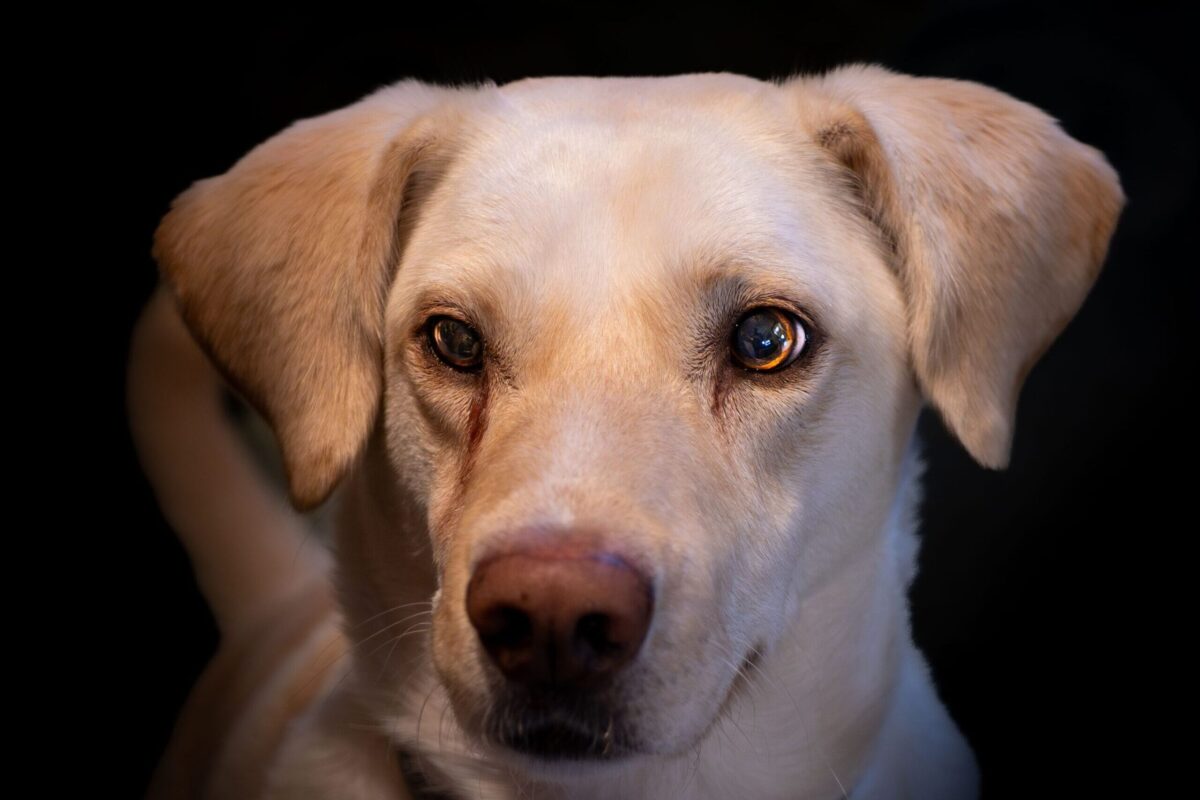
Eyes. A dog’s eyes should be clear and bright. Cloudiness, redness, discharge, squinting, pawing at the eye, or a sudden change in how your dog sees — bumping into furniture, hesitating in dim light — are all reasons to call the vet promptly. Eye problems can get worse fast, so don’t wait a week to see if it clears up.
Ears. A healthy ear is clean and doesn’t smell. Redness inside the ear, a dark discharge, a strong smell, head shaking, or a dog who cries when you touch his ear — these are the usual signs of an ear problem, and they’re worth a vet visit rather than a home remedy. Don’t put anything in your dog’s ear unless a vet has told you to.
Mouth. Bad breath that suddenly gets much worse, bleeding gums, a broken tooth, a swelling on the face or jaw, or a dog who drools much more than usual — all worth mentioning. Some drooling is normal for some breeds, but a sudden change in drooling is a change worth noting.
Toilet changes

Toilet habits are one of the most informative things you can watch, and one of the least pleasant. But a change in your dog’s toilet habits is often the first sign of a problem, and it’s worth paying attention to.
Urinating more, or less. A dog who needs to go out much more often than usual, who has accidents in the house after being reliably house-trained for years, who strains to urinate, or who produces very little urine — all of these are worth a vet call. A dog who can’t urinate at all is an emergency: call the vet straight away.
Blood in urine or stool. Any blood in your dog’s urine or stool is a reason to call the vet the same day. It may turn out to be something minor. But it’s never something to watch and wait on.
Stool changes. A stool that’s consistently very hard, very soft, very dark, very pale, or greasy-looking is worth mentioning, especially if the change lasts more than a few days. The occasional odd stool is normal. A pattern is information.
Accidents after years of being clean. A reliably house-trained dog who starts having accidents in the house isn’t being naughty. Something has changed — and it’s usually either a medical problem or anxiety. Rule out the medical side first, with a vet visit, before assuming it’s behavioural.
What to tell the vet

When you do call the vet, the clearer your description, the better the advice you’ll get. Vets make decisions from what you tell them, so a few notes before you call make a real difference.
When it started. “He’s been like this since Tuesday” is much more useful than “for a while.” If you can pin down the day, or even the morning or evening, do it.
What’s changed, exactly. Be specific. “He’s eating about half his usual food” is better than “he’s not eating well.” “He’s sleeping about three hours more than usual” is better than “he’s tired.”
What else is going on. Is he drinking normally? Is he vomiting? Has his stool changed? Is he moving normally? The vet will ask these questions, so having the answers ready saves time.
What he’s eaten. If there’s any chance your dog ate something he shouldn’t have — a sock, a toy, something from the bin, a medication, a food that isn’t safe for dogs — say so straight away. Don’t be embarrassed. Vets hear it every day, and the information could matter a great deal.
A photo or a short video. If the sign is something visible — a limp, a breathing pattern, a posture, a lump, a skin change — a short video or a photo taken on your phone can show the vet what words can’t. Most practices are happy to look at a video before deciding whether your dog needs to come in.
When it can’t wait
Most of the signs in this guide mean “call your vet promptly” — the same day, or the next morning. A few mean “call now, today, without waiting.” If you see any of these, don’t wait until tomorrow:
- Your dog collapses, can’t stand, or is very weak.
- He can’t breathe properly, or his gums look pale, blue, or very dark red.
- His belly is swollen and hard, and he’s retching without bringing anything up.
- He can’t urinate at all.
- He has had a seizure, or he has had more than one seizure in a day.
- He has eaten something poisonous — a medication, a cleaning product, a food known to be toxic to dogs, or a large amount of anything he shouldn’t have.
- He has been hit by a car, fallen from a height, or had any serious injury, even if he seems fine afterwards.
- He is bleeding heavily and it won’t stop.
If you’re not sure whether something is urgent, call the vet and ask. That’s what the phone is for. A vet practice would much rather take a call that turns out to be nothing than miss a call that turns out to be something. You’re not wasting their time. You’re doing exactly what a good owner does.
Frequently Asked Questions
My dog skipped one meal. Should I call the vet?
Probably not, if he’s otherwise himself — drinking, moving, and behaving normally. Offer his next meal as usual and see how he does. If he skips more than one meal, or if he’s also lethargic, vomiting, or has diarrhoea, call the vet.
How do I know if my dog is in pain?
Dogs rarely cry about pain. Look for the quieter signs: limping, stiffness, flinching when touched, licking one spot, hiding, a change in appetite, or a dog who won’t lie down comfortably. If your dog’s behaviour has changed and you can’t explain why, pain is one of the first things a vet will consider.
My older dog sleeps a lot. Is that a warning sign?
Older dogs do sleep more — that’s normal. The question is whether it’s a change. If your older dog has always slept fourteen hours a day and still does, that’s his normal. If he used to sleep ten hours and now sleeps eighteen, or if he’s hard to wake, or if the extra sleep came on suddenly, mention it to your vet. Gradual change with age is expected; sudden change is worth checking.
My dog vomited once and seems fine now. Do I need to do anything?
Offer a small amount of water, wait an hour, then offer a small bland meal. If he keeps it down and behaves normally, you can go back to his usual food the next day. If he vomits again, or if he won’t drink, or if he becomes lethargic, call the vet.
What if I can’t tell whether a lump is serious?
You can’t — and you don’t need to. That’s the vet’s job. A new lump should always be shown to a vet, because the only way to know what it is is to have it examined. Most lumps turn out to be harmless, but the ones that aren’t are caught by being looked at early.
My dog has started having accidents in the house. Is he being naughty?
Almost certainly not. A reliably house-trained dog who starts having accidents is usually telling you something has changed — and it’s often medical. Rule that out with a vet visit first, before assuming it’s a behaviour problem.
When should I call the vet instead of waiting to see?
Call the same day if your dog hasn’t eaten for a full day, if he’s vomiting or has diarrhoea for more than a day, if he’s drinking much more or much less than usual, if he’s suddenly lethargic, if he’s in pain, or if anything on the urgent list above applies. And if you’re unsure, call anyway — a vet practice would rather answer a question than miss a problem.