
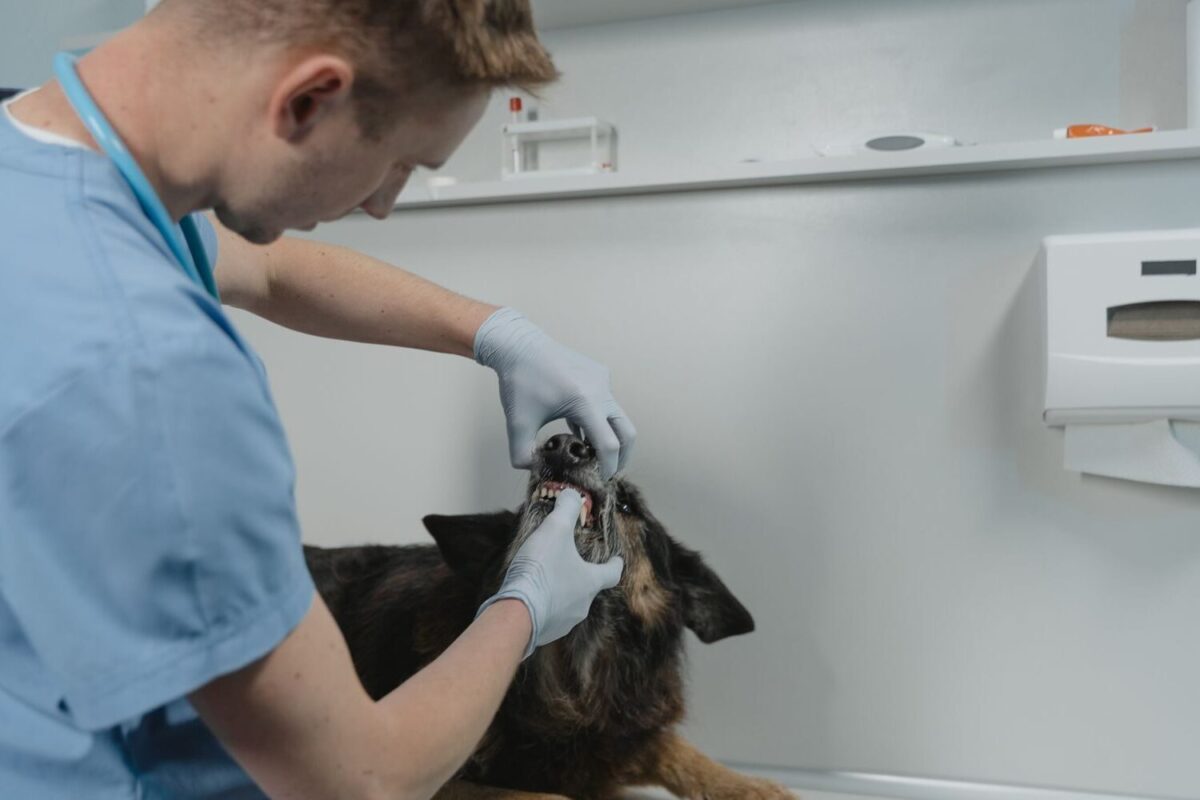
Most dog owners think about teeth only when something goes wrong — bad breath that suddenly gets worse, a dog who drops food, a tooth that looks broken. But a dog’s mouth is worth checking before it becomes a problem. Dental disease is one of the most common health issues vets see in dogs, and it’s also one of the easiest to catch early — if someone is actually looking.
A dental checkup is usually a short, calm appointment. It’s not a procedure, and it doesn’t hurt. It’s a look inside the mouth, a conversation about what the vet can see, and a plan for what to do next. This guide covers when a dental checkup is worth booking, what happens during one, how to prepare, and what the vet might suggest afterwards.
Why a dog’s teeth deserve their own checkup
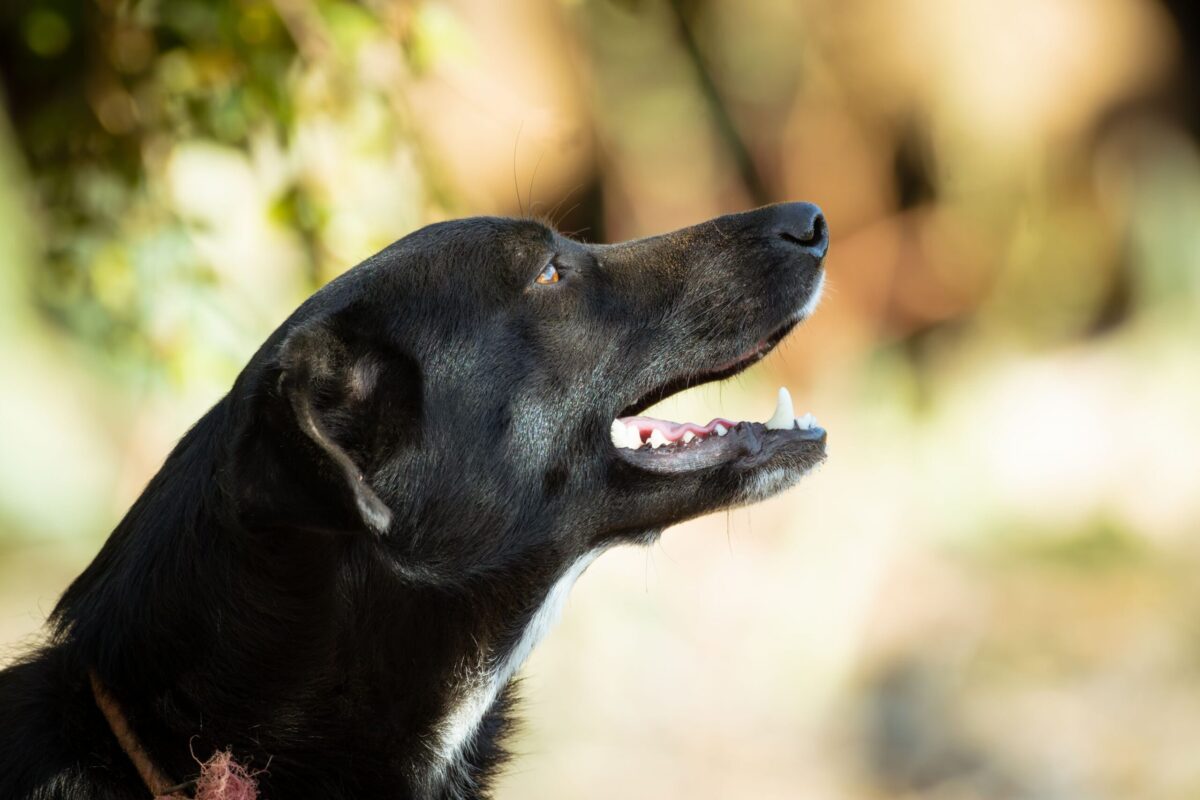
Dogs don’t brush their teeth — or at least, most of them don’t get theirs brushed as often as they should. Food debris and bacteria build up along the gum line, and over time that turns into plaque, then tartar, then inflamed gums. It’s a slow process, and for a long time there’s nothing obvious to see from the outside. The dog eats normally, plays normally, and seems fine.
That’s the problem. By the time a dog shows signs of dental trouble — dropping food, chewing on one side, pawing at his mouth, or breath that smells much worse than usual — the problem has usually been developing for a while. A dental checkup catches it at the stage where it’s still simple: some tartar to keep an eye on, a gum line that needs attention, a tooth worth watching.
Dental health also connects to the rest of the body. A mouth full of bacteria isn’t just a mouth problem — the bacteria can affect the gums, and inflamed gums can affect overall health. Vets take dental health seriously for that reason, not just because bad breath is unpleasant.
When should you book one?

A dental check isn’t a separate appointment for most dogs — it’s usually part of the regular checkup. When your vet lifts your dog’s lip and looks at his teeth during a routine visit, that’s a dental check. But there are times when a dedicated dental checkup is worth booking on its own.
Your dog is getting older. Dental problems become more common with age, and small breeds tend to develop them earlier than large ones. If your dog is over five, or if he’s a small breed, ask your vet to look at his teeth properly at the next visit. Our guide to senior dog vet visits explains what else changes as dogs age.
His breath has changed. All dogs have a certain smell to their breath. But breath that suddenly becomes much worse, or that smells different in a way you can’t quite place, is worth mentioning. It’s one of the earliest signs owners notice.
He’s eating differently. Dropping kibble, chewing on one side, taking longer over meals, or preferring soft food when he used to eat anything — these can all be signs that something in the mouth is uncomfortable.
You can see tartar or red gums. Lift his lip and look. Healthy gums are pink, not red, and the teeth should be mostly white, not brown along the edges. Brown or yellow buildup near the gum line is tartar, and red or swollen gums mean the area is irritated. You don’t need to diagnose anything — just notice it and mention it.
He’s never had his teeth properly looked at. If your dog has been to the vet for vaccinations and general checkups but nobody has ever really looked in his mouth, it’s worth asking for a proper dental look at the next visit.
Before the appointment

There’s not much to prepare for a dental checkup, but a few small things help.
Know what he’s eating. The vet will ask about diet, because diet affects dental health. Dry food, wet food, raw food, and chews all play a part. Write down what he eats in a typical day, including any dental chews or treats. Our guide to dental chews covers what to look for in a chew and what to avoid.
Note any changes you’ve seen. Has his breath changed? Is he dropping food? Does he paw at his face after eating? Has he stopped chewing his favourite toy? Write it down. In the consulting room, it’s easy to forget the small observations that matter most.
Don’t feed him right before the visit. A dog with a full stomach is a dog who’s less interested in treats, and the vet may want to offer one to keep him calm. A light meal a few hours before is fine — just not a big feed right before you leave.
Bring his usual treats. A dog who gets a treat during the exam is a dog who’ll be easier to examine next time. Bring a few small, soft treats the vet can offer while looking in his mouth.
What happens during the checkup
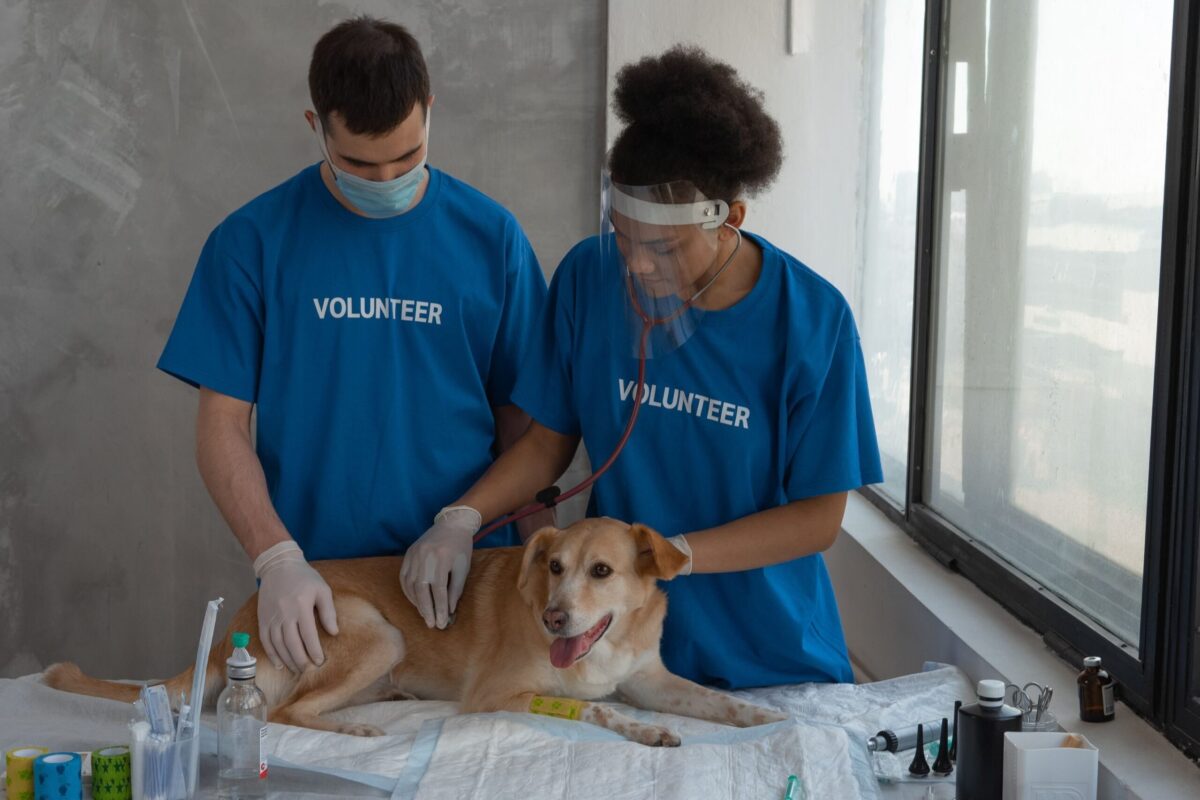
A dental checkup is calm and quick — usually ten to fifteen minutes, often as part of a longer appointment. Here’s what the vet typically does.
A look at the outside first. The vet will start by looking at your dog’s face and feeling along the jaw, checking for swelling, tenderness, or anything asymmetrical. Most dogs tolerate this easily — it’s just a gentle feel along the outside of the face.
Lifting the lip. The vet lifts the lip on each side and looks at the teeth and gums. They’re checking the colour of the gums, the amount of tartar, and whether any teeth are broken, loose, or missing. This is the part where your dog needs to hold still for a few seconds, and most dogs manage it with a treat in front of them.
Looking at the back teeth. The back teeth — the molars — are where tartar builds up most, and they’re the hardest to see. The vet will gently open the mouth or angle the head to get a look. If your dog won’t open his mouth, the vet may not be able to see everything, and that’s fine — a partial look is better than no look, and it tells the vet whether a deeper examination is needed.
Checking the tongue and the roof of the mouth. A quick look at the tongue and the palate is part of the check. The vet is looking for anything unusual — sores, growths, or discoloration. This takes seconds.
Feeling for loose teeth. The vet may gently check whether any teeth move. A loose tooth in an adult dog is a sign that something needs attention, and the vet will want to know how long it’s been like that.
A conversation about what they found. This is the most important part. The vet will explain what they saw, in plain language: how much tartar there is, whether the gums look healthy, whether any tooth needs watching, and what they’d suggest doing about it. Ask questions. If they use a word you don’t know, ask what it means. Understanding the state of your dog’s mouth is the whole point of the visit.
What the vet might suggest afterwards

Depending on what the checkup finds, the vet may suggest one of several next steps. None of these is a decision you have to make on the spot.
Nothing, just monitoring. If the teeth and gums look good, the vet may simply say to keep doing what you’re doing and to have another look at the next routine visit. That’s the best possible outcome, and it’s the most common one for younger dogs.
Home dental care. For mild tartar or early gum irritation, the vet may suggest starting or improving home care — brushing, dental chews, or a water additive. They’ll show you how to brush if you’ve never done it, and they’ll tell you which products are worth using and which ones are mostly marketing.
A professional dental clean. If there’s significant tartar buildup, the vet may suggest a professional clean. This is a procedure done under anaesthetic, because a dog can’t be expected to hold still while someone works on his teeth with instruments. The vet will explain what it involves, what the risks are, and what it costs — and you can take time to think about it. A professional clean is routine, but it’s still a procedure, and it’s right to ask questions about it.
Further investigation. If the vet finds something they’re unsure about — a tooth that looks damaged below the gum line, a lump, or an area that doesn’t look right — they may suggest an X-ray or a more detailed examination. Dental X-rays show what’s happening under the gum line, where the eye can’t see. Again, this is a suggestion, not an order, and the vet will explain why they think it’s worth doing.
A change of diet or chews. Sometimes the simplest suggestion is a change in what the dog eats or chews. Hard chews that are too hard can crack teeth; soft food can leave more residue. The vet may suggest a different type of chew or a change in feeding routine.
Brushing: the question everyone asks

If your vet suggests brushing your dog’s teeth, the first question most owners ask is whether it’s really necessary — and whether it’s really possible. The honest answer is that brushing is the single most effective thing you can do for your dog’s teeth at home, and that most dogs can be taught to accept it. The key is starting slowly.
A finger brush or a small soft toothbrush designed for dogs, plus a dog-specific toothpaste, is all you need. Human toothpaste is not suitable for dogs — it contains ingredients that shouldn’t be swallowed, and dogs do swallow it. Dog toothpaste comes in flavours dogs actually like, which helps.
Start by letting your dog lick the toothpaste off your finger. Then rub a little along the gum line with your finger. Then introduce the brush, just for a few seconds, on the easiest teeth to reach — the front ones. Build up gradually, a little more each day. The goal isn’t a perfect two-minute brush from day one. It’s a dog who lets you near his teeth without a struggle, and a routine you can actually keep up.
If brushing genuinely isn’t possible — your dog won’t tolerate it, or you can’t manage it — say so. The vet would rather know that than assume it’s happening. There are other options, including dental chews and diets designed for dental health, and the vet can talk through which ones are worth trying.
Signs to watch for between checkups

A dental checkup once a year is a good rhythm for most dogs, but the mouth can change between visits. These are the signs worth noticing at home:
- Breath that gets noticeably worse, or that smells different from your dog’s usual smell.
- Red or bleeding gums, especially if they bleed when your dog chews a toy.
- Brown or yellow buildup along the gum line that you can see when you lift the lip.
- A tooth that looks broken, chipped, or discoloured.
- Dropping food, chewing on one side, or taking much longer over meals.
- Pawing at the mouth or face, or rubbing the face on furniture after eating.
- A reluctance to chew hard things he used to enjoy.
- Swelling on one side of the face or under the jaw.
Any one of these is worth mentioning at the next visit, and several together are worth a call sooner. Don’t try to fix a dental problem at home — a sore mouth needs a vet’s look, not a home remedy.
Dental health by age
Puppies. Puppies lose their baby teeth between about four and six months, and the adult teeth come through. A little bleeding or a lost tooth found on the floor is normal during this stage. What isn’t normal is a baby tooth that stays put while the adult tooth grows in beside it — that’s worth mentioning to the vet, because retained baby teeth can crowd the adult teeth. Our guide to your puppy’s first week covers the early days, including what to expect as your puppy settles in.
Adult dogs. This is the maintenance phase. Regular checks, home care, and catching tartar before it becomes a bigger problem. Most adult dogs who get their teeth looked at once a year and have some form of home dental care keep healthy mouths for years.
Senior dogs. Older dogs are more likely to have dental disease, and they’re also the dogs for whom a sore mouth matters most — because eating well matters more when the rest of the body is slowing down. If your older dog is eating less or dropping food, his mouth is one of the first places to check. The vet will weigh up the benefits and risks of any procedure carefully for an older dog, and will talk you through it honestly.
Frequently Asked Questions
How often should my dog have a dental checkup? For most dogs, the teeth should be looked at at every routine vet visit — usually at least once a year. If your dog has had dental problems before, or if he’s a small breed or an older dog, your vet may want to check more often. Between visits, lift his lip every few weeks and have a look yourself.
Does my dog need a professional dental clean? It depends on what the vet finds. If there’s significant tartar buildup, inflamed gums, or a tooth that needs attention, a professional clean may be suggested. It’s done under anaesthetic, because a dog can’t hold still for dental work. Your vet will explain what it involves, what it costs, and why they think it’s needed — and you can take time to decide.
Can I brush my dog’s teeth myself? Yes, and it’s the most effective home dental care there is. Use a dog-specific toothbrush and dog toothpaste — never human toothpaste. Start slowly: let him lick the toothpaste, then rub it along the gum line with your finger, then introduce the brush for a few seconds at a time. Build up gradually. If brushing isn’t possible for your dog, ask your vet about alternatives such as dental chews or dental diets.
My dog’s breath smells terrible. Is that normal? All dogs have a certain smell to their breath, but breath that suddenly gets much worse, or that smells very different from usual, is worth mentioning to your vet. It can be a sign of tartar buildup, gum irritation, or a tooth problem — and it’s one of the earliest signs owners tend to notice.
What if my dog won’t let anyone look in his mouth? Tell the vet. They’ve seen it before, and they have ways of working with a reluctant dog — treats, patience, and a calm approach. If a full look isn’t possible in the consulting room, the vet will do what they can and may suggest a different approach. Don’t try to force your dog’s mouth open at home; that’s a good way to get bitten and to make him more wary next time.
Are dental chews enough on their own? Dental chews help, especially the ones that are properly designed for the job, but they’re not a substitute for brushing or for a vet’s look at the teeth. Think of them as part of a routine, not the whole routine. Your vet can tell you which chews are worth the money and which ones are mostly marketing.
My puppy is losing teeth. Is that normal? Yes. Puppies lose their baby teeth between about four and six months, and it’s normal to find a small tooth on the floor or to notice a little bleeding. What’s worth mentioning to the vet is a baby tooth that stays in place while the adult tooth grows in beside it, or a puppy who seems in pain while teething.