

People think rabbits are silent pets. They are not. They are quiet compared to a dog, but a rabbit that trusts you makes a whole range of sounds, and each one means something quite specific. The trick is that rabbit sounds only make sense with the body attached. A honk from a rabbit circling your feet means something completely different from a honk from a rabbit backed into a corner. Sound plus body is the sentence. Sound alone is just a word out of context.
If you have just brought a rabbit home and it seems silent, give it time. Most rabbits go quiet in a new place, and the sounds start once they feel safe. A rabbit that makes no sound at all in its first week is not broken. It is settling in.
Honking: the happy, slightly ridiculous sound
Honking is the sound most rabbit owners meet first, and it is the funniest. It is a soft, short honk, somewhere between a grunt and a squeak, and it usually comes with circling. A rabbit honks when it is excited and pleased, most often around a favourite person, at feeding time, or when it is feeling amorous toward another rabbit, a toy, or your ankle.
The circling matters. A rabbit that honks while running circles around your feet is showing affection and excitement, sometimes courtship behaviour. It is not aggression, even though it looks frantic. The classic version is the rabbit that honks its way around the room every evening when you come home, then flops down for a stroke. That is a rabbit saying hello in the only way it knows how.
Honking only becomes something to think about when it changes. A rabbit that suddenly starts honking constantly, or honks with laboured breathing, or honks and then goes quiet and withdrawn, is a different picture — but honking on its own, in a bright, active rabbit, is one of the happiest sounds a rabbit makes.
Buzzing and humming: contentment, with a catch

Buzzing is a quieter cousin of honking. It is a low, vibrating hum a rabbit makes when it is content — often while being stroked, while settling down for a nap, or while sitting near a rabbit it likes. Some owners only notice it when they are holding their rabbit close and feel the vibration as much as hear it.
Here is the catch: buzzing and honking overlap with courtship behaviour. An unneutered male rabbit, in particular, will buzz and circle around anything it has decided it likes, including your feet, a cushion, or another rabbit. That is normal, but it is also a reason neutering is so often recommended — it takes the frantic edge off the behaviour and leaves the contented version behind.
If your rabbit buzzes while you stroke it and then melts into a loaf or a flop, that is contentment, plain and simple. Enjoy it. It is one of the few times a prey animal lets its guard all the way down.
Grunting and growling: back off, politely
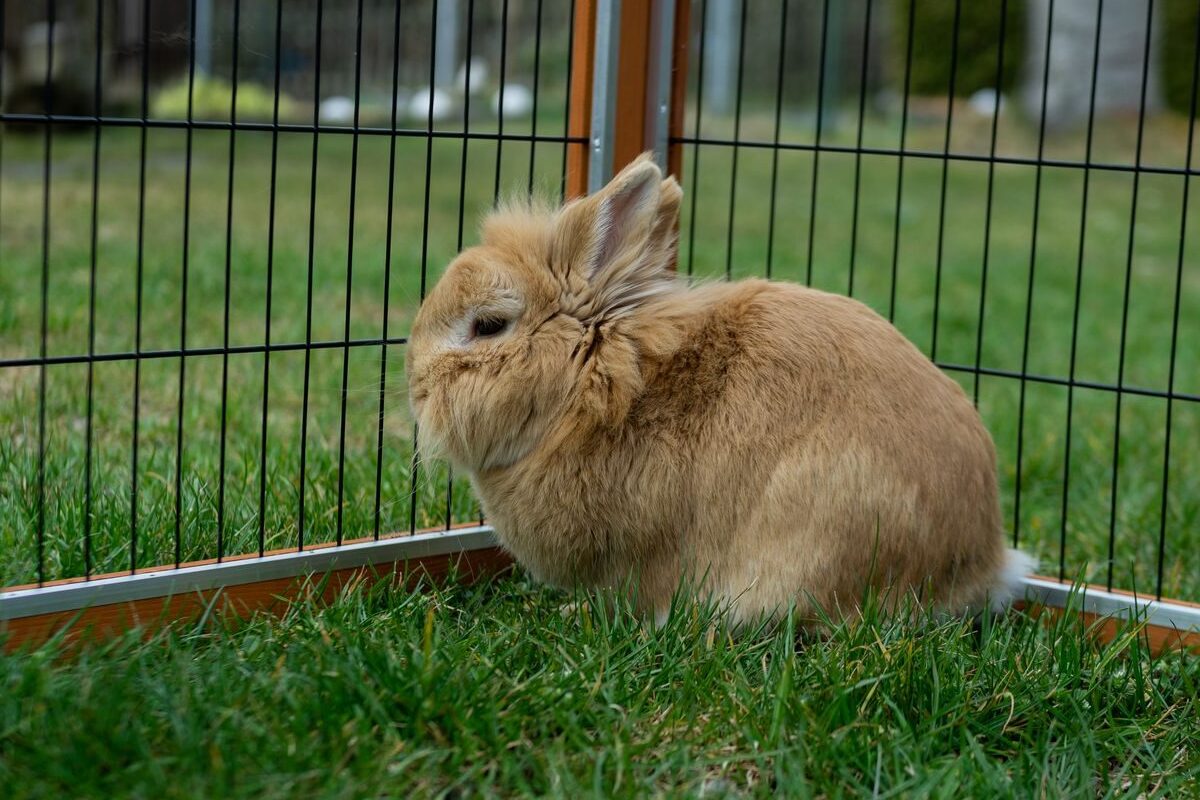
Grunting is the sound of a rabbit that is annoyed, and growling is the sound of a rabbit that is annoyed and means it. Both are low, throaty sounds, and both usually come with a body that has gone stiff, ears back, and a tail up. A rabbit grunts when you reach into its space, move its food bowl, or try to pick it up when it does not want to be picked up. It is a warning, and it deserves respect.
The most common grunting situation is territorial. Rabbits are very attached to their own space, and a rabbit that has decided its hutch or pen is its territory will grunt at hands that come in to clean it. That is not a bad rabbit. That is a rabbit doing what rabbits do. The fix is practical: clean the space when the rabbit is out exercising, approach from the side rather than from above, and let the rabbit come to you instead of reaching in after it.
Growling is a step further. A growling rabbit may lunge or box with its front paws, and it can give a surprisingly sharp nip. Do not punish it. A rabbit that growls has already told you it is frightened or frustrated, and punishment only confirms that hands are something to fear. Back off, give it space, and work on trust at the rabbit’s pace — food offered by hand, quiet time on the floor, no grabbing.
Tooth purring versus tooth grinding: the pair everyone mixes up

This is the distinction every rabbit owner needs to learn, because the two sounds are similar and their meanings are opposite.
Tooth purring is soft and gentle — a quiet, rhythmic rubbing of the teeth that a rabbit makes when it is relaxed, often while being stroked. You sometimes feel it as much as hear it, a faint vibration under your hand. A rabbit that tooth-purrs during a stroke is content.
Tooth grinding is louder, harsher, and usually comes with a hunched body, a rabbit sitting still and not eating, or eyes half-closed in a way that looks like pain rather than sleep. Loud grinding is one of the clearest signs a rabbit is in discomfort, and it is worth a prompt call to your vet, especially if it comes with not eating or not passing droppings. Rabbits hide illness well, so a sound change like this is valuable information, not something to wait out.
If you are unsure which one you are hearing, look at the body. Relaxed body, soft eyes, purring during a stroke: contentment. Hunched body, stillness, not eating: call the vet. The body tells you which sound it is.
The sounds that mean trouble right now
Two rabbit sounds need immediate attention. The first is screaming. A rabbit scream is a high, loud, distressing sound, and it is rare — rabbits scream when they are in severe pain or terrified, for example if a predator has grabbed them. If you hear it, check on the rabbit at once and call your vet if there is any sign of injury or if the rabbit is in shock.
The second is not a sound at all: sudden silence from a rabbit that is normally vocal, combined with not eating, not moving, or sitting hunched for hours. Rabbits are prey animals, and going quiet and still is how they cope with feeling unwell. A rabbit that has stopped making its usual sounds and stopped eating is telling you something is wrong, even without making a noise about it.
Neither of these means panic. Both mean act: check the rabbit, keep it warm and quiet, and call your vet for advice rather than waiting to see if it passes.
Learning your own rabbit’s voice
Every rabbit has its own sound palette. Some honk constantly, some almost never do. Some buzz when stroked, some grunt at anyone who opens the pen door. The sounds above are the common vocabulary, but your rabbit will have its own habits, and learning them takes a few weeks of just paying attention.
The habit that helps most is pairing sound with context. When your rabbit makes a sound, notice what was happening: feeding time, a stranger in the room, another rabbit nearby, a hand reaching in. After a few weeks you will know your rabbit’s sounds the way you know a friend’s laugh — not from a list, but from living with them. And that is when rabbit sounds stop being a mystery and start being a conversation.
Frequently Asked Questions
Why does my rabbit honk at me?
Usually excitement and affection. Honking often comes with circling your feet, especially at feeding time or when you come home. It is a happy sound in a bright, active rabbit.
What is the difference between tooth purring and tooth grinding?
Tooth purring is soft, gentle, and happens when a rabbit is relaxed, often during stroking. Tooth grinding is louder and harsher, usually with a hunched body and not eating, and it can mean pain — that one is worth a vet call.
Why does my rabbit grunt when I reach into its pen?
Rabbits are territorial about their own space, and grunting is a warning to back off. Clean the pen while the rabbit is out, approach from the side, and let the rabbit come to you rather than reaching in after it.
Is buzzing a happy sound?
Usually yes — a low hum while being stroked or settling down means contentment. Buzzing can also be part of courtship behaviour, especially in unneutered males, which is normal but more frantic.
When should rabbit sounds worry me?
A scream needs immediate attention. Loud tooth grinding, or sudden silence combined with not eating and sitting hunched, also needs a prompt vet call. Rabbits hide illness well, so a change in sounds is useful information.
Related reading
- Rabbit Body Language: A Complete Guide to What Your Bunny Is Telling You
- Why Do Rabbits Thump? Warnings, Joy and Foot Drumming
- Why Do Rabbits Binky? Joy, Zoomies and What It Means
- What Do Rabbits Eat? The Complete Diet, Hay and Treats Guide
Sources
- RSPCA — Pet rabbits: behaviour and welfare
- House Rabbit Society — Rabbit sounds and what they mean
- Rabbit Welfare Association — Understanding rabbit behaviour