
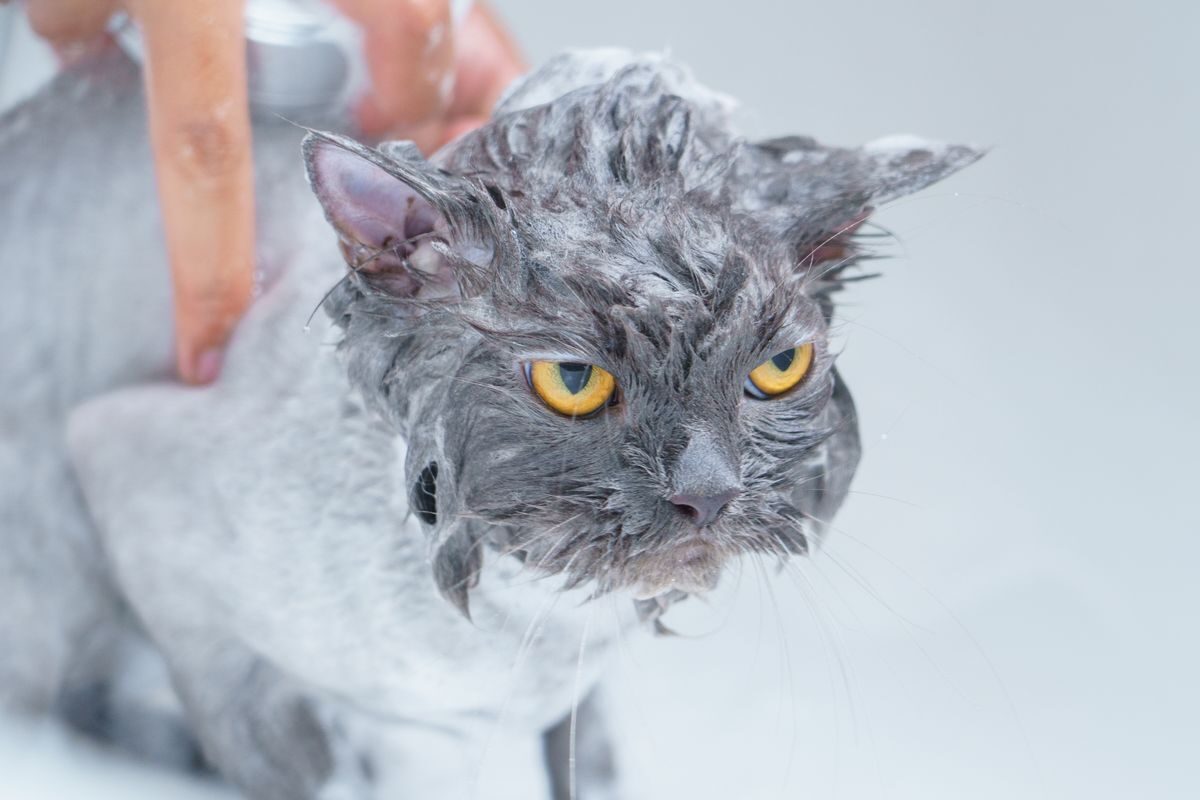
Here’s the honest answer first: most cats almost never need a bath. Your cat spends a good part of every day grooming herself, and she’s very good at it. Her tongue, her teeth, and her flexibility do a better job of keeping her coat clean than a bath ever will.
But “almost never” isn’t “never.” Some cats do need baths — sometimes regularly, sometimes just once in a while. A cat who has rolled in something unpleasant, a long-haired cat whose coat has matted, an older cat who can’t groom properly any more, a cat with a skin condition that the vet wants treated with a medicated wash — these are all real reasons to bathe a cat.
This guide covers how often different cats actually need a bath, when a bath is worth the stress, when it’s not, and how to do it in the way that causes the least upset for both of you.
The short answer: it depends on the cat
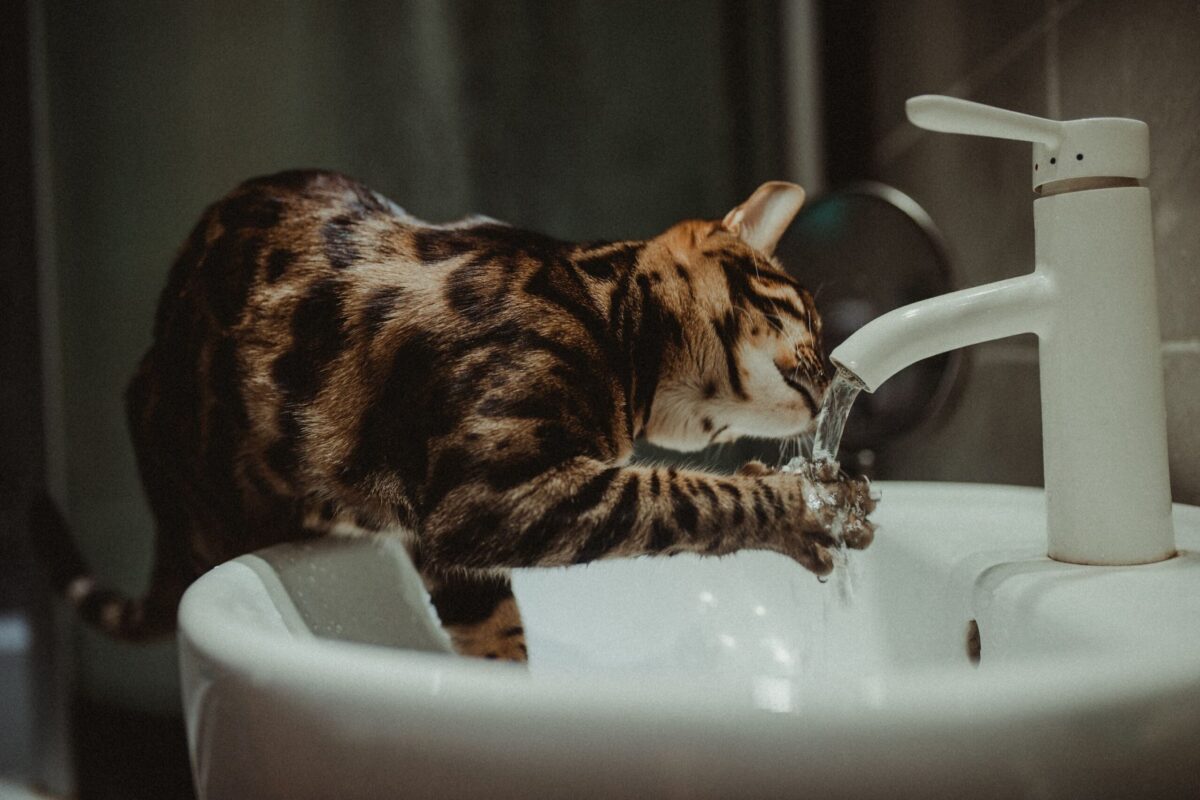
There’s no single number that works for every cat, because cats vary so much. But as a rough guide:
- A healthy short-haired indoor cat: rarely or never. A bath only when she’s gotten into something she can’t clean off herself.
- A healthy long-haired cat: every few months, or whenever the coat starts to mat despite regular brushing — which is usually the real issue.
- An outdoor cat: a few times a year, or when she comes home dirty, oily, or smelling of something unpleasant.
- A cat with a skin condition: as often as your vet advises, which may be weekly for a period.
- A senior or overweight cat: when she can no longer reach parts of her own coat, and the fur starts to look greasy or matted.
If none of those apply to your cat, the honest answer is that she probably doesn’t need a bath at all. Brushing is almost always the better tool — it removes loose fur, distributes the natural oils in the coat, and prevents the mats that make people think a bath is needed.
Why most cats don’t need baths
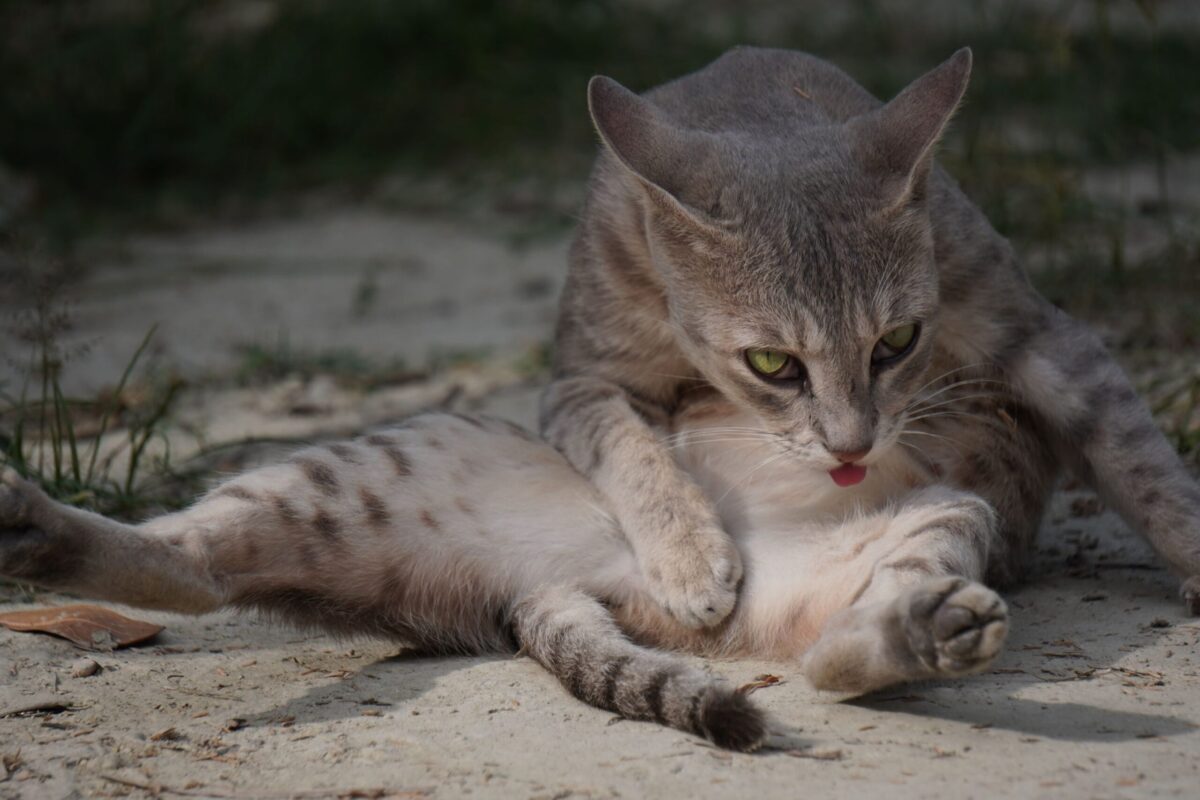
Cats are self-cleaning in a way dogs simply aren’t. A cat’s tongue is covered in tiny, backward-facing spines that act like a comb, pulling out loose fur and dirt. She can reach almost every part of her own body, and she does it for hours a day. It’s one of the most thorough grooming routines in the animal kingdom.
Bathing a cat who doesn’t need it has real downsides. It strips the natural oils from the coat, which can leave the skin dry and the fur looking dull. It stresses the cat — and a stressed cat can stop eating, hide for hours, or become wary of you for a while. And it risks water in the ears, soap in the eyes, and a wet, chilled cat if the drying isn’t thorough.
So the starting point should always be: does she actually need this? If the answer is no, skip the bath and brush her instead.
When a bath is genuinely worth it
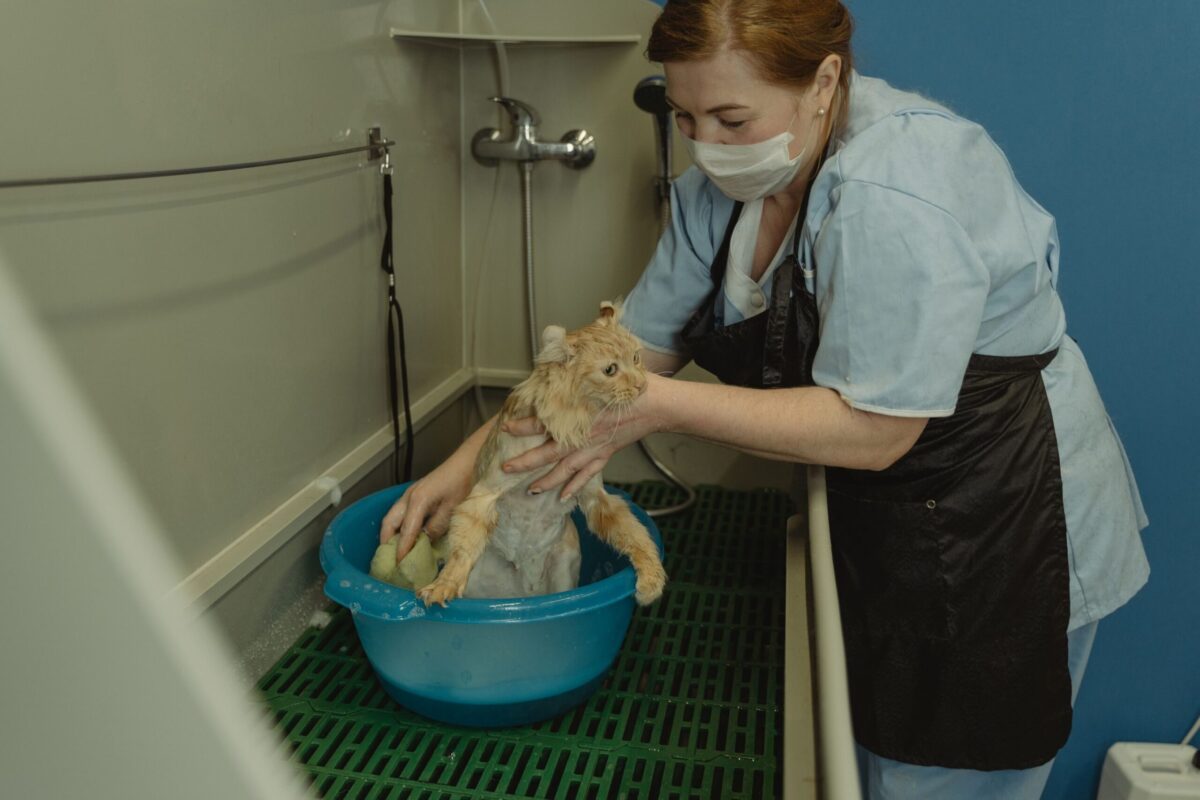
There are clear situations where a bath is the right call.
She’s gotten into something she can’t clean off. Paint, oil, grease, something sticky, or something potentially toxic. If she’s rolled in a substance that could be harmful if she licks it off — and cats lick everything off — a bath isn’t optional. It’s urgent. If you suspect the substance is toxic, call your vet first for advice on how to handle it.
Her coat is matted and brushing can’t fix it. Mats pull on the skin, trap moisture, and can hide skin problems underneath. If brushing can’t work through the mat without hurting her, a bath with a conditioner can sometimes loosen it — though badly matted fur may need to be carefully trimmed by a groomer or a vet instead. Regular brushing is what prevents this in the first place. Our guide to grooming a long-haired cat explains how to keep a long coat mat-free without frequent baths.
She can’t groom herself properly any more. Older cats, overweight cats, and cats with arthritis often can’t reach their backs, their bellies, or the base of their tails. The fur in those spots becomes greasy and matted, and the skin underneath can get sore. A gentle bath — or even a wipe-down with a damp cloth — helps where she can’t help herself.
Your vet has recommended it. Some skin conditions are treated with medicated shampoos, and your vet may ask you to bathe the cat on a schedule — sometimes once a week for a few weeks. In that case, follow the vet’s instructions, including which product to use and how long to leave it on.
She smells, and brushing doesn’t fix it. An outdoor cat who comes home smelling of something unpleasant, or a cat who has had a run-in with something messy, may need a bath even if the coat looks fine. Use your judgement — and your nose.
How often, by coat type

Short-haired cats. Most short-haired cats need a bath only a few times in their lives — when they get into something, or when they’re older and can’t groom well. Once or twice a year at most, and often never.
Medium-haired cats. Every few months, or when the coat starts to look greasy or the fur clumps together despite brushing. For many medium-haired cats, a bath every three to four months is more than enough.
Long-haired cats. These are the cats most likely to need regular baths, because their coats mat easily and trap dirt. Every one to three months is a common rhythm, but regular brushing matters more than the bath itself — a long-haired cat who is brushed properly may need far fewer baths than one who isn’t.
Hairless cats. Sphynx and other hairless breeds are the exception to almost everything in this guide. Without fur to absorb the skin’s natural oils, they build up grease on their skin and usually need a bath every one to two weeks. If you have a hairless cat, your vet or breeder can advise on the right routine and products.
Signs your cat needs a bath (and signs she doesn’t)
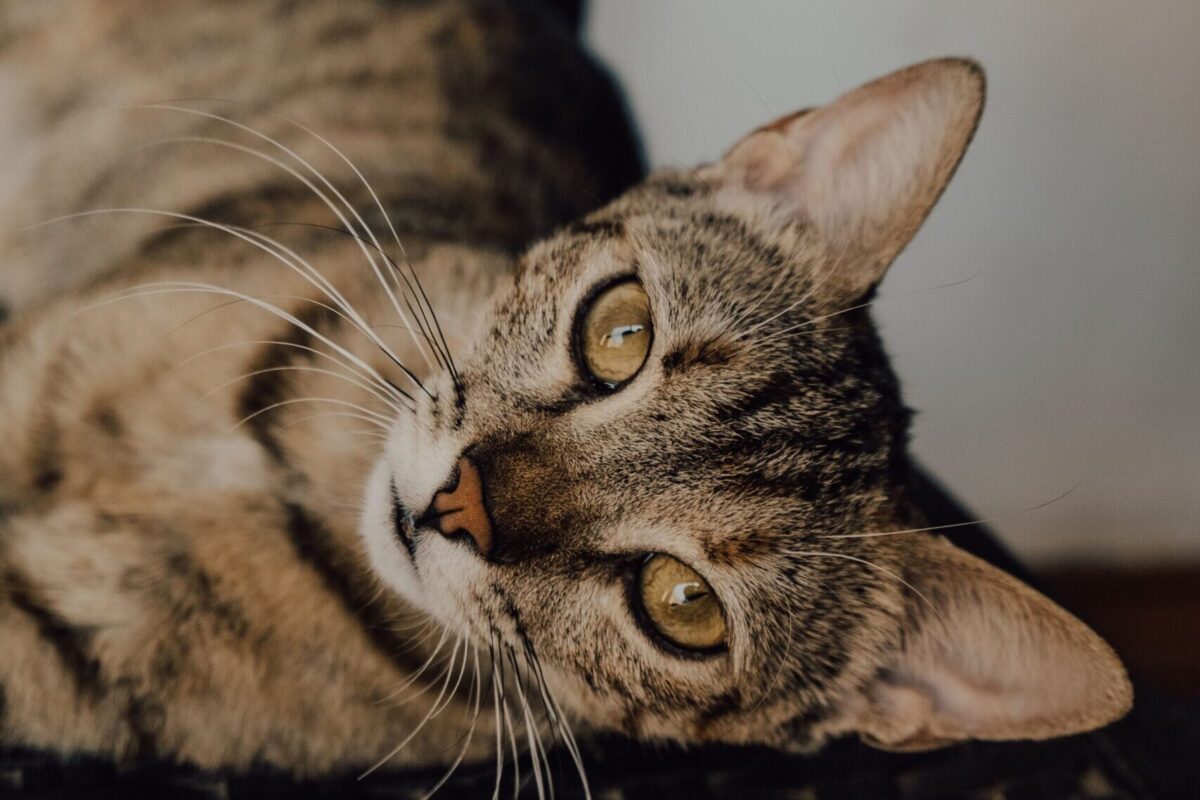
She probably needs one if: her coat is greasy or clumped together, she has mats that brushing won’t shift, she smells unpleasant, she’s gotten into something sticky or dirty, or she can no longer groom parts of her own body.
She probably doesn’t need one if: her coat is clean and smooth, she grooms herself regularly, she smells like nothing much, and you’re bathing her because it feels like something a responsible owner should do. Cats don’t need baths on a schedule for hygiene — they handle that themselves.
She definitely shouldn’t be bathed right now if: she’s just had surgery, she’s unwell, she’s very stressed, or she’s a very young kitten. In all of those cases, talk to your vet first.
How to bathe a cat with less stress
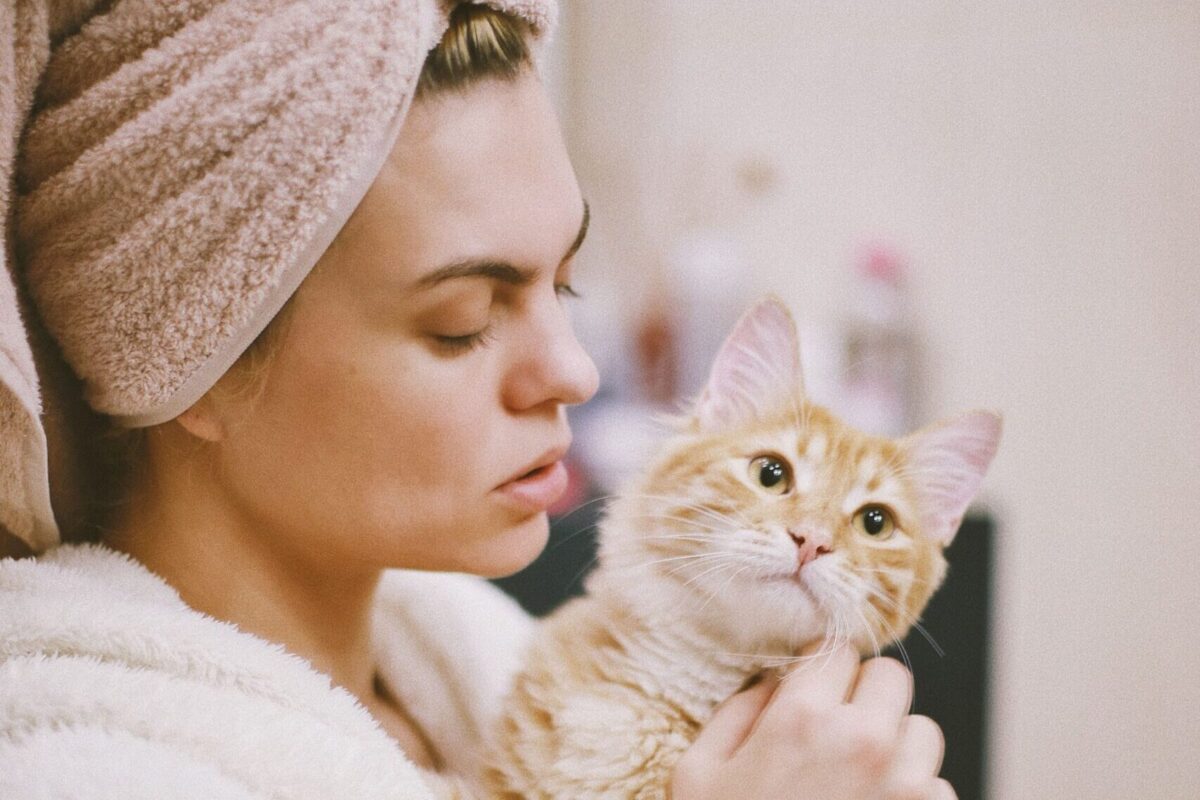
If a bath is needed, the way you do it matters as much as whether you do it. Most cats hate baths because they’re sudden, cold, noisy, and involve being held still in water. Almost every part of that can be improved.
Prepare everything first. Shampoo, towels, a cup or jug for pouring water, and a non-slip mat for the bath or sink. You don’t want to leave a wet cat alone to go and find something.
Use a cat-specific shampoo. Human shampoo and dog shampoo are the wrong pH for a cat’s skin and can cause irritation. Use a shampoo made for cats — a gentle, fragrance-free one is the safest choice. Our guide to cat shampoos covers how to choose one and what to avoid.
Use warm water, not hot. Lukewarm is right — test it on the inside of your wrist, the way you would for a baby. Fill the sink or bath with just a few centimetres of water before you bring the cat in, so the sound of running water doesn’t add to the stress.
Stay calm and move slowly. Talk to her in a normal voice. Wet her body gradually, starting from the neck down — avoid the head and ears entirely. Pour water gently with a cup or jug rather than using a shower head, which most cats find frightening.
Lather gently, rinse thoroughly. Work the shampoo through the coat with your hands, not a brush. Rinse until the water runs clear — leftover shampoo irritates the skin and makes the coat look dull.
Dry her properly. Wrap her in a towel and pat her dry. Don’t rub hard — that tangles the coat. Keep her in a warm room until she’s dry, and don’t let her outside until her coat is completely dry. A hairdryer on the lowest, coolest setting can work for cats who tolerate it, but most don’t, and a towel is usually enough.
Reward her afterwards. A treat, a quiet cuddle, a warm spot to sleep in. You want the bath to end on a good note, so the next one — if there is one — is a little less frightening.
Know when to stop. If your cat is panicking — thrashing, screaming, scratching — stop. Dry her off and try another day, or ask a groomer or your vet for help. A bath that traumatises the cat isn’t worth it, and a professional groomer has the equipment and experience to do it faster and more calmly.
Alternatives to a full bath

A full bath isn’t always necessary. For many situations, a lighter approach works just as well.
A damp cloth. For a cat who is mostly clean but has a dirty patch, a warm damp cloth is often enough. Wipe the area gently, and let her groom the rest.
Waterless cat shampoo or grooming wipes. These are useful for a quick clean between baths, or for a cat who can’t tolerate water at all. They’re not a substitute for a real bath when one is needed, but they’re good for maintenance.
Brushing. The single most useful alternative. Regular brushing removes dirt, loose fur, and the beginnings of mats, and it distributes the coat’s natural oils. For most cats, brushing two or three times a week does more for the coat than any number of baths.
A groomer. If your cat’s coat is badly matted, or if bathing her at home is genuinely dangerous — for you or for her — a professional groomer is the right call. They have the tools, the tables, and the experience to handle a frightened cat safely. It’s not a failure to ask for help; it’s good sense.
Bathing a kitten

Kittens under about eight weeks old should not be bathed unless a vet advises it — they can’t regulate their body temperature well, and getting chilled is a real risk. If a young kitten gets dirty, a warm damp cloth is the safer option.
Older kittens can be bathed if needed, but keep it brief, keep the water warm, and dry them thoroughly afterwards. A kitten who has a calm first bath is much more likely to tolerate baths as an adult — so if you think your kitten may need baths in future, a gentle early introduction helps.
If your kitten is new to your home, our guide to how to socialize a kitten covers the early weeks, including how to introduce new experiences — like water — in a way that builds confidence rather than fear.
When to ask your vet
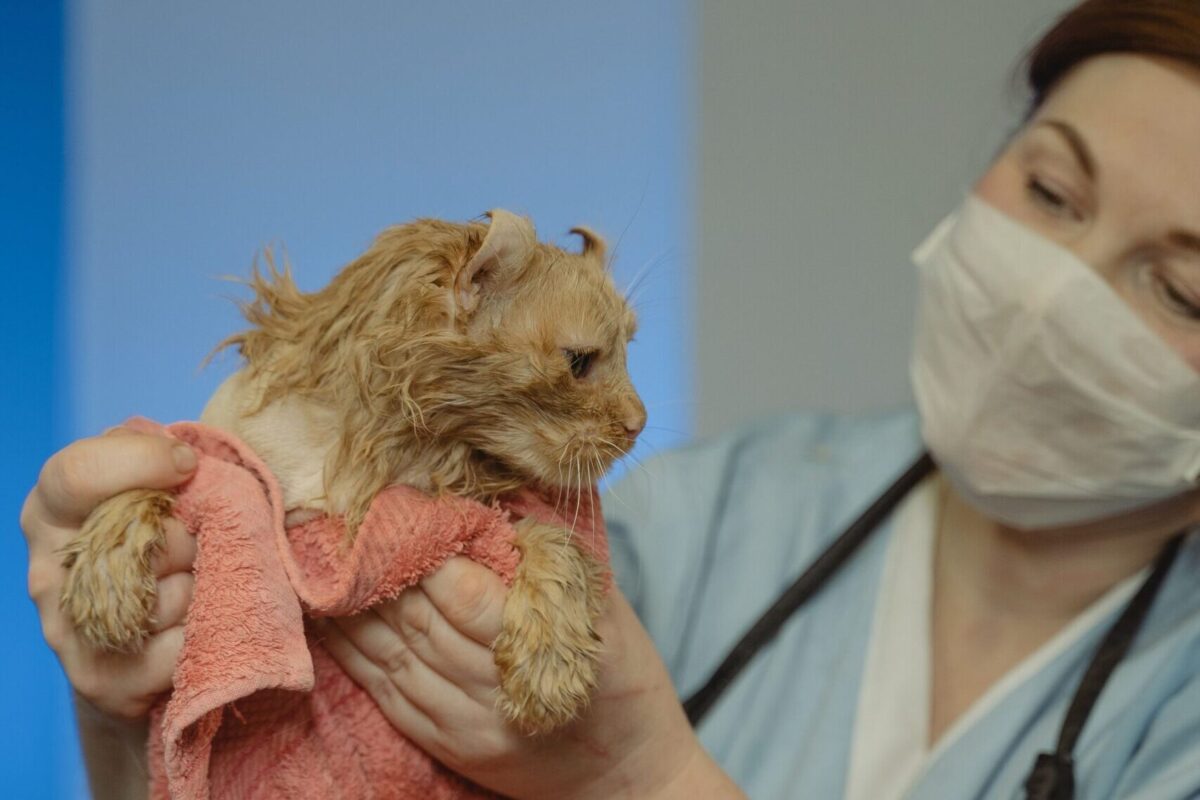
A bath is a grooming question most of the time, but a few situations belong to the vet.
- A skin condition that doesn’t improve with the baths your vet recommended, or that seems to be getting worse.
- Mats that are tight against the skin, especially if the skin underneath looks red, sore, or smelly. Cutting mats out at home risks cutting the skin.
- A cat who has stopped grooming entirely. That’s often a sign of pain, illness, or distress, and it deserves a vet visit rather than a bath.
- A cat who needs frequent medicated baths. Your vet should be guiding the product, the frequency, and how long the treatment continues.
If your cat has started showing warning signs that suggest she’s unwell — eating less, hiding more, changes in the litter box — our guide to warning signs in cats explains which ones mean a prompt call to the vet.
Frequently Asked Questions
How often should you bathe a cat?
Most healthy cats rarely need a bath — a short-haired indoor cat may never need one at all. Long-haired cats usually need a bath every one to three months, or whenever the coat mats despite regular brushing. Outdoor cats need one when they come home dirty. Hairless breeds are the exception and usually need a bath every one to two weeks. Brushing matters more than bathing for most cats.
Do indoor cats need baths?
Usually not. An indoor cat who grooms herself normally, has a clean coat, and hasn’t gotten into anything messy doesn’t need a bath. A bath is worth doing when she’s gotten into something she can’t clean off, when her coat is matted, or when age or weight stops her grooming properly. Otherwise, regular brushing is enough.
Can I use human shampoo on my cat?
No. Human shampoo is the wrong pH for a cat’s skin and can cause dryness and irritation. Dog shampoo isn’t right either. Use a shampoo made specifically for cats — a gentle, fragrance-free one is the safest choice. If your vet has recommended a medicated shampoo, use that one and follow their instructions.
My cat hates baths. What can I do instead?
Try a warm damp cloth for spot cleaning, waterless cat shampoo or grooming wipes for a quick freshen-up, and regular brushing to keep the coat clean and mat-free. If a full bath is genuinely needed and your cat panics, a professional groomer is the safest option — they have the equipment and experience to do it quickly and calmly.
Is it bad to bathe a cat too often?
Yes. Frequent bathing strips the natural oils from the coat and skin, which can leave the skin dry and irritated and the fur looking dull. It also stresses the cat, and a stressed cat may stop eating or hide for hours afterwards. Unless your vet has advised a schedule — for a skin condition, for example — bathe only when there’s a real reason.
How do I bathe a cat who has never had a bath?
Go slowly. Prepare everything first, use lukewarm water in a shallow sink or bath, and wet her body gradually with a cup or jug — never a shower head, and never the head or ears. Use a cat-specific shampoo, rinse thoroughly, towel dry, and keep her warm until she’s completely dry. If she panics, stop and try another day, or ask a groomer for help.