
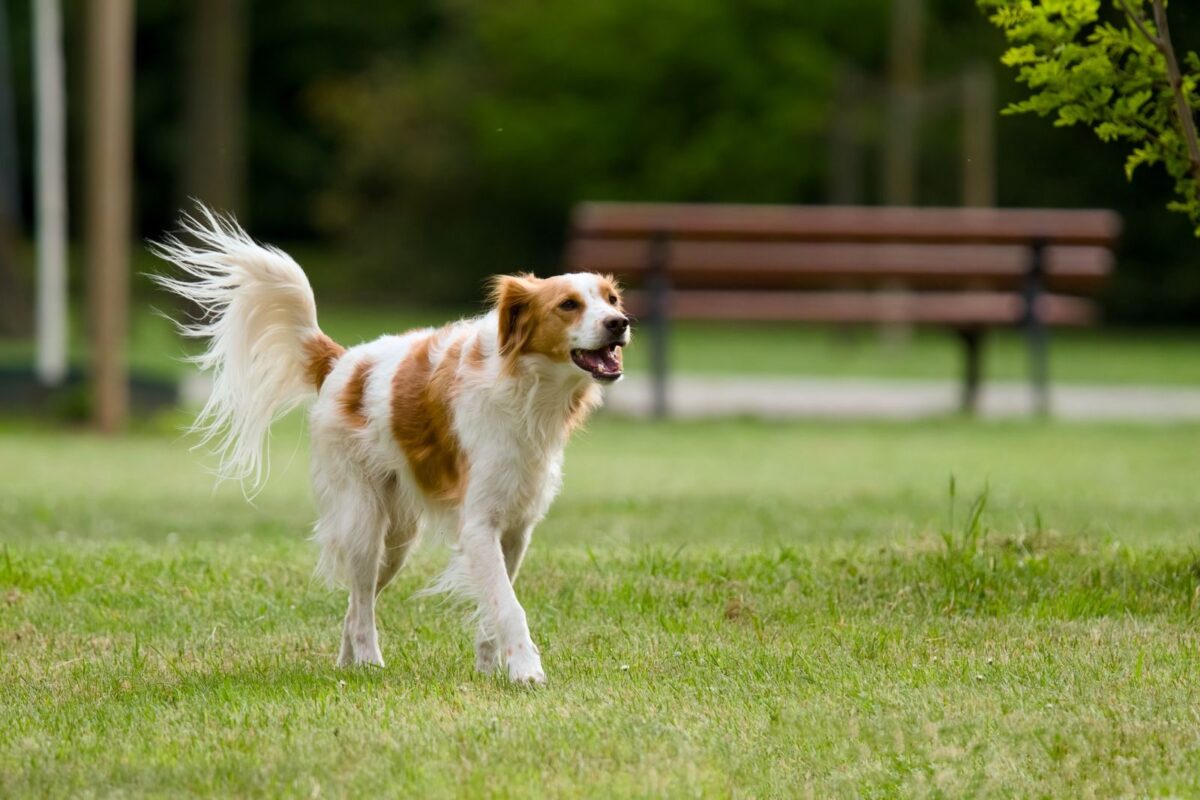
Recall — your dog coming to you when you call — is the single most useful thing a dog can learn. It’s the difference between a dog who can run free in a park and a dog who has to stay on a lead forever. It’s what keeps your dog safe when he spots something interesting across a road, or when another dog appears out of nowhere.
It’s also the thing most owners get wrong, usually in the same way: they call the dog, the dog doesn’t come, they call louder, the dog still doesn’t come, and everyone ends up frustrated. The dog learns that “come” is a sound that sometimes means something and sometimes doesn’t. The owner learns that the dog is stubborn. Nobody is right, and nobody is learning anything.
The truth is that recall is easy to teach and hard to rush. It takes patience, consistency, and a willingness to make coming to you the best thing that can happen to your dog. This guide covers the method that works — step by step, from the first call in your living room to a reliable recall in the park.
The short answer: make coming to you the best deal in the world
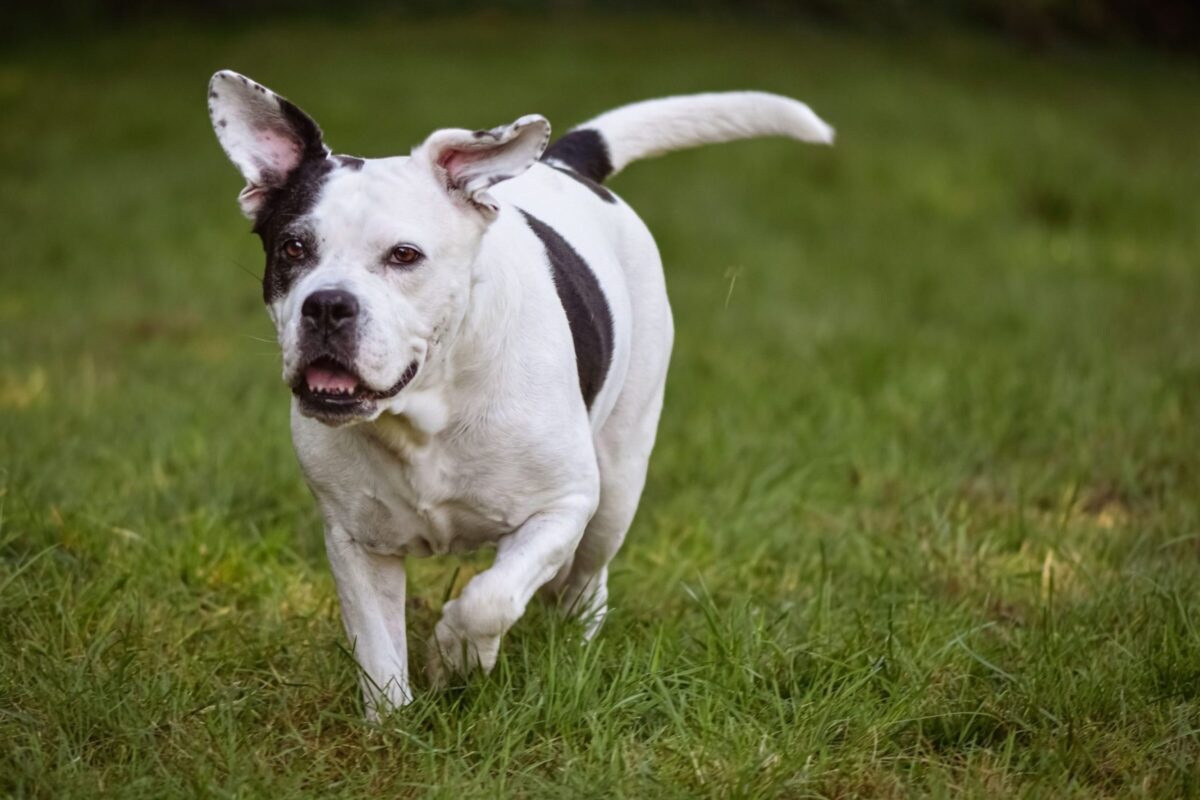
Dogs do what pays. If coming to you earns something wonderful — a treat, a game, a fuss — your dog will come to you. If coming to you earns nothing, or earns something unpleasant like the end of a walk or a bath, your dog will think twice. It’s that simple.
The whole of recall training is built on that one idea. Your job is to make the word “come” mean “something great is about to happen,” and to make it mean that so consistently that your dog doesn’t need to think about it. He hears the word, and he comes — because coming has always, always been worth it.
That means two rules from the very start. First: never call your dog to you for something he doesn’t like. If you need to give him a bath, cut his nails, or end a walk, go and get him — don’t call him. If “come” starts to mean “the fun is over,” he’ll stop coming. Second: never punish a dog for coming slowly. If he takes thirty seconds to wander over to you and you scold him for it, you’ve just taught him that coming to you gets him in trouble. Reward the arrival, however slow it was.
Pick your word — and stick to it

The recall word can be anything: “come,” “here,” “to me,” or a whistle. What matters is that it’s the same word every time, used only for recall, and said in the same cheerful tone.
Don’t use your dog’s name as the recall word. His name is for getting his attention; the recall word is for telling him what to do. Use his name to get him to look at you, then the recall word to call him in.
And don’t repeat the word. Say it once, clearly and cheerfully. If you say “come, come, come, come, COME” every time, your dog learns that the word doesn’t really count until the fifth time, said loudly. One word, one time. If he doesn’t come, go and get him calmly — don’t stand there repeating yourself. The word only keeps its power if it’s used once and it means something.
Step 1: indoors, close range

Start in your living room, with no distractions. Have some very good treats ready — not his ordinary kibble, but something he really loves: small pieces of chicken, cheese, or whatever makes his eyes light up. The treats need to be good enough that coming to you is worth interrupting whatever he’s doing.
Wait until your dog is a few steps away from you, not looking at you. Say the recall word once, in a bright, happy voice. The moment he turns toward you, praise him. When he reaches you, give him the treat — and make it a good one. Then let him go again. That’s it. That’s the whole exercise.
Do this five or six times, then stop. Short sessions are better than long ones. A dog who has had six successful recalls in five minutes has learned something. A dog who has been drilled for half an hour has learned that training is boring.
Repeat this over several days. Your dog should be coming to you quickly and happily indoors before you move on. If he’s not, the treats aren’t good enough, or the sessions are too long, or you’re calling him when he’s in the middle of something much more interesting. Fix the setup, not the dog.
Step 2: indoors, more distance
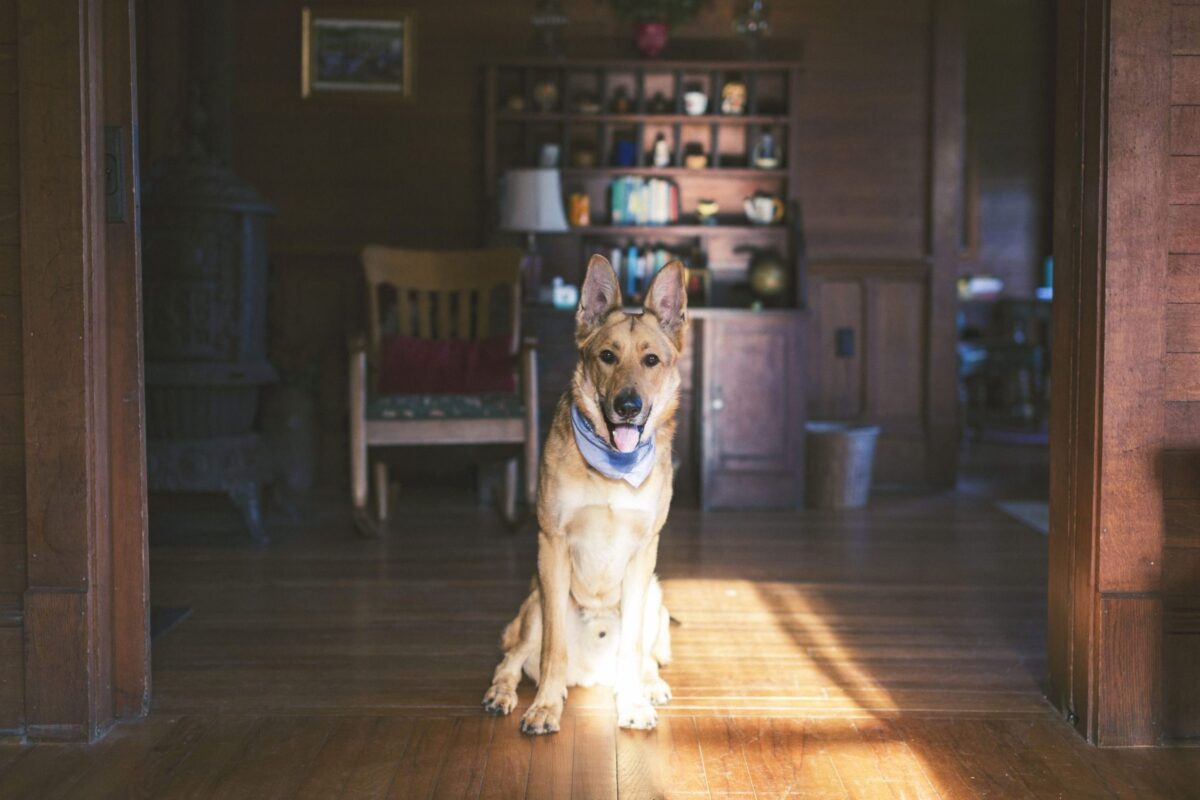
Once your dog comes reliably from across the living room, add distance. Call him from another room. Call him from the top of the stairs. Call him when he’s sniffing something interesting in the garden. Each time, the same rules: one word, cheerful tone, wonderful treat when he arrives.
This is also the stage to add a small challenge: call him when he’s mildly distracted. Not when he’s chasing a squirrel — you’re not there yet — but when he’s sniffing the carpet or looking out of the window. If he comes, the treat should be extra good. You’re teaching him that coming to you beats whatever he was doing, even when what he was doing was interesting.
If he doesn’t come, don’t chase him and don’t repeat the word. Walk over to him calmly, clip the lead on, and walk him back to where you called from. Then try again from a shorter distance. The goal is to set him up to succeed, not to test him until he fails.
Step 3: the garden
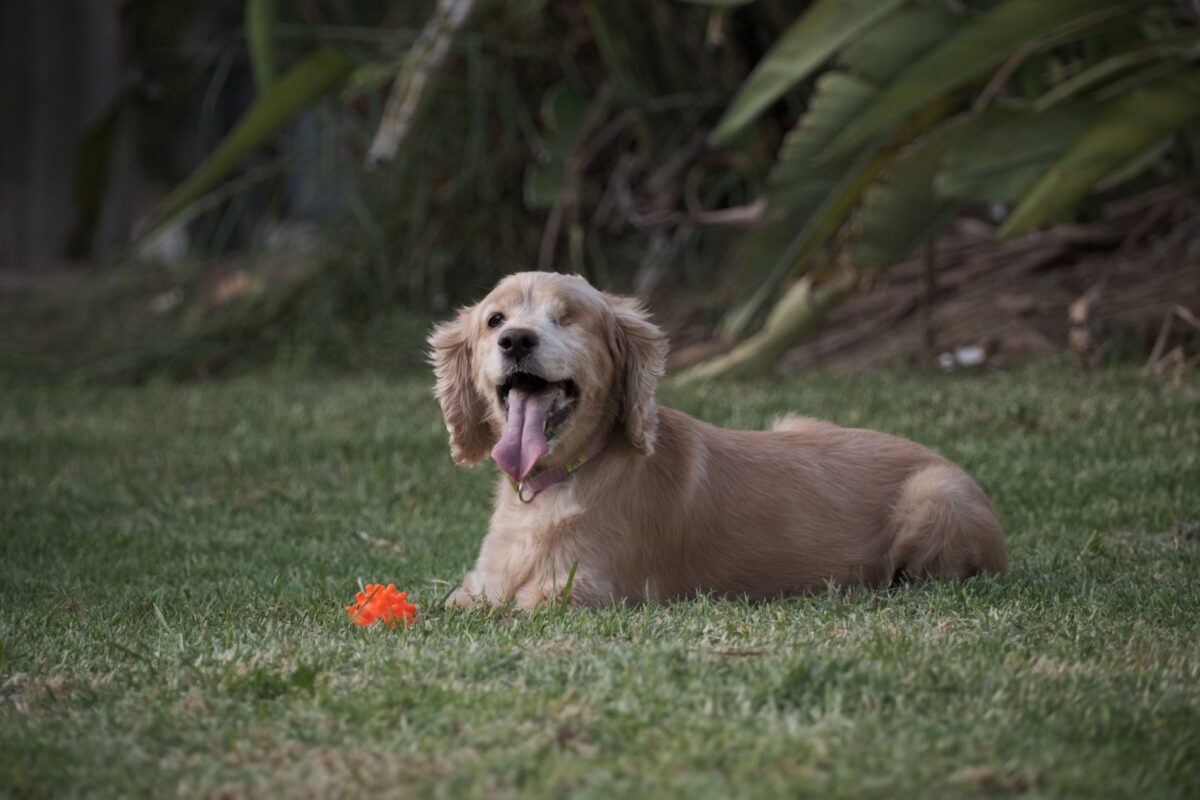
The garden is the first real test, because it’s bigger, more interesting, and full of smells. Start on a long lead — ten metres or so — so your dog has freedom to move but can’t run off. Let him wander, sniff, and explore. Then call him. If he comes, the treat should be the best one yet, plus a game or a fuss.
Practise in the garden for at least a week before you even think about the park. Call him from different spots, at different times, when he’s doing different things. Sometimes he’s sniffing the fence. Sometimes he’s lying in the sun. Sometimes he’s watching a bird. Each successful recall in the garden is a deposit in the bank — and you need a lot of deposits before you make a withdrawal in the park.
If he doesn’t come in the garden, use the long lead gently to guide him back to you — don’t drag him, just apply steady, gentle pressure — and reward him when he arrives. Then go back to a shorter distance and try again. The long lead isn’t a punishment; it’s a safety net that lets you practise without losing the dog.
Step 4: the park, on a long lead
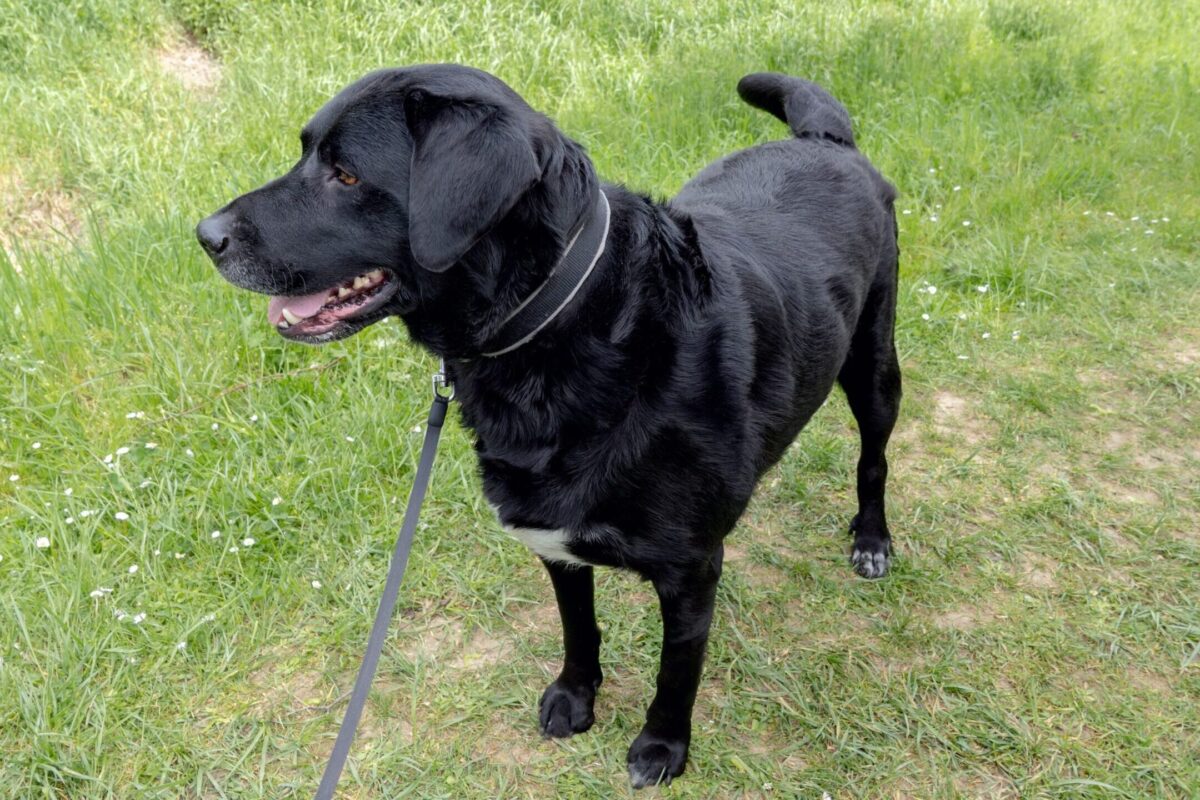
The park is where recall is really tested. There are other dogs, smells, squirrels, children, and a hundred things more interesting than you. Don’t rush this step.
Start in a quiet part of the park, on the long lead. Let your dog explore, then call him. The first few times, he may not come — and that’s fine. The long lead means he’s safe, and you can guide him back. Each time he does come, make it a celebration: the best treats, a game, a fuss. You want the park recall to be the most rewarding recall of all, because it’s competing with the most interesting distractions.
Gradually increase the difficulty. Call him when another dog is in the distance. Call him when he’s sniffing something fascinating. Call him when he’s running. Each time he comes, reward him generously. Each time he doesn’t, calmly guide him back and try again from an easier position.
Only when he’s coming reliably on the long lead, in a busy park, with other dogs around, should you think about letting him off the lead. And even then, choose a safe, enclosed area first — a fenced field or a secure dog park — not an open space near a road.
The mistakes that ruin recall
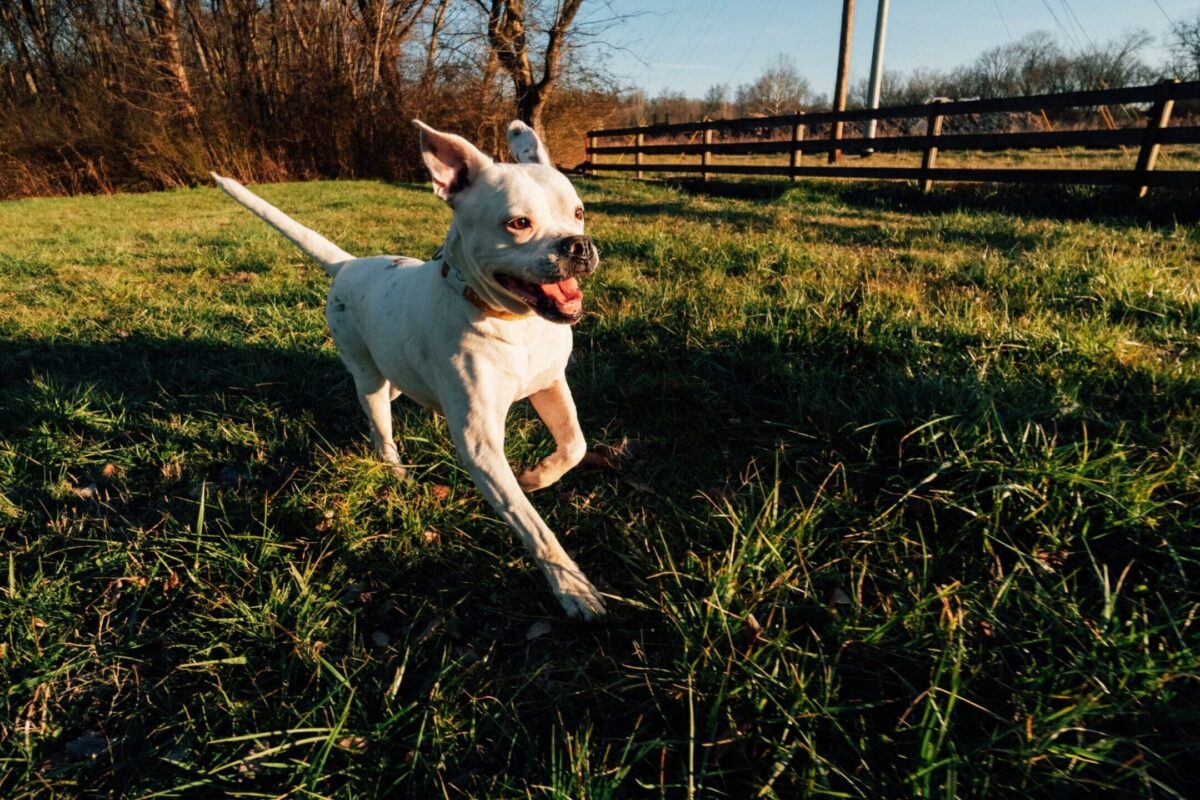
Most recall problems aren’t caused by the dog. They’re caused by the owner, usually in one of these ways.
Calling him for something unpleasant. This is the biggest one. If you call your dog to you to give him a bath, trim his nails, put him in the car for a vet visit, or end a walk, he will learn that “come” means the fun is over. Go and get him instead. Keep “come” sacred: it always, always means something good.
Repeating the word. “Come, come, come, come” teaches your dog that the first four don’t count. One word, once. If he doesn’t come, go and get him.
Punishing a slow recall. If your dog takes his time coming to you and you scold him when he arrives, you’ve taught him that coming to you gets him in trouble. Reward the arrival, however slow. If he’s slow, the training needs work — not the dog.
Calling him when you know he won’t come. If your dog is chasing a squirrel and you know he won’t come back, don’t call him. Every time you call and he doesn’t come, the word loses power. Wait until you can get his attention, or go and get him. Save the word for the times it will work.
Practising only when it matters. If the only time you call your dog is when you need him — at the end of a walk, when it’s time to go home — then “come” becomes the word that ends the fun. Practise recall at random times, in the house, in the garden, on walks, and reward him every time. Then let him go again. Coming to you should usually mean a treat and then freedom — not the end of everything good.
Expecting too much too soon. Recall takes weeks, not days. A dog who comes reliably in the living room is not a dog who will come reliably in the park. Each new environment is a new challenge, and each one needs its own practice. Be patient. The dog who comes when called in the park is worth the weeks it took to get there.
Making recall fun
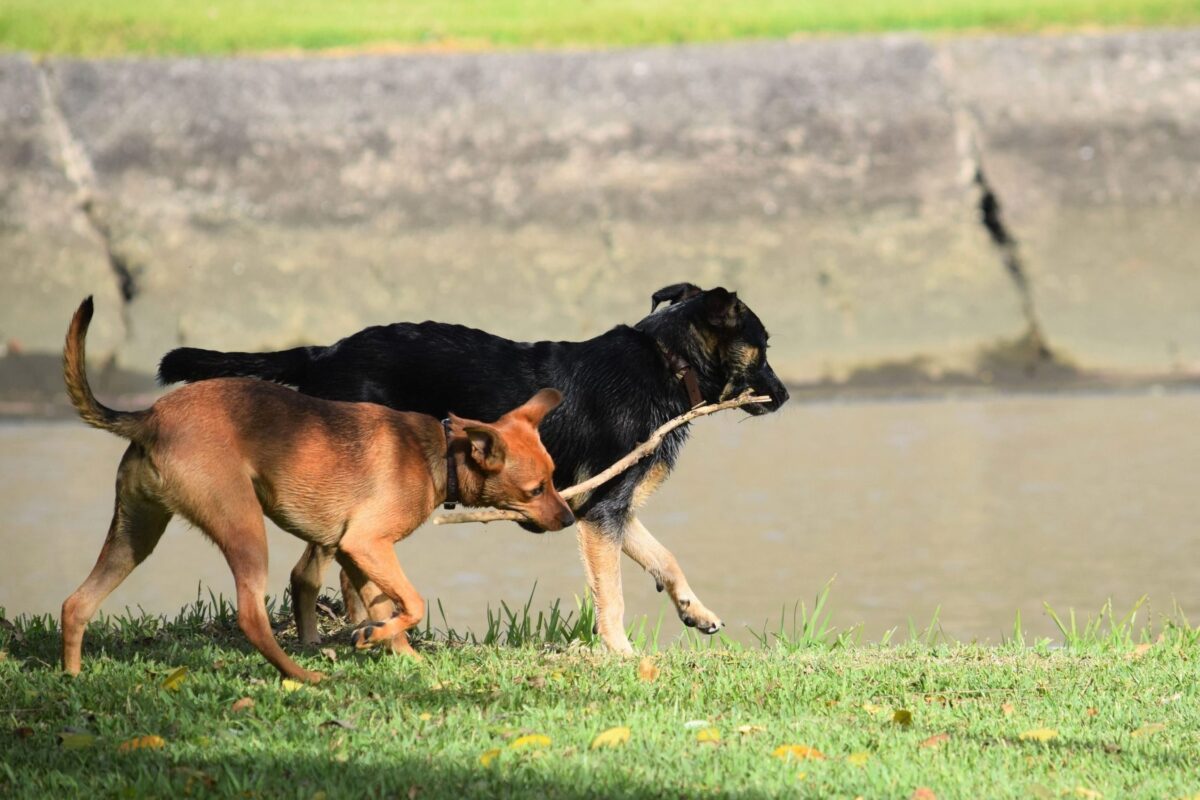
The best recall training doesn’t feel like training at all. It feels like a game. A dog who has had enough exercise will focus better, too — our guide to how much exercise a dog needs breaks it down by age, size, and breed type. Here are a few ways to keep it fun.
The recall game. Two people stand apart in the garden, each with treats. One calls the dog, rewards him, then the other calls him. The dog runs back and forth, getting a treat each time. It’s the best game in the world, and it’s also recall training.
Hide and seek. When your dog isn’t looking, hide behind a door or a tree, then call him. When he finds you, make a huge fuss. Dogs love this game, and it teaches them that finding you is rewarding.
The chase game. Call your dog, then run away from him. Most dogs can’t resist chasing a running person, and when he catches you, the treat is waiting. Running away from your dog is one of the most effective recall tools there is — it uses his chase instinct in your favour.
What if my dog already ignores “come”?

If you’ve already used the word “come” so many times that it means nothing to your dog, the best fix is to start over with a new word. Pick a different word — “here,” “close,” or a whistle — and train it from scratch, following the steps above. The old word is burned out; the new word is a blank slate.
This is also the time to be honest about whether the problem is the word or the reward. If coming to you has never been particularly rewarding, no word will fix that. The new word needs to come with the best treats, the best games, and the most consistent rewards you can manage. A new word plus the same old boring reward won’t work. A new word plus a genuinely exciting reward will.
If your dog ignores recall because he’s chasing things, or because he’s anxious or reactive around other dogs, the problem is bigger than the recall word. Our guide to leash training a dog that pulls covers the basics of keeping a dog focused on walks, and a dog who can’t focus on a lead needs that work before recall in the park will be reliable. For serious reactivity or chasing, a qualified trainer who can see the dog in person is the right next step.
Recall for puppies
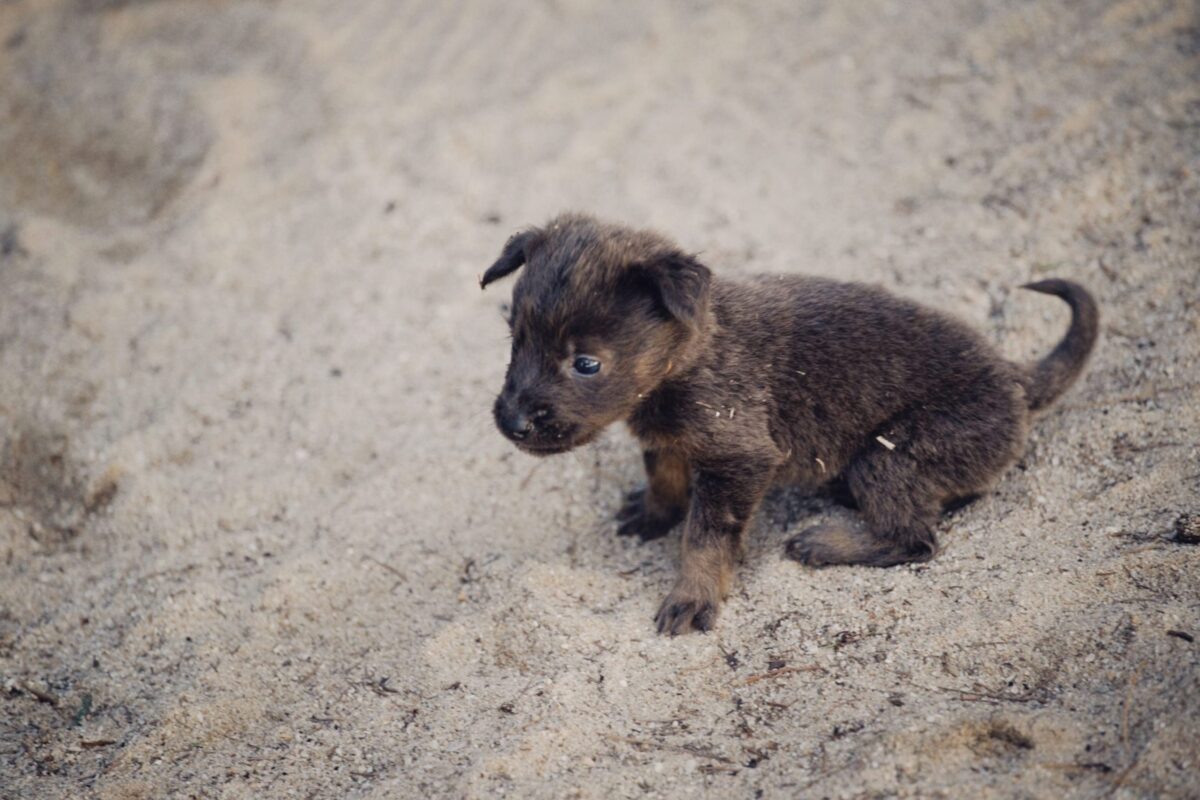
Puppies are the easiest dogs to teach recall to, because they naturally want to be near you and haven’t yet learned that the world is more interesting than you are. Start as early as you can — from the first week your puppy is home. Call your puppy in the house, in the garden, and on every walk. Reward every single recall, every time. A puppy who learns that coming to you always pays off will grow into a dog who comes when called without thinking about it. Our guide to your puppy’s first week covers the early days, including how to start building good habits from the beginning.
Frequently Asked Questions
How long does it take to teach a dog to come when called?
It depends on the dog, but for most dogs, a reliable recall in the house takes a few days, in the garden takes a couple of weeks, and in the park takes several weeks of regular practice. Puppies are usually faster than adult dogs, and dogs who have never been trained are faster than dogs who have learned to ignore the word. Don’t rush it — a recall that works in the park is worth the weeks it took to build.
What treats should I use for recall training?
The best treats you can find — something your dog loves more than anything else in the world. Small pieces of cooked chicken, cheese, or sausage are the usual choices. The treats need to be good enough that coming to you is worth interrupting whatever your dog was doing. Ordinary kibble won’t do it, especially in the park. And keep the recall treats special — if your dog gets the same treat for everything, it’s not a reward for recall, it’s just a snack.
My dog comes in the house but not in the park. Why?
Because the park is much harder. The house has no distractions; the park has a hundred. Your dog isn’t being stubborn — he’s being a dog in an environment that’s much more interesting than you are. Go back to the long lead in the park, practise in a quiet area first, and build up gradually. Each new environment needs its own practice, and the park is the hardest one of all.
Should I use a whistle for recall?
A whistle can work very well — it’s loud, it carries, and it sounds the same every time. But a whistle is only as good as the training behind it. It still needs the same patient, step-by-step approach, and it still needs to be followed by a reward every time. If you like the idea of a whistle, start with it from the beginning, and use it consistently. If your dog already knows a word, stick with the word.
What do I do if my dog runs off and won’t come back?
Stay calm, and don’t chase him — a dog who is being chased will run further. Crouch down, turn sideways, and call him in a cheerful voice. If you have a treat, show it. If he comes, reward him generously and don’t scold him, however long he took. If he doesn’t come, wait for him to lose interest in whatever he’s chasing, and try again. If this happens regularly, go back to the long lead and rebuild the recall from the garden stage.
Can an older dog learn recall?
Yes. Older dogs can learn recall just as well as young ones — sometimes better, because they’re calmer and more focused. The method is the same: start indoors, build up gradually, reward every success. The only difference is that an older dog may have years of ignoring the word behind him, in which case starting over with a new word is usually the fastest fix.
Is it safe to let my dog off the lead?
Only when his recall is reliable in that environment, and only in a safe place. A fenced field or a secure dog park is the right place to test off-lead recall. An open space near a road is not. If you’re not sure, keep the long lead on — it gives your dog freedom to run while keeping him safe, and it’s not a failure. It’s sensible.