
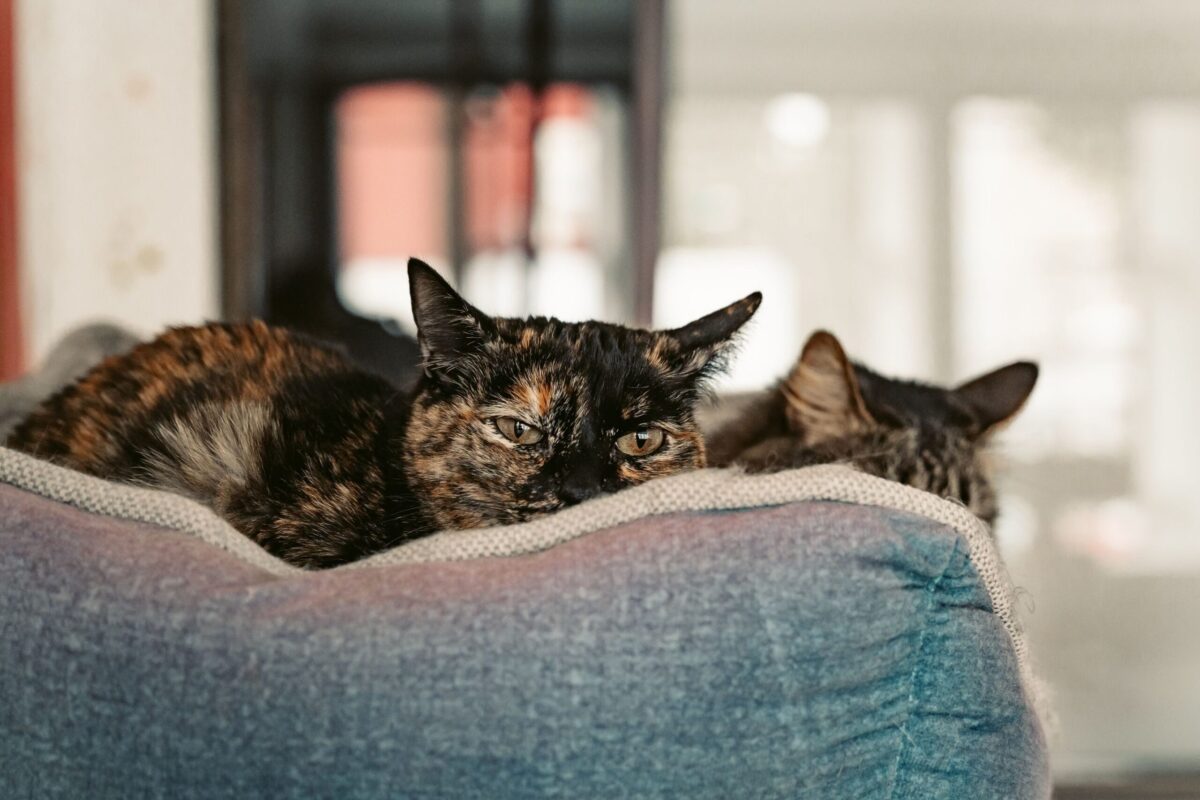
Thirty dollars still buys a good cat bed in 2027 — sometimes two. The best cat beds under $30 cover the four things cats actually sleep in: something to curl into, something to hide in, something high up with a view, and something warm. The beds themselves haven’t changed much this year. What has changed is the choice: washable covers are standard now instead of a luxury, self-warming mats are everywhere, and the under-$30 shelf is fuller than it was. This guide cuts through that shelf. It covers the best cat beds under $30 2027 — the types worth buying, how to match the bed to the way your cat sleeps, where to put it, and what to skip.
Every cat owner has bought a bed their cat completely ignored. It’s one of the great truths of cat ownership: you buy a beautiful bed, and the cat sleeps in the cardboard box it came in. The reason isn’t that cats are ungrateful. Cats choose a sleeping spot for warmth, safety, height, and texture, and a bed that doesn’t offer the right combination will sit empty, however much it cost.
The good news is that you don’t need to spend much to get it right. Under $30, there are well-made beds in every style cats actually use, and the trick is matching the bed to your cat’s habits rather than to your living room. A cat who curls into a ball wants something different from a cat who hides under the bed, and both of them want something different from a cat who lives on the windowsill.
What $30 buys in 2027

Thirty dollars buys a good cat bed, and sometimes two. The best cat beds under $30 2027 are well-made beds from brands people have heard of — decent fabric, a proper cushion, and seams that hold. What it doesn’t buy is a designer bed or a heated bed with a power cord. And honestly, most cats don’t want either of those. The beds cats love most are simple: soft, warm, enclosed or raised, and in the right spot.
The best value under $30 is usually a single well-made donut bed or cave bed, or a window perch that uses space you already have. Buying two cheaper beds — one for the living room, one for the bedroom — is often better than buying one expensive bed, because cats like to have a sleeping spot in more than one room.
One thing worth knowing for 2027: the under-$30 shelf is crowded with beds that look identical but aren’t. Two donut beds can sit side by side at the same price, one with a proper non-slip base and washable cover, the other with neither. The price tag won’t tell you which is which. The feel of the fabric, the thickness of the rim, and whether the cover comes off will.
Donut beds: the favourite

If you buy one bed, make it a donut bed. A donut bed — round, with a raised rim all the way around — is the single most popular style with cats, and it’s easy to see why. The rim gives a cat something to lean against and rest her head on, and the round shape lets her curl into a ball, which is how cats conserve heat and feel safe.
A good donut bed has a thick, soft rim — at least a few inches high — and a cushion in the middle that stays in place instead of sliding around. The fabric should be soft and warm: faux fur, plush, or sherpa are all good. The bottom should be non-slip, so the bed doesn’t slide across a hard floor when the cat jumps in. And the whole bed should be machine washable, or at least have a removable, washable cover. A cat bed that can’t be washed is a cat bed that will smell, and a smelly bed is a bed a cat won’t use.
Size matters more than most people think. Measure your cat when she’s curled up asleep, and add a few inches. A bed that’s too small is uncomfortable; a bed that’s too big doesn’t feel cosy. For most cats, a bed around 50 centimetres across is right. For a large cat, or a cat who likes to stretch out, go bigger — but don’t go so big that the rim stops being useful. The rim is the whole point of a donut bed, and a bed so wide the cat can’t reach the rim is just a flat mat with extra steps.
Cave beds for 2027: for cats who hide

Some cats don’t want to be seen while they sleep. They want a roof, walls, and a small entrance — a cave. A cave bed is a soft, enclosed bed, usually shaped like a dome or a tent, with a single opening. It’s the closest thing to a cardboard box, but warmer, softer, and washable.
Shy cats, anxious cats, cats who hide under beds, and cats who sleep in cupboards all tend to love a cave bed. It’s also a good choice for a cat in a busy house, because the cave gives her a place to retreat to when the house gets noisy. If your cat sleeps in enclosed spaces, a cave bed is the right answer — and in 2027, cave beds are one of the easiest under-$30 finds, because the style is so simple to make well.
Two things decide whether a cave bed gets used. First, it has to hold its shape. A cave that collapses is a cave a cat won’t use, so press the walls before you buy — they should spring back, not flop. Second, the entrance should be big enough for your cat to get in and out easily, but small enough to feel enclosed. A doorway a cat has to squeeze through will put her off; a doorway as wide as the bed isn’t a cave at all. Like a donut bed, it should be washable, and some cave beds have a removable cushion inside, which is useful — you can wash the cushion separately and more often.
Self-warming mats: heat without power
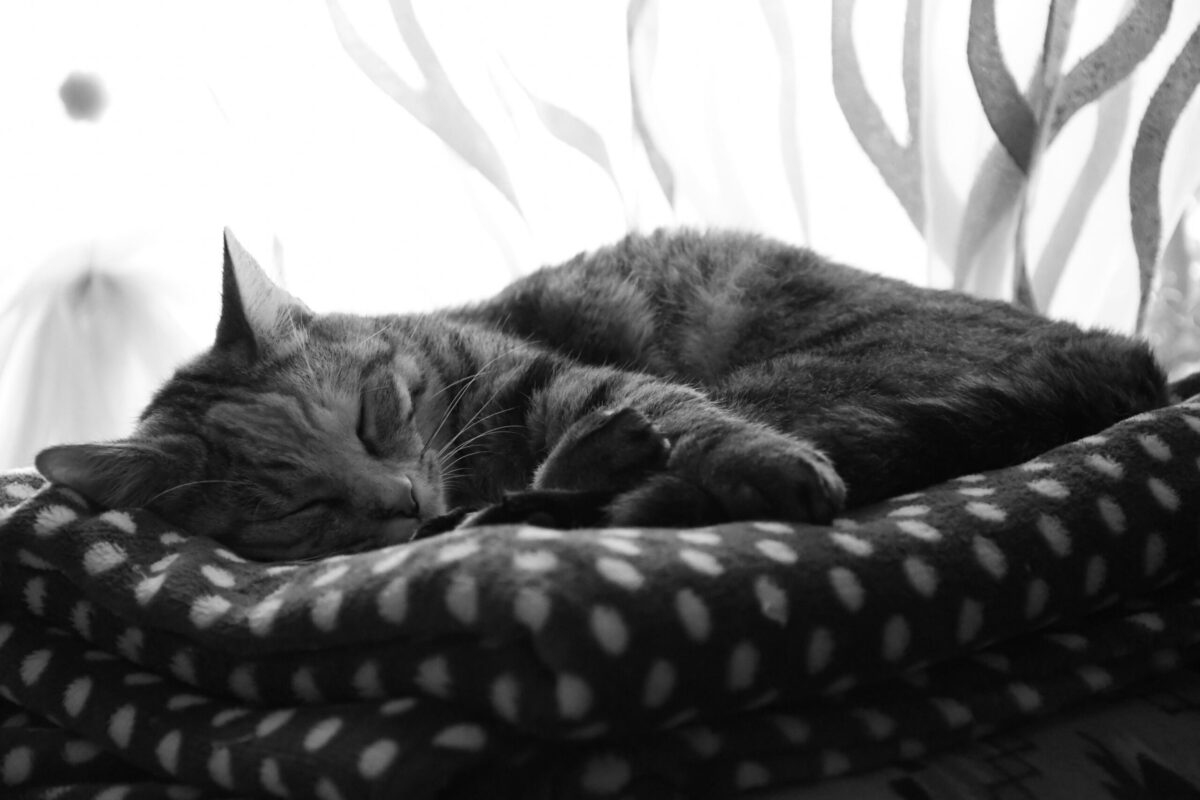
A self-warming mat is a flat pad filled with a material that reflects your cat’s own body heat back to her. It needs no electricity, no plug, and no batteries. It just uses the cat’s warmth. And cats love them, especially older cats, thin cats, and cats who always seem to be cold.
The best place for a self-warming mat is somewhere your cat already sleeps: on a windowsill, in a cardboard box, on top of a radiator cover, or inside a cave bed. It’s a small, cheap upgrade to a spot your cat already likes, and it’s one of the best-value purchases under $30. Most cost well under $20, which leaves room in the budget for a second one.
When you’re choosing one, check three things. It should be a reasonable size for your cat — big enough for her to curl up on, not so big that it takes over the room. It should be washable, or at least wipeable, because a mat on the floor gets dirty fast. And it should be thin and flexible, so it fits inside a bed or a box without making the space awkward. A stiff, thick mat that won’t bend is a mat that will end up in a cupboard.
Window perches and window beds in 2027
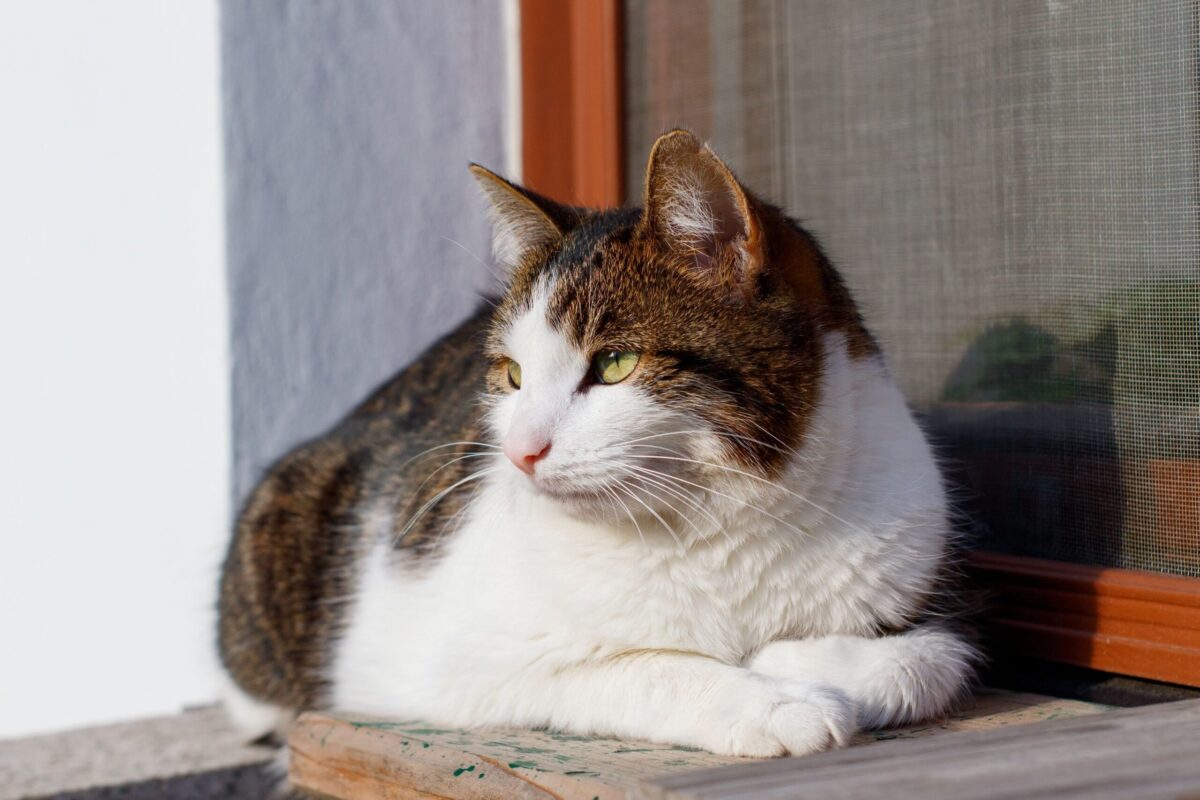
A window perch isn’t a bed in the usual sense. It’s a platform that sticks to a window, or rests on a windowsill, and gives a cat a place to sleep in the sun with a view. And many cats prefer it to any bed on the floor. A window bed is the same idea with more comfort built in — a bolstered, cushioned bed that sits on the sill instead of a bare platform. Either way, the appeal is the same.
Height, warmth, and entertainment. A window perch puts a cat up high, which cats prefer, in the sun, which cats love, with a view of birds and people, which cats find endlessly interesting. A cat with a window perch is a cat who is less bored, and a cat who is less bored is a cat who is happier.
Strength is the first thing to check. The perch should hold your cat’s weight with a wide margin — if the listing says it holds 10 kilos and your cat weighs 5, that’s comfortable. Suction-cup perches work well on clean, smooth glass, but they need checking regularly, because a suction cup that comes loose drops the cat. A perch that rests on the windowsill, with a support underneath, is more secure. And the surface should be soft — a cushion, a fleece cover, or a piece of carpet — because bare plastic or metal is cold and uncomfortable, and a cold perch is an empty perch.
A window bed is not the same thing as a window hammock, though shops sometimes mix them up. A hammock hangs in the air from suction cups; a window bed sits on the sill with support underneath. If your cat is heavy or nervous, the bed is the safer choice. Our guide to window hammocks covers the hanging kind in more detail.
Heated cat beds under $30 in 2027
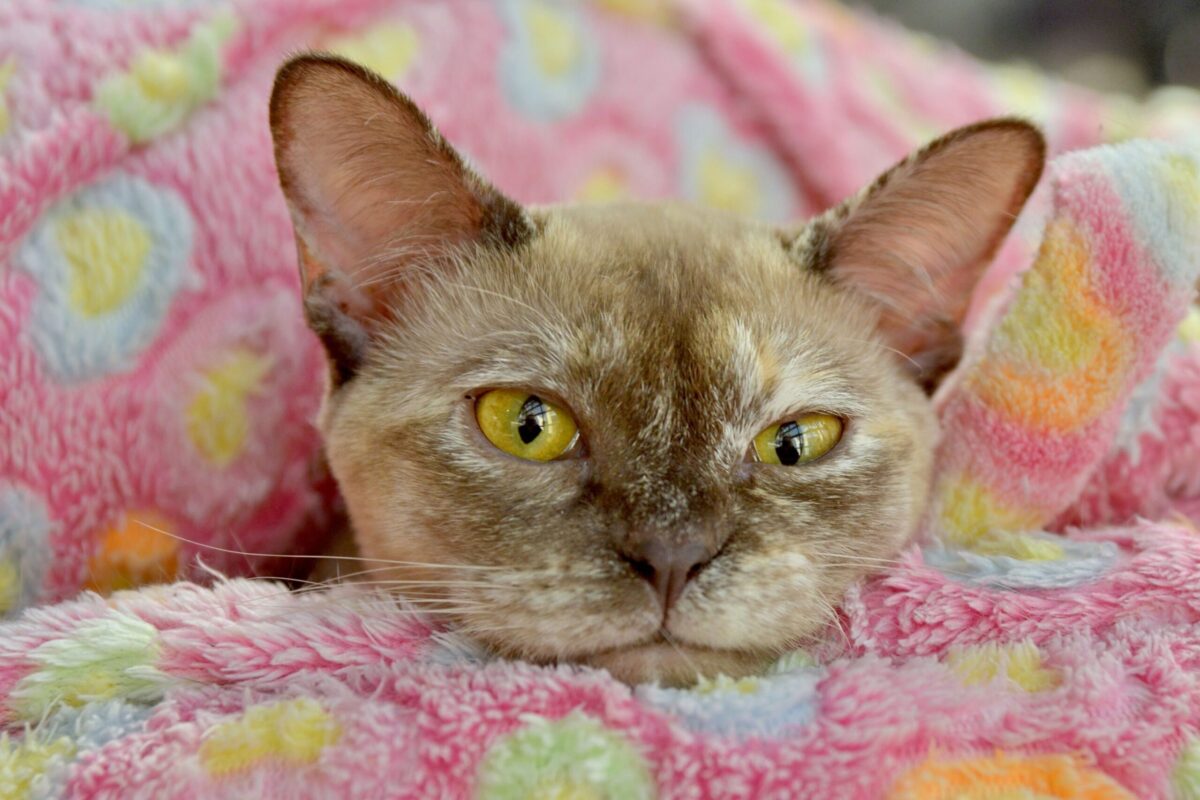
Here’s the honest truth about heated beds: most plug-in heated beds cost more than $30. The ones that fit under $30 are self-warming mats and small, simple electric pads — and the self-warming kind is the better buy for most cats. No cord to chew, no plug to find, nothing to go wrong. A cat’s own body heat does the work, and the mat just reflects it back.
That doesn’t mean electric heated beds are bad. A small electric pad with a chew-proof cord and an automatic shut-off can be safe, and some older cats genuinely benefit from steady warmth. But under $30, the electric options are limited, and a cheap electric bed with a thin cord and no shut-off is a risk, not a bargain. If the price looks too good for a heated bed, check what was left out — it’s usually the safety features.
So for 2027, the under-$30 heated bed is really the self-warming mat. It’s the warmest option in this price range, it’s the safest, and it’s the one cats actually use. Put one inside a cave bed and you’ve built a heated cave for less than $30 in total — warmer than most plug-in beds, with no electricity at all.
Flat mats and radiator beds: the simple options

Not every cat wants a donut or a cave. Some cats want a flat mat — a simple, soft pad on the floor, or on a chair, or on top of a radiator. And some cats want a radiator bed — a hammock that hangs from a radiator, using the heat from below.
A flat mat is the simplest bed there is: a soft, washable pad, in a size that fits your cat. They’re cheap, they go anywhere, and they’re easy to wash. Put one on a chair your cat already sleeps on, or on the floor in a sunny spot, and she’ll use it. They’re also the best choice for a cat who sleeps stretched out rather than curled up, because there’s no rim or wall in the way.
A radiator bed is a fabric hammock with hooks that hang over a radiator. In winter, they’re one of the most popular sleeping spots in the house — warm from below, soft, and up high. Check that the hooks fit your radiator, and that the bed is strong enough for your cat. And make sure the radiator isn’t too hot. A radiator bed should be warm, not scorching, and if you can’t hold your hand on the radiator comfortably, it’s too hot for a cat to sleep above it.
How to choose the right bed

Watch how your cat sleeps. A cat who curls into a tight ball wants a donut bed. A cat who hides wants a cave. A cat who sleeps on the windowsill wants a window perch. A cat who stretches out flat wants a mat. The bed should match the habit, not the other way around. If you’re not sure, a donut bed is the safest first choice. It’s the style most cats use.
Think about the season. In winter, cats want warmth — a cave bed, a self-warming mat, a radiator bed. In summer, cats want cool — a flat mat on a hard floor, or a bed in the shade. Some cats switch beds with the seasons, and that’s normal. Having two beds, a warm one and a cool one, covers both, and under $30 you can usually afford both.
Think about washing. A cat bed gets hairy, and it gets dirty, and it needs washing regularly. A bed that can’t be washed is a bed that will smell, and a smelly bed is a bed a cat won’t use. Machine-washable is best. A removable, washable cover is almost as good. A bed that can only be spot-cleaned is a bed you’ll regret — and in 2027, there’s no excuse for it, because washable covers are standard even at this price.
Size matters. Too small, and the cat can’t get comfortable. Too big, and the cat doesn’t feel enclosed. Measure your cat curled up, add a few inches, and buy that size. For a large cat, or a cat who likes to stretch, go up a size — but don’t go so big that a donut bed loses its rim or a cave bed loses its cosiness.
Where to put the bed
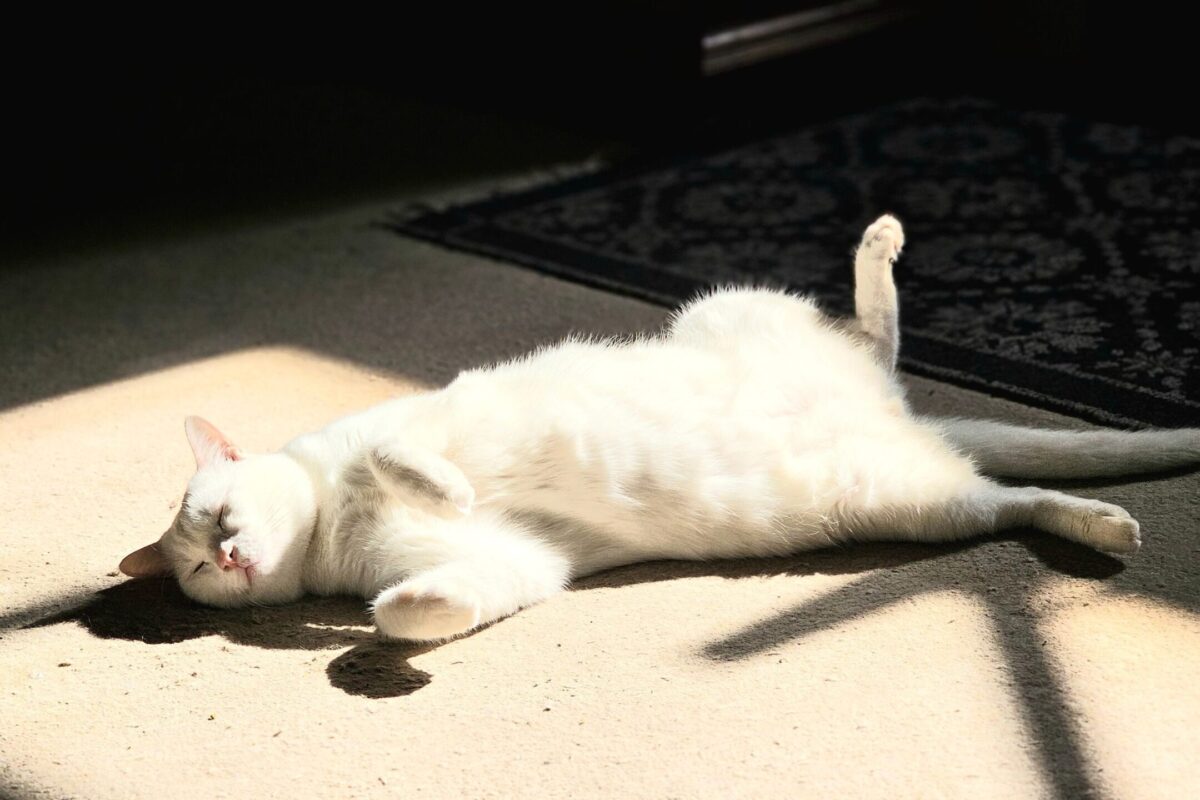
The spot matters as much as the bed. A bed in the wrong place will sit empty, no matter how good it is.
Warm, quiet, and safe. Cats choose sleeping spots that are warm, quiet, and safe from surprises. A corner, a spot against a wall, a place with a view of the room — these are the spots cats like. A bed in the middle of a busy walkway, or next to a washing machine, or in a draughty hallway, will be ignored. Our guide to warm spots your cat will actually sleep in goes deeper into the places cats choose for themselves.
Near you, but not on you. Most cats like to sleep near their people — in the same room, on a chair nearby, or on the end of the bed. A cat bed in the living room, near where you sit in the evening, is more likely to be used than a cat bed in a spare room nobody visits. What your cat’s sleeping spots say about how she feels is worth knowing, too — our guide to cat sleeping positions explains what each position means.
More than one spot. Cats like options. A bed in the living room and a mat in the bedroom is better than one bed in one room. It doesn’t have to be expensive. A second bed can be a flat mat, or a cardboard box with a blanket in it. The point is choice, and a cat with two good spots is a cat who actually uses them.
What to skip

Beds that can’t be washed. A bed that can only be spot-cleaned will smell within weeks, and a smelly bed is a bed a cat won’t use. Machine-washable, or don’t buy it.
Beds with small parts. Buttons, zips, dangling tassels, loose threads — anything a cat can chew off and swallow is a hazard. Check the bed before you give it to your cat, and remove anything that looks like it could come off.
Beds that are too small. A bed that’s too small for your cat is a bed she won’t use. Measure first, buy second. This is the most common mistake, and the easiest to avoid.
Heated beds with thin power cords. A bed that plugs into the wall is a bed with a cord a cat can chew. Self-warming mats give a cat warmth without electricity, and they’re safer and cheaper. If you do buy a heated bed, make sure the cord is chew-proof and the bed has an automatic shut-off — and if it doesn’t have both, don’t buy it.
The most expensive bed. The most expensive bed is not the best bed. Cats don’t care about brands or price tags. They care about warmth, softness, safety, and the right spot. A bed under $30, in the right style and the right place, will be used far more than a bed that cost three times as much but sits in the wrong corner.
Frequently Asked Questions
What is the best cat bed under $30 in 2027?
A donut bed, for most cats. It’s the style most cats use, and a good one costs well under $30. For a shy cat, a cave bed. For a cat who loves the window, a window perch or window bed. The best bed is the one that matches how your cat already sleeps.
How do I get my cat to use a new bed?
Put it where your cat already sleeps, put something that smells like her in it — a blanket she’s used, or a piece of your clothing — and give her time. Don’t force her into it. Cats investigate new things on their own schedule. A sprinkle of catnip can help, and so can a familiar toy nearby — our guide to the Best Cat Toys Under $30 has ideas for toys she already likes. Patience helps more than any of it.
How often should I wash my cat’s bed?
Every one or two weeks, or more often if it’s visibly dirty or smelly. A machine-washable bed makes this easy. A bed that can’t be washed will smell, and a smelly bed is a bed a cat won’t use.
What size cat bed should I buy?
Measure your cat curled up asleep and add a few inches. For most cats, a bed around 50 centimetres across is right. For a large cat, or a cat who stretches out, go bigger — but not so big that a donut bed loses its rim or a cave bed loses its cosiness.
Do cats prefer open or enclosed beds?
It depends on the cat. Confident, social cats usually prefer open beds — donuts, mats, window perches. Shy, anxious cats usually prefer enclosed beds — caves, boxes, covered beds. Watch how your cat sleeps now, and buy the style that matches.
Is a heated cat bed safe?
A self-warming mat, which reflects the cat’s own body heat, is safe and needs no electricity. A bed that plugs into the wall can be safe if the cord is chew-proof and the bed has an automatic shut-off — but a self-warming mat is simpler, cheaper and safer, and under $30 it’s the better buy.
Why won’t my cat sleep in her bed?
Usually because it’s in the wrong place, it’s the wrong style, or it smells wrong. Move it to where she already sleeps, try a different style, and wash it. And remember — some cats just prefer a cardboard box, and that’s fine. A box with a blanket in it is a perfectly good cat bed.
How many beds does a cat need?
One or two is enough for most cats — one in the living room, one in the bedroom, or one warm bed and one cool bed. Cats like options, but they don’t need a bed in every room. A second bed can be as simple as a flat mat or a box with a blanket.
Are window perches safe for cats?
Yes, as long as the perch is strong enough for your cat’s weight and properly secured. Check suction cups regularly, and prefer a perch that rests on the windowsill with support underneath. The surface should be soft — a cushion or fleece cover — because bare plastic or metal is cold.
Sources and further reading
- International Cat Care — Sleeping and resting places for cats
- American Society for the Prevention of Cruelty to Animals — Cat beds and comfort
- Cornell Feline Health Center — Environmental enrichment for cats