
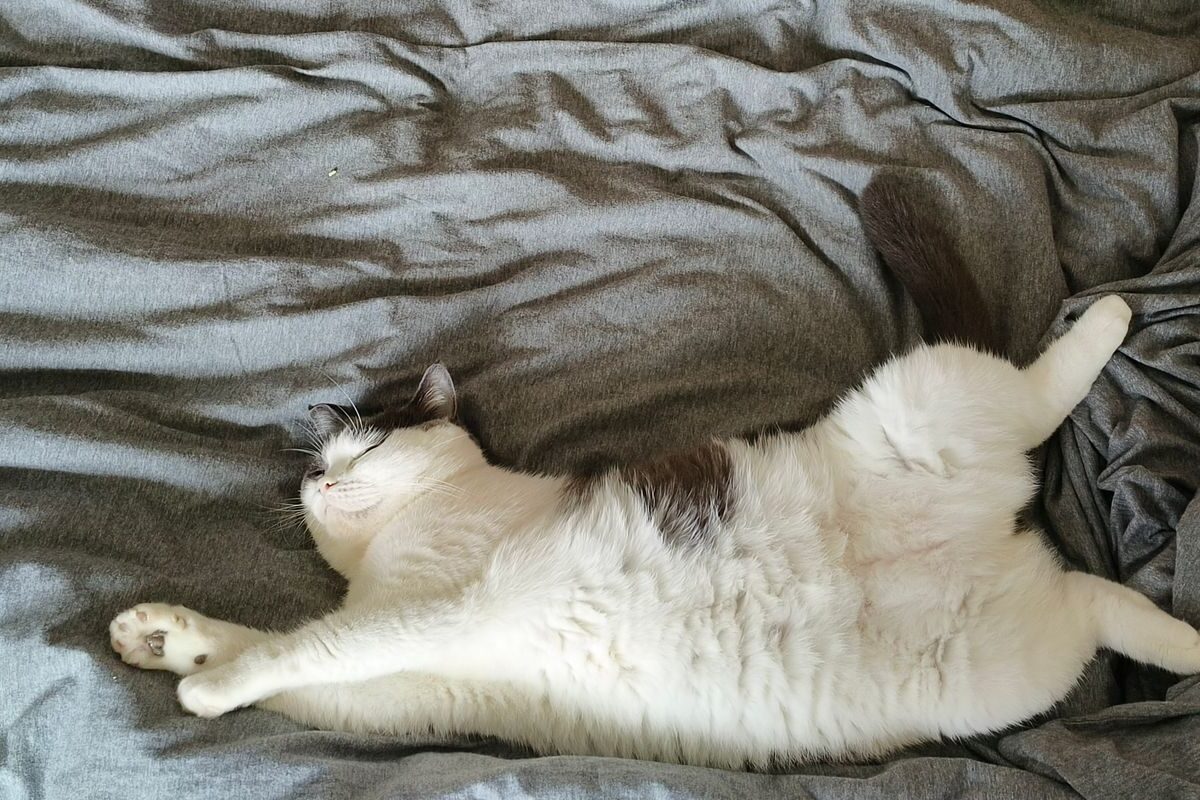
Every cat owner knows the joke: you buy a beautiful bed, and the cat sleeps in the cardboard box it came in. The joke is funny because it is mostly true, and it is true for a reason. Cats do not choose beds the way we do. They choose warmth, height, safety and a surface that already smells like them.
Research-based only. No product was personally tested.
Every cat owner knows the joke: you buy a beautiful bed, and the cat sleeps in the cardboard box it came in. The joke is funny because it is mostly true, and it is true for a reason. Cats do not choose beds the way we do. They choose warmth, height, safety and a surface that already smells like them. A bed that ticks none of those boxes is just furniture, and the box wins because it is enclosed, it holds warmth, and it smells faintly of cardboard rather than a factory.
So buying a cat bed is less about the bed and more about your cat. A nervous cat wants walls around her. An old cat with stiff joints wants something low and warm. A cat that sprawls in sunbeams wants a flat mat in the window’s path. Match the bed to the cat you actually have, put it where she already likes to sleep, and your odds improve a lot.
The main bed types
Donut and cuddler beds have raised, squishy sides a cat can lean against and curl into. They suit cats that sleep curled up, and cats that like to rest their head on something. Most have a removable cushion, which matters for washing.
Cave and hooded beds are fully or partly enclosed, with one opening. They suit shy cats, cats in busy homes, and cats that always hide under the bed or behind the sofa. The enclosed shape holds warmth and blocks drafts, which is why nervous cats often choose them first.
Flat mats and pads are just a padded layer — no sides, no roof. They suit sprawlers, cats that sleep stretched out, and warm homes where an enclosed bed would be too hot. They are also the easiest to wash and the cheapest to replace.
Heated beds and self-warming pads reflect the cat’s own body heat back, or plug in for gentle warmth. They suit older cats, thin cats and cold houses. Self-warming pads need no power and are the safer starting point; plug-in beds should always have a thermostat and a chew-resistant cord, and should never be the only warm spot in a cold room.
Elevated beds lift the cat off a cold floor and give a bit of airflow underneath. They suit cats that like a vantage point, but they are not the same as a window hammock — hammocks hang at the window and are covered in their own guide.
What to check before you buy
- Washability first. A bed that cannot be washed will smell within weeks, and a cat that cares about smell will abandon it. Look for a fully machine-washable bed, or at least a removable, washable cover and cushion. If washing means hand-washing a giant donut, it will not happen often enough.
- Size — bigger is not better. A bed should fit the cat curled up with a little room, not swallow her. A small cat in a huge bed loses the enclosed, held feeling that makes a bed appealing. Measure your cat curled up, and check the maker’s sizing rather than guessing.
- Where it will go. The best bed in the wrong spot is an empty bed. Cats sleep where it is warm, quiet, slightly raised and near their people. Put the bed where your cat already naps — by the radiator, on the sofa end, near a sunny window — not in a cold corner you wish she would use.
- Material and safety. Avoid beds with loose buttons, dangling strings or easily chewed foam that a kitten could swallow. In a home with a chewer, a simple, sturdy bed beats a fancy one with bits to pull off.
- One bed is rarely enough. Most homes need two or three sleeping spots: one in the main living area, one in a quiet room, and one near a heat source in winter. A single bed in one room forces a choice your cat may not want to make.
Two options to compare
- Product: Best Friends by Sheri Calming Donut Bed
- Good for: Cats that sleep curled up and like to lean. The raised, plush rim gives a headrest all the way around, the middle cushion is soft without being lumpy, and the whole bed is machine washable, which is the feature that decides whether a bed stays in use.
- Watch out for: It is a curl-up bed, not a sprawl bed — a cat that sleeps stretched out full-length will not fit the donut shape. Check the size chart against your cat curled up, and expect the plush rim to flatten somewhat with heavy daily use.
- Product: K&H Pet Products Thermo-Kitty Bed
- Good for: Older cats, thin cats and cold houses. The low-wattage heated pad inside warms only when the cat lies on it, and the bed is low enough for stiff joints to step into. The cover comes off for washing.
- Watch out for: It needs a power outlet nearby, so plan the spot before you buy. Keep the cord out of chewing reach, and do not use a heated bed as the only warm place in a cold room — a cat should always be able to move away from heat.
Getting your cat to actually use it
Put the new bed exactly where the old favourite spot is — on the sofa cushion she already uses, or in the sunny patch by the window. Put something that smells like her in it: a blanket she has slept on, or a worn item of your clothing. Do not wash it first if you can help it; a brand-new, factory-smelling bed is less inviting than one that already smells familiar. And give it time. Some cats claim a bed in an hour. Others circle it suspiciously for a week and then one day you find them in it, looking at you as if it was always theirs.
If she still ignores it after a couple of weeks in the right spot, the bed is probably the wrong shape for how she sleeps, or the wrong warmth for her — try a different type rather than buying the same shape again. And keep the box. Nobody wins a fight with a cat over a box.
When a bed change means something
A cat that suddenly stops using her bed, starts sleeping in odd places, or sleeps far more or far less than usual may be telling you something. Stiff, older cats sometimes avoid a high-sided bed because stepping in hurts; cats in pain sometimes hide in new, enclosed spots. A bed change on its own is not a diagnosis, but a bed change plus appetite change, weight loss, hiding or limping is a vet visit, not a shopping problem.
FAQs
Why does my cat ignore her new bed?
Usually the spot is wrong, the bed smells new, or the shape does not match how she sleeps. Move it to where she already naps, add something that smells like her, and give it a week or two before judging.
Donut or cave bed — which do cats prefer?
Confident cats that curl up usually like donuts; shy cats and cats in busy homes usually prefer caves. If your cat always hides under furniture, start with a cave.
Are heated cat beds safe?
Self-warming pads are very safe. Plug-in beds are safe when they have a thermostat, a chew-resistant cord and a way for the cat to move off the heat — never trap a cat on a heated bed in a cold room.
How often should I wash a cat bed?
Every couple of weeks for the cover or cushion, more often if the cat sheds heavily or has been ill. A bed that smells stale is a bed a cat abandons.
How many beds does a cat need?
Most homes need two or three: one in the main living area, one in a quiet room, and one warm spot in winter. Cats move between sleeping spots through the day, and that is normal.
Where is the best place to put a cat bed? Where the cat already sleeps: near a favourite window, on a quiet shelf, or beside your bed — warm, slightly raised, out of draughts and foot traffic. A bed in a busy hallway or a cold corner will be ignored, however good the bed. Watch where your cat naps for a week, then put the bed there.
Why does my cat sleep in the box instead of the bed? Because the box is warmer, more enclosed, and smells like the cat already — cardboard insulates and holds scent, while a new bed smells of the shop. Put a worn blanket in the bed, place the bed inside or beside the box for a while, and let scent transfer happen. Most cats switch once the bed smells like them and sits in their chosen spot.
Do senior cats need a different bed? Yes, usually: an orthopaedic or memory-foam bed with low sides for easy entry, in a warm spot, with steps or a ramp if the bed is raised. Senior cats feel the cold more and have stiffer joints, so warmth and easy access matter more than style. A pet-safe heated pad helps many seniors, with a way to move off it.
Internal links (existing live Furrology posts)
- https://furrology.net/cat-sleeping-positions-meaning/
- https://furrology.net/how-to-make-your-cat-love-you-more/
- https://furrology.net/indoor-vs-outdoor-cats/
- https://furrology.net/how-to-groom-a-long-haired-cat/
Sources
- International Cat Care, sleeping and resting behaviour in cats
- PetMD, choosing a cat bed and senior cat comfort
- RSPCA, cat welfare and resting places
- VCA Animal Hospitals, senior cat care and arthritis