

Your cat is slowing down a little. She sleeps more, jumps a bit less gracefully, and the vet visits that used to be a quick once-a-year formality start to feel more important. That’s normal — and it’s exactly the right instinct.
A senior cat’s vet visit isn’t just a longer version of a young cat’s checkup. The questions change, the checks change, and the whole point of the visit shifts. When your cat was young, visits were mostly about prevention: vaccines, flea control, making sure nothing was wrong. With an older cat, visits are about catching small changes early, while they’re still easy to manage, and about keeping her comfortable as her body changes.
This guide walks through what senior cat vet visits usually involve, how often they’re worth scheduling, what you can do at home before and after, and the signs in between visits that are worth a phone call. Nothing here is a diagnosis — only your vet can do that — but knowing what to expect takes a lot of the worry out of it.
When does a cat count as a senior?

Most vets start calling a cat senior somewhere around age 10 or 11, though it varies a bit by breed and by the individual cat. A sturdy mixed-breed cat who has always been healthy may still act like a youngster at 11. A cat with a long-term health condition may need senior-style care a little earlier.
The number matters less than the trend. If your cat is sleeping noticeably more, eating a little less, drinking more than she used to, or moving more carefully, she’s entering the stage of life where closer veterinary attention pays off — whatever her exact age.
Some clinics use the term “mature adult” for cats aged 7 to 10, and “senior” from 11 onward. If your vet starts using those words, it isn’t a warning. It’s just a way of saying the care plan should start shifting.
How often should a senior cat see the vet?
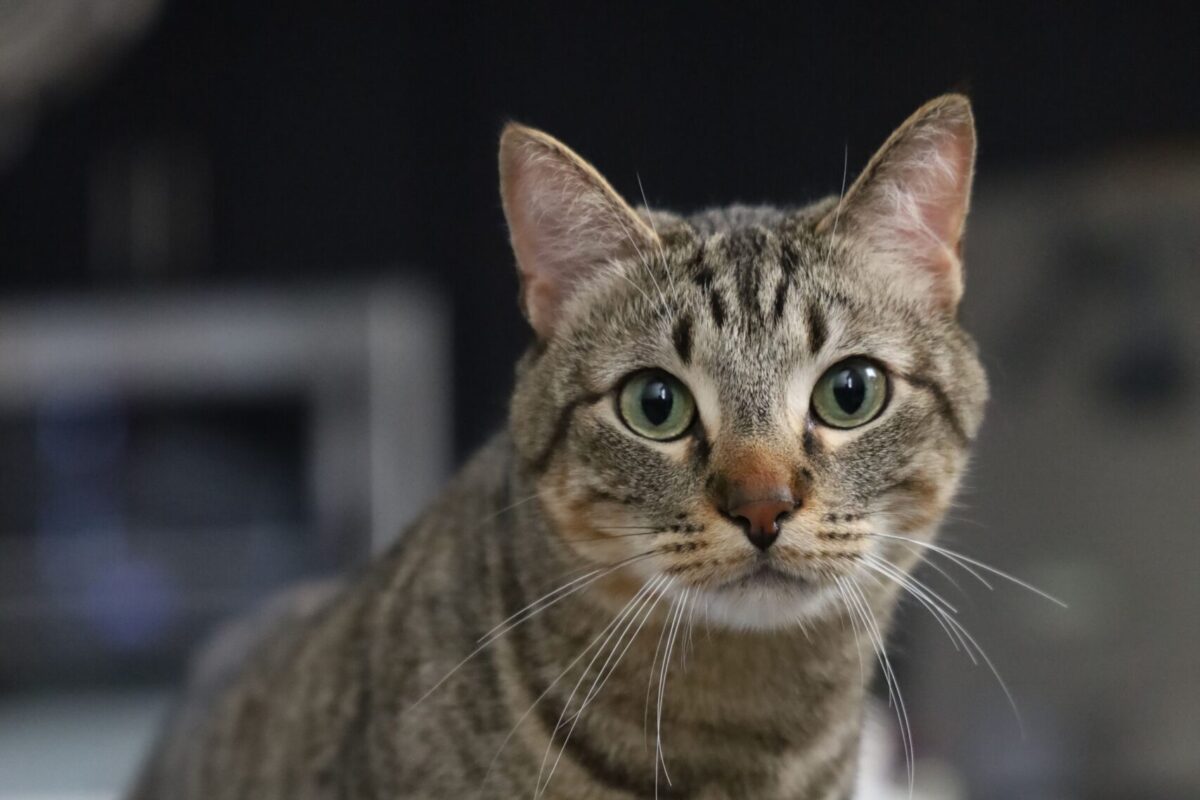
For most healthy adult cats, once a year is the usual rhythm. For a senior cat, most vets suggest twice a year — roughly every six months.
There’s a good reason for that. Cats are famously good at hiding discomfort. A cat who is developing an early kidney issue or a sore joint will often keep eating, keep purring, and keep using the litter box normally for a long time. Six months between visits is short enough that changes in weight, teeth, bloodwork, or mobility get noticed while they’re still small.
If your cat already has a known health condition, your vet may want to see her more often than that, or may want bloodwork done at a different interval. That schedule is something you and your vet work out together — there’s no single right answer for every cat.
The twice-a-year rhythm also makes the visits themselves less of an event. A cat who goes in every six months stays more used to the carrier, the car, and the clinic than a cat who only goes when something is clearly wrong.
What usually happens at a senior cat’s checkup
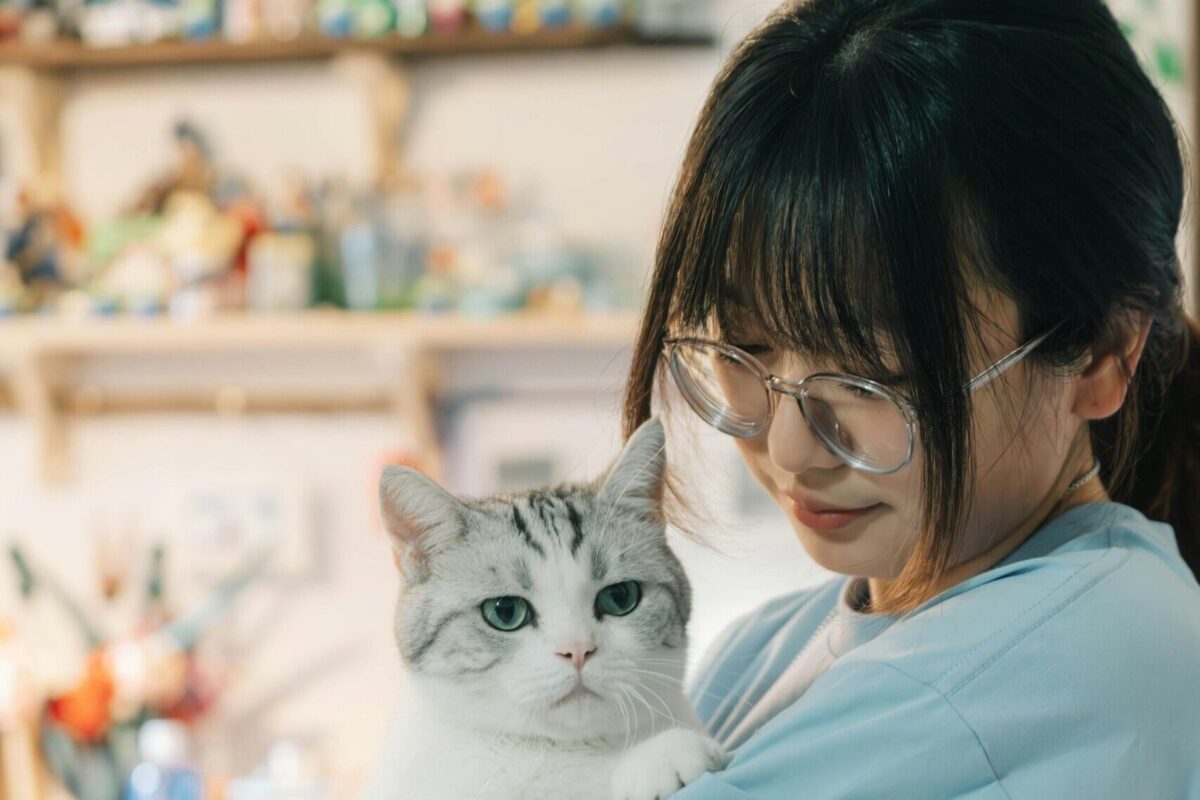
A senior checkup is slower and more thorough than a young cat’s visit. Your vet will probably spend more time on it, and that’s a good thing.
A longer conversation first. Expect more questions than you remember from younger years. How much is she eating, and has her appetite changed? How much water is she drinking? Is she using the litter box the same way, or has anything shifted — going more often, going outside the box, straining? Is she sleeping more, or in different places? Has her weight changed? Is she jumping less, or hesitating before stairs?
These questions sound small, but they tell your vet a lot. Cats change gradually, and owners notice the changes best because they see the cat every day. If you’ve noticed anything at all — even something you’re not sure matters — mention it. Vets would much rather hear about ten small things that turn out to be nothing than miss the one that matters.
A hands-on exam, head to tail. Your vet will feel your cat’s body condition, check her teeth and gums, listen to her heart and lungs, feel her belly, and look at her eyes and ears. In an older cat, the vet pays particular attention to weight — both loss and gain — to the condition of the teeth, to the thyroid gland in the neck, and to how the joints move.
Bloodwork and urine tests. This is the biggest difference between a senior visit and a young cat’s visit. Blood tests and a urine sample give your vet a window into how the kidneys, liver, thyroid, and blood sugar are doing — the things that most commonly change with age in cats, and the things that are hardest to spot from the outside.
If your cat has never had bloodwork before, the first senior panel sets a baseline: numbers your vet can compare against next time. A single result on its own often matters less than the direction it’s moving in.
Blood pressure. Some clinics check blood pressure in senior cats, especially if there’s any concern about the kidneys or the eyes. It’s a quick, painless measurement, usually done with a small cuff on a leg or the tail. High blood pressure in cats is another of those quiet problems that is much easier to manage when it’s found early.
Weight, and what it means. Weight is one of the most useful numbers your vet tracks, because it changes slowly and honestly. A cat who has lost weight without trying is worth a closer look. A cat who has gained weight may need a diet adjustment — extra weight makes sore joints worse and can complicate other conditions. Your vet will weigh your cat at every visit, and comparing those numbers over time is part of the point of coming in regularly.
What to bring to the visit

A little preparation makes the visit smoother for everyone, including your cat.
- A short note of anything you’ve noticed. Appetite, drinking, litter box habits, sleep, mood, mobility — even small things. Writing it down means you won’t forget it in the moment, and your vet gets the full picture.
- The name of her food, and roughly how much she eats. If you’ve changed her food recently, say so.
- Any medicines or supplements she takes, including the dose and how often. Bring the packets if that’s easier.
- A fresh stool sample if your vet has asked for one — the clinic will tell you if they want it.
- Her carrier, with something familiar inside. A blanket or towel that smells like home helps a nervous cat settle. Leave the carrier out in the house for a few days before the visit if you can, so it isn’t only associated with trips.
If your cat gets very stressed at the clinic, tell your vet. There are ways to make visits easier — quieter appointment times, a carrier cover, or in some cases a calming medicine given at home before the visit. Your vet can talk through the options.
For a fuller guide to getting your cat to the clinic calmly, see How to Prepare Your Cat for a Vet Visit.
Common health changes vets watch for in older cats
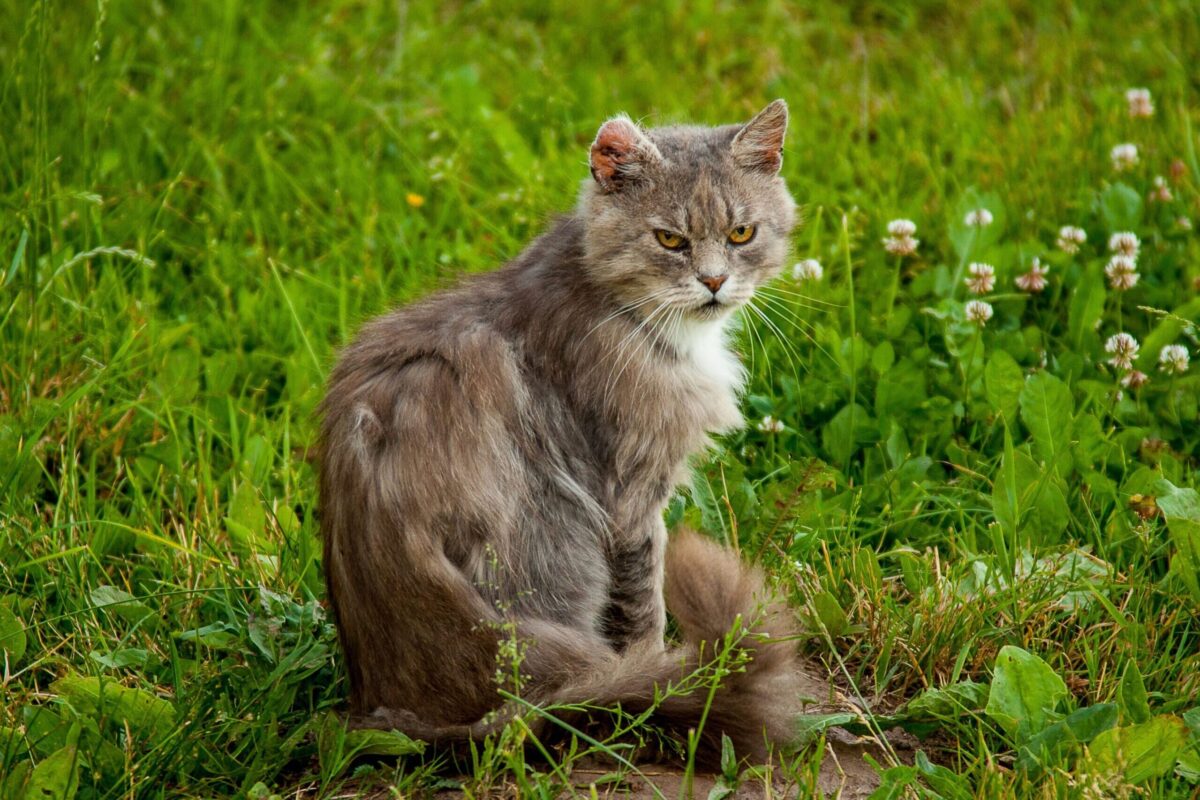
You don’t need to memorise a list of diseases. But it helps to know the general areas your vet is watching, so the checkup makes sense and so you know which changes at home are worth mentioning.
Kidneys. Kidney function tends to decline gradually with age in cats. Early on there may be no obvious signs at all, which is why bloodwork and urine tests matter. Increased drinking and larger amounts of urine are the changes owners most often notice at home.
Teeth and gums. Dental problems are extremely common in older cats, and a sore mouth can quietly put a cat off her food. Drooling, dropping food, chewing on one side, or a sudden preference for soft food are all worth mentioning. If your cat has started drooling more than usual, our guide to why cats drool explains what’s normal and what’s worth a vet visit.
Thyroid. An overactive thyroid is one of the most common conditions in older cats. The classic signs owners notice are weight loss despite a good appetite, restlessness, and sometimes a scruffier coat. It’s usually found through bloodwork and is very manageable once identified.
Joints and mobility. Arthritis in cats is easy to miss because cats don’t limp the way dogs do. Instead they jump less, use lower surfaces, hesitate before stairs, or stop grooming hard-to-reach spots. If your cat has stopped reaching her favourite high perch, it may be that jumping hurts — not that she’s lost interest.
Weight loss. Slow, unexplained weight loss in an older cat is always worth investigating, even if she seems fine otherwise. It can have many causes, and your vet will want to work through them.
Behaviour changes. A cat who hides more, meows more at night, seems confused, or stops using the litter box may be telling you something. Behaviour changes in an older cat are worth mentioning to your vet rather than assuming they’re just “old age.” If your cat has started hiding a lot, our guide to why cats hide covers what’s normal and when to worry.
Between visits: what to watch at home

The six months between checkups are where you do the most useful work, simply by paying attention. You don’t need to hover — just notice.
Eating and drinking. How much food disappears from the bowl, and is it changing? Is the water bowl emptying faster than it used to? A cat who suddenly drinks a lot more, or a lot less, is worth a call.
The litter box. Changes in frequency, amount, or consistency of urine and stool. Going outside the box, straining, or crying in the box are all things to mention promptly.
Weight. If you can, weigh your cat at home every month or two — a bathroom scale works if you weigh yourself holding her and then subtract your own weight. A slow downward trend is easy to miss day to day but obvious on paper.
Movement. Is she still jumping onto her usual spots? Hesitating? Sleeping on the floor instead of the bed? Moving more stiffly after a nap?
Grooming. A cat who grooms less, or whose coat looks unkempt, may be finding it hard to reach certain spots. Over-grooming one area can also be a sign of discomfort underneath.
Sleep and mood. Older cats sleep more, and that’s normal. But a cat who sleeps far more than she used to, seems disoriented, or has stopped doing things she enjoyed is worth mentioning.
None of these signs on their own means something is wrong. Cats change with age, and most changes are gradual and manageable. The point is simply to notice, note it down, and bring it up — at the next visit, or sooner if it worries you.
For a broader list of things that should prompt a prompt call, see Warning Signs in Cats That Mean Call Your Vet Promptly.
Making vet visits less stressful for an older cat
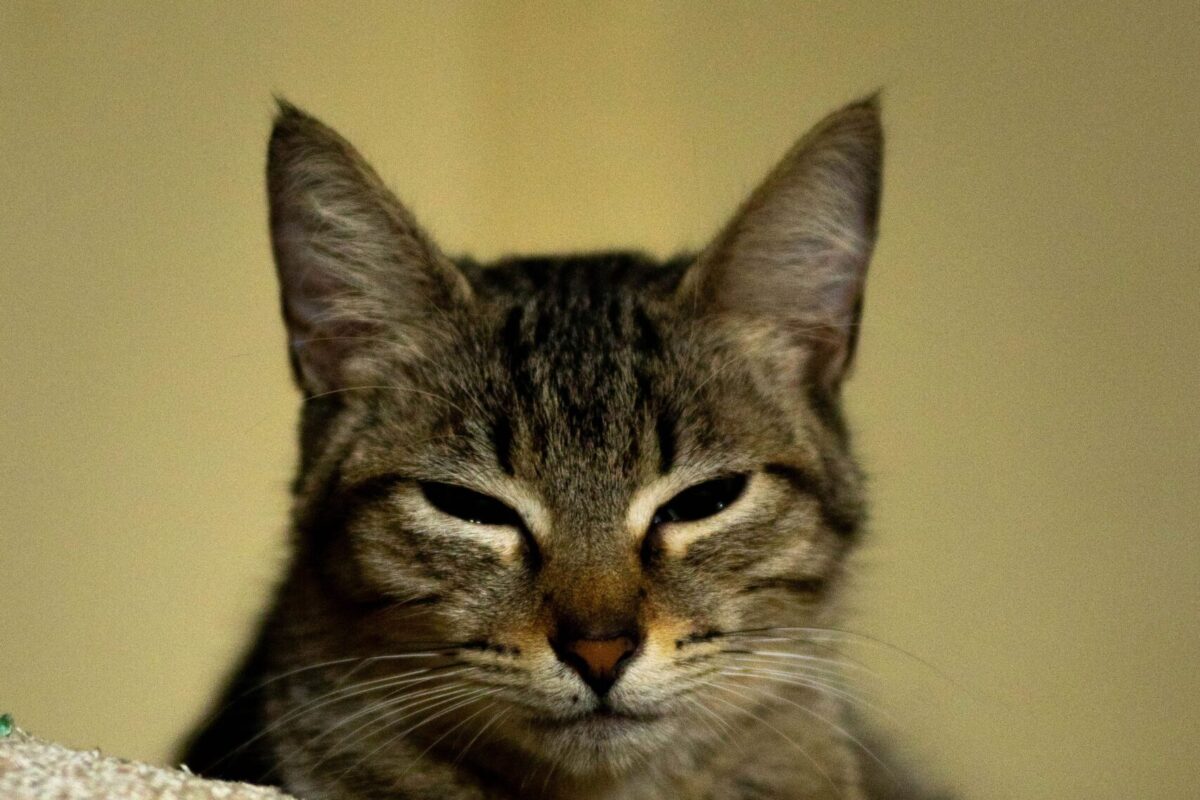
Many senior cats have been to the vet many times, and some have learned to dread it. A few small things help.
Keep the carrier familiar. If the carrier only appears on vet days, it becomes a signal that something unpleasant is about to happen. Leaving it out with a soft blanket inside, and occasionally putting treats in it, changes the association.
Book a quiet time. Early morning appointments are often calmer at the clinic. Ask the receptionist when the waiting room tends to be quietest.
Cover the carrier. A towel over the carrier in the waiting room blocks the sight of dogs and other cats, which is usually the most stressful part for a cat.
Keep the visit short and calm. Tell the clinic staff your cat is older and may need a gentler pace. Most clinics are happy to work slowly, give her breaks, and handle her as little as possible.
Ask about home visits. Some vets offer home visits for cats who find travel very stressful. It’s worth asking, especially if your cat’s health makes the trip hard on her.
Questions worth asking your vet

You don’t have to ask all of these — pick the ones that fit your cat. But having a few in mind means you leave the visit with answers instead of things you meant to ask.
- Is her weight where it should be, and should her food change?
- Are her teeth in good shape, and does she need a dental check?
- Do her bloodwork numbers look normal for her age, and what will you compare next time?
- Is there anything about her joints or mobility I should watch?
- How often do you want to see her from now on?
- Are there any changes at home — litter box setup, food bowls, perches — that would make life easier for her?
The cost question

Senior visits can cost more than a young cat’s checkup, mostly because of the bloodwork and any extra tests. That’s worth knowing in advance so it isn’t a surprise. Ask the clinic for an estimate before the visit if you’d like one — most clinics are happy to give a rough figure.
If cost is a concern, say so. Vets can often prioritise: the most important tests first, and the rest spread out over a couple of visits. The goal is a plan you can actually follow, not a perfect plan you can’t afford.
What a good senior care plan looks like
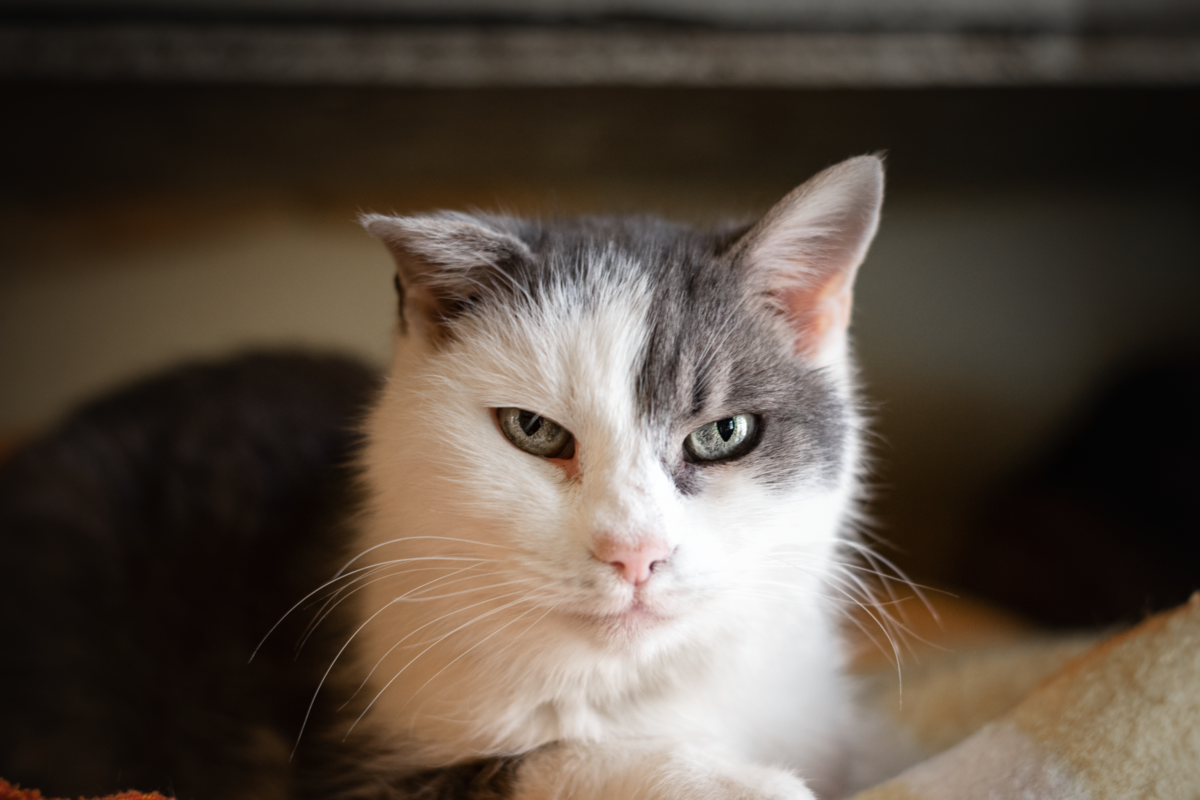
By the time you’ve had a couple of senior checkups, you and your vet will have something that looks like a plan: visits every six months, bloodwork once a year or so, a weight trend you both watch, and a short list of things to look out for at home. That’s really all it is — a routine, built around your cat, that catches problems while they’re still small.
The cats who do best in old age aren’t usually the ones with the most dramatic interventions. They’re the ones whose owners noticed the small changes early, brought them in regularly, and worked with their vet on the little adjustments — a different food here, a lower perch there, a pain plan that keeps them moving comfortably.
Your cat has spent years learning your routines. The senior years are a good time to return the favour: keep the visits regular, keep watching, and keep her comfortable. She’ll let you know the rest.
Frequently Asked Questions
How often should a senior cat go to the vet?
Most vets suggest twice a year for a healthy senior cat — roughly every six months. If your cat has a known health condition, your vet may want to see her more often. The six-month rhythm helps catch gradual changes, like weight loss or early kidney changes, while they’re still small.
At what age is a cat considered a senior?
Most vets use around 10 or 11 years old as the starting point, though it varies by breed and by the individual cat. Some clinics call cats aged 7 to 10 “mature adults” and use “senior” from 11 onward. The exact label matters less than the trend — if your cat is slowing down, sleeping more, or moving more carefully, senior-style care is worth starting.
What blood tests do senior cats usually have?
A senior blood panel usually checks kidney and liver function, thyroid levels, blood sugar, and red and white blood cell counts. A urine sample is often checked alongside. The first panel sets a baseline your vet can compare against at later visits, so changes over time are easier to spot.
My senior cat hates the vet. Can I skip visits if she seems fine?
It’s tempting, but cats are very good at hiding discomfort, and “seems fine” can hide a lot. If the trip itself is the problem, talk to your vet about making visits easier — quieter appointment times, a carrier cover, or calming medicine given at home before the visit. Some vets also offer home visits for cats who find travel very stressful.
Is weight loss normal in old cats?
Some gradual weight change can happen with age, but steady, unexplained weight loss is always worth investigating, even if your cat seems fine otherwise. It can have many causes, and your vet will want to work through them. Weighing your cat at home every month or two makes a slow trend much easier to spot.
What should I do if my senior cat stops eating?
A cat who stops eating, or eats much less than usual for more than a day, should be seen by a vet promptly — especially an older cat. Don’t wait to see if it passes. Call your vet, describe what you’ve noticed, and follow their advice on how quickly to bring her in.