

Rabbits are good at hiding how they feel. In the wild, a rabbit that looks weak gets noticed by predators, so rabbits have learned to carry on eating, hopping, and acting normal even when something is wrong. By the time a rabbit obviously looks unwell, it has usually been unwell for a while. That is the single most important thing to understand about rabbit vet care.
It is also why a first vet visit should happen while your rabbit is healthy, not after something goes wrong. A healthy first visit gives you a vet who knows your rabbit, a baseline for what normal looks like, and a plan for what to do when you actually need help.
Find the vet before you need one
Not every vet treats rabbits. Rabbits are classed as exotic pets, and they need a vet with specific training and experience in rabbit care. Finding one takes a little work, and that work is much easier when nothing is urgent.
Ask local rabbit keepers, rescues, and breeders who they use. Rabbit welfare groups keep lists of rabbit-savvy practices. When you call a practice, ask directly whether they see rabbits regularly, and how many rabbits they treat in a typical week. A practice that sees rabbits every day will have the right equipment, the right handling experience, and the right sense of what is normal for a rabbit.
If the nearest rabbit vet is a drive away, do not let the distance hold you back. Many rabbit owners travel for vet care. Knowing the route, the parking, and the practice’s emergency hours before you need them is part of the preparation.
Before the visit: write it down
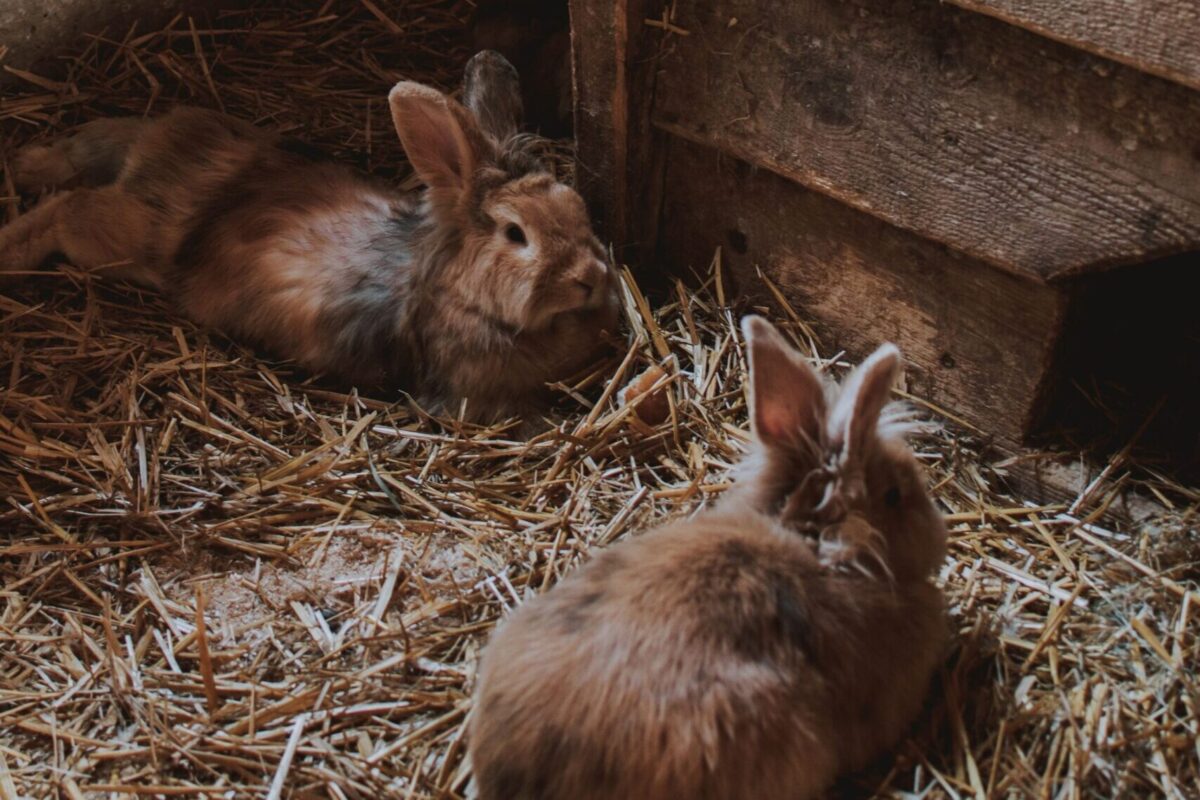
A few days before the visit, start a short note about your rabbit. How much hay is it eating, and is it eating with its usual enthusiasm? What do its droppings look like — size, shape, and how many? How much does it move around, and is it as active as usual? Has anything changed recently: a new home, a new food, a quieter rabbit, a rabbit that is eating the same but playing less?
Bring the note. Vets ask better questions when owners bring specifics, and you will remember things in the waiting room that you would forget under pressure at home. If you can, bring a photo of the enclosure setup and a note of anything extra you feed besides hay and pellets. The vet is building a picture of your rabbit’s whole life, not just the ten minutes on the table.
Prepare the carrier too. A sturdy carrier with a non-slip base, a familiar blanket, and a small handful of hay gives the rabbit something known in a strange place. Covering the carrier with a light cloth helps keep the rabbit calm during the trip. Keep the car at a comfortable temperature and do not leave the carrier in a cold or hot car while you run errands.
What a first visit usually involves
A first visit is mostly conversation and observation. The vet will ask about diet, housing, and behaviour, and will watch how the rabbit moves, breathes, and holds itself. Expect a weigh-in — weight is one of the most useful numbers in rabbit care, because gradual weight loss is easy to miss at home — and a hands-on check of eyes, ears, teeth, feet, and coat.
Teeth get special attention with rabbits, because rabbit teeth grow continuously through life. The vet will check that the front teeth line up properly and wear down evenly, since hay-chewing normally keeps them in shape. The vet will also check the rabbit’s back feet for sore patches and feel its belly gently. What else is checked, and whether any routine tests are suggested, depends on the rabbit’s age and history — that is a conversation to have with the vet, not something to decide in advance from the internet.
Ask questions freely: what should I watch for at home, what does a healthy weight range look like for my rabbit, when should I come back? A good first visit ends with you knowing your rabbit better, not with a list of worries.
After the visit, and how often to go back

When you get home, let the rabbit settle back into its enclosure with hay and water, and give it a quiet evening. Some rabbits are subdued after a vet trip. That is usually just tiredness and a strange day, and most rabbits are back to normal by the next morning. If the rabbit stays hunched, still, or off its food for more than a few hours after a routine visit, call the practice and say so.
As for frequency, many rabbit vets suggest a yearly checkup for a healthy adult rabbit, with younger, older, or more fragile rabbits seen more often. The right schedule for your rabbit is something to agree with your vet at that first visit, based on age and health. What matters most is that there is a schedule, and a vet who already knows your rabbit when something changes.
Ask about the routine care decisions that come up in the first year, too — including desexing, and when your vet usually raises it. These are conversations to have at the first visit, while there is time to think, not decisions to rush later.
And the thing to watch at home, between visits, is change against your rabbit’s own normal: eating less hay, smaller droppings, quieter than usual, sitting hunched, or a coat that looks rough. Rabbits hide illness, but they cannot hide change completely — and an owner who knows their rabbit’s normal is the best early warning system there is.
This post is general information only and is not a substitute for professional veterinary advice. If your rabbit seems unwell, contact a rabbit-savvy vet promptly.
Frequently Asked Questions
How do I find a vet for my rabbit?
Ask local rabbit keepers and rescues, and check rabbit welfare group lists. When you call a practice, ask whether they see rabbits regularly and how many rabbits they treat each week.
What should I bring to my rabbit’s first vet visit?
Notes on hay intake, droppings, activity, and any recent changes; a photo of the enclosure setup; and a sturdy carrier with a non-slip base, a familiar blanket, and some hay.
Will the vet visit stress my rabbit?
A vet trip is a strange day, and most rabbits are quieter afterwards for a few hours. A calm carrier, a comfortable car temperature, and a quiet evening at home help. A rabbit that stays hunched or off its food for more than a few hours after a routine visit should be mentioned to the practice.
How often should a healthy rabbit see the vet?
Many rabbit vets suggest a yearly checkup for a healthy adult rabbit, with younger or older rabbits seen more often. Agree the right schedule for your rabbit with your vet at the first visit.
Why do rabbits need a vet visit while they look healthy?
Because rabbits hide illness well — by the time a rabbit obviously looks unwell, it has usually been unwell for a while. A healthy first visit gives the vet a baseline weight and a picture of what normal looks like for your rabbit.
Related reading
- How to Groom a Rabbit: Brushing, Nails, and the Bathing Rule Every Owner Should Know
- Why Do Rabbits Honk, Buzz and Grunt? Rabbit Sounds, Explained
- What to Expect at Your Bird’s First Vet Visit: Finding an Avian Vet and Preparing Well
- How to Socialize a Kitten: People, Sounds, and the First Few Months That Shape a Cat
Sources
- House Rabbit Society — rabbit veterinary care guidance
- Rabbit Welfare Association and Fund — rabbit health advice
- VCA Animal Hospitals — rabbit veterinary care articles