
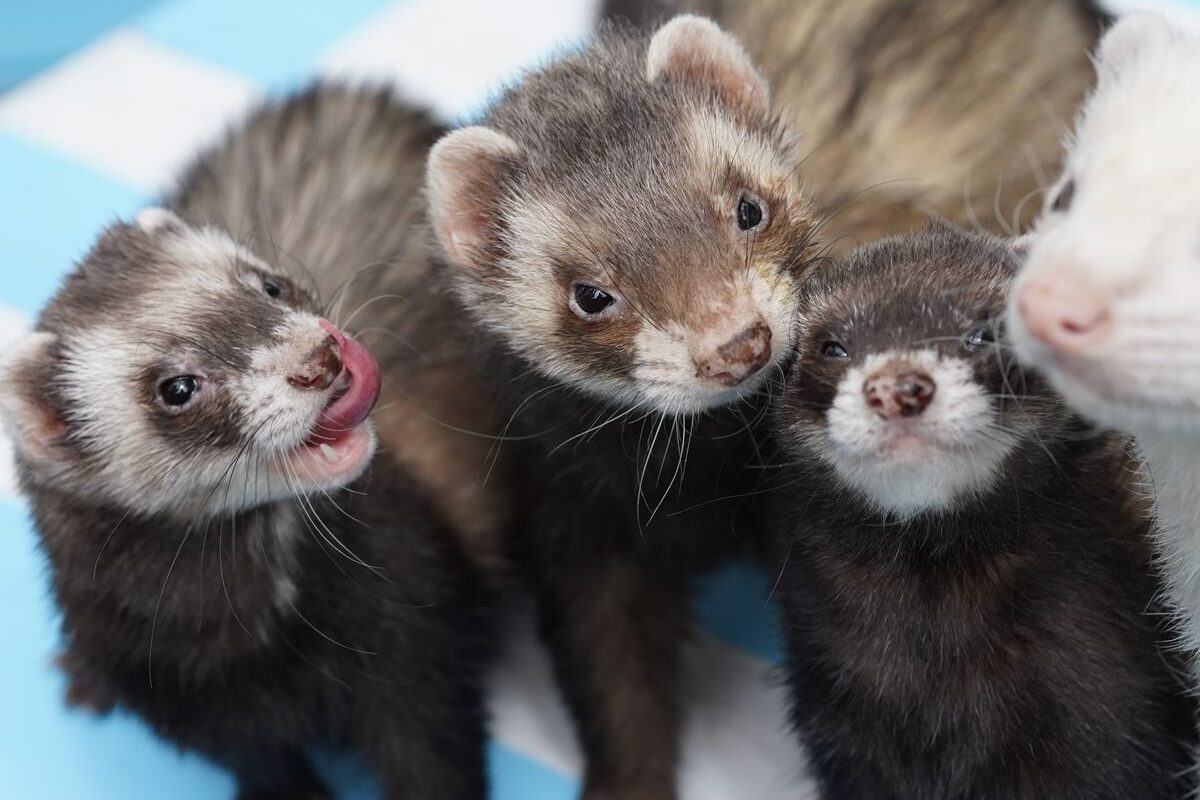
If you have never seen it, the weasel war dance looks like a small animal losing its mind: the ferret arches its back, puffs its tail up like a bottle brush, hops sideways, twists in mid-air, bounces off furniture, and makes a rapid chuckling sound.
If you have never seen it, the weasel war dance looks like a small animal losing its mind. The ferret arches its back, puffs its tail up like a bottle brush, hops sideways, twists in mid-air, bounces off furniture, and makes a rapid chuckling sound — the “dook” that ferret owners know well. It lasts a few seconds or a few minutes, and then the ferret carries on as if nothing happened, or flops down for a nap. It is one of the funniest sights in pet keeping, and it is also one of the most misunderstood, because it looks like aggression and it is almost always the opposite.
The war dance is excitement made visible. It is a ferret that is so pleased, so full of energy, or so thrilled by a game that its body cannot contain it in a straight line. Understanding it matters because the right response is to enjoy it and join in safely — and the wrong response, scolding a dancing ferret, punishes the happiest thing your ferret does.
What the dance actually looks like
A dancing ferret does several things at once, and the combination is what identifies it. The back arches high. The tail fluffs out. The ferret hops sideways or backwards, sometimes bouncing off walls or furniture, sometimes spinning. The mouth is usually open in what looks like a grin, and the ferret dooks — a fast, chuckling chatter that is the sound of a happy ferret. The whole body is loose and bouncy, not stiff. A ferret in mid-dance may bump into things, trip over its own feet and carry on regardless. It is clumsy, fast and joyful, and it is unmistakable once you have seen it a few times.
Why ferrets dance
Mostly, ferrets dance because they are happy and full of energy. Ferrets sleep for most of the day and wake up with a lot of energy to spend, and the dance is how some of that energy comes out — especially after a nap, at the start of playtime, or when a favourite game begins. New things trigger it too: a new toy, a new tunnel, a pile of blankets to dive into, a human getting down on the floor to play. The dance is also an invitation. A ferret that dances at you, then runs a few steps and looks back, is asking you to chase it. It is a social signal, not a solo performance.
There is also a hunting echo in it. Ferrets belong to the weasel family, and wild weasels do a similar dance to confuse prey — bouncing and twisting so a rabbit cannot predict where they will go next. The pet version has lost the hunting purpose but kept the moves. Your ferret is not hunting your sofa. He is just running the same joyful program his ancestors ran, and the sofa is in the way.
War dance versus real aggression
This is the distinction that matters, because the two can look similar to a new owner. A dancing ferret is loose, bouncy, dooking, and the bites — if there are any — are soft, inhibited mouthing. The ferret’s body stays low and springy, and it keeps coming back for more play. An aggressive or frightened ferret is stiff, not bouncy: body tense, fur flat or bristled in a different way, hissing or screaming rather than dooking, and bites that are hard, sustained and meant to drive you away. A ferret that screams, bites hard and does not let go is not dancing, and it needs space, not play.
Age matters too. Young ferrets dance more than older ones, and they also play-bite more while they learn bite inhibition. A kit that dances and mouths your hand is learning; an adult that suddenly turns aggressive is telling you something has changed, and that is worth paying attention to.
When ferrets dance most
Most owners see the dance at predictable moments: right after waking, when let out of the cage, when a human comes home, when a new toy appears, and during wrestling games with another ferret. Ferrets often dance together, chasing each other around the room in a bouncing, dooking pile, which is normal social play. If your ferret never dances, that is not necessarily a problem either — some ferrets are calmer, older ferrets dance less, and a ferret that plays in other ways is still a happy ferret. The dance is one expression of joy, not the only one.
Joining in safely
The best response to a war dance is to play along. Get down on the floor, wiggle a toy, let the ferret chase your hand under a blanket — not your bare hand, because an excited ferret can bite harder than it means to, and a hand that becomes a toy teaches biting. Tunnels, boxes, crinkle toys and blankets to dive under all make good dance floors. Keep the play area safe: block gaps behind furniture where a bouncing ferret could get stuck, and move anything breakable off low surfaces, because a dancing ferret has no regard for your belongings.
Do not scold a dancing ferret, and do not grab it mid-dance to calm it down — both just confuse a happy animal. If the dance tips into overexcitement, with biting getting harder, calmly end the game for a few minutes and let the ferret settle. Short, frequent play sessions beat one long, frantic one.
When the dance should worry you
The dance itself is not a symptom. But a change in dancing is worth noticing, the same way a change in any behaviour is. A ferret that used to dance daily and suddenly stops, especially alongside appetite loss, tiredness, weight loss or hiding, may be unwell or in pain, and deserves a vet visit. A ferret that dances and then collapses, or shows stiffness, limping or weakness after play, needs checking promptly. This guide does not diagnose — it only says that joy is normal, and a sudden loss of joy is information.
FAQs
What is the weasel war dance?
A burst of bouncing, sideways hops, arched back, puffed tail and chuckling “dook” sounds. It is a ferret expressing excitement and happiness, usually during play or after waking.
Is the war dance aggressive?
Almost never. A dancing ferret is loose, bouncy and dooking, with soft mouthing at most. A truly aggressive ferret is stiff, hisses or screams, and bites hard and does not let go — that is a different thing entirely.
Why does my ferret dance after waking up?
Ferrets sleep most of the day and wake with a lot of energy. The dance burns off that first burst of energy, especially when playtime or a favourite game starts right after.
Should I stop my ferret from war dancing?
No. It is one of the happiest things a ferret does. Play along safely with toys and blankets, keep bare hands out of the game, and end the session calmly if biting gets too hard.
My ferret used to dance and now does not. Should I worry?
Not on its own — older and calmer ferrets dance less. But if the change comes with appetite loss, tiredness, weight loss or hiding, a vet visit is sensible.
What does “dooking” mean during the war dance?
Dooking is the happy chuckling sound ferrets make while playing and dancing — a rapid, soft clucking that means excitement and contentment. It is the sound of a ferret having fun, and it usually accompanies the war dance, play with toys, or greeting a favourite person. A dooking ferret is a happy ferret; hissing or screaming is the opposite.
Should I join in when my ferret war dances?
Yes, gently: play with a toy, offer a tunnel or a paper bag to bounce through, and let the ferret lead. War dancing is an invitation to play, and a ferret who dances at you wants interaction. Avoid rough handling during a dance — the ferret is excited, not aggressive, but excited ferrets nip harder than calm ones, so play with toys, not fingers.
Why do ferrets dance more at certain times of day?
Ferrets are most active around dawn and dusk, and after sleep, so war dances cluster at those times — especially after a nap, when a burst of energy needs an outlet. A ferret who dances after waking, at playtime, or when let out of the cage is following a normal daily rhythm.
Internal links (existing live Furrology posts)
- https://furrology.net/do-ferrets-smell/
- https://furrology.net/what-do-ferrets-eat/
- https://furrology.net/ferret-sleeping-habits/
- https://furrology.net/ferret-proofing-your-home/
Sources
- PetMD, ferret behaviour and play
- VCA Animal Hospitals, ferret behaviour and health
- RSPCA, ferret care and enrichment
- Ferret Association guidance, war dance and play behaviour