
Research-based guide only — no product was personally tested, and this guide contains no prices or affiliate links. A GPS tracker helps you find a dog; it does not replace a lead, a fenced garden, or training.
Every lost-dog story starts the same way. A gate left ajar, a lead that slips out of a wet hand, a firework that goes off halfway through a walk. One second the dog is there, the next it is a shape getting smaller down the lane. That is the moment a GPS tracker earns its keep — not on a normal Tuesday, but in the ten minutes when you have no idea which direction to run in.
A tracker does not stop a dog from running off. It tells you where the dog went, on a map on your phone, so you stop guessing and start walking the right way. That single difference is why people buy them. Everything else — the extra features, the activity charts, the glowing app — is secondary.
How a dog GPS tracker actually works
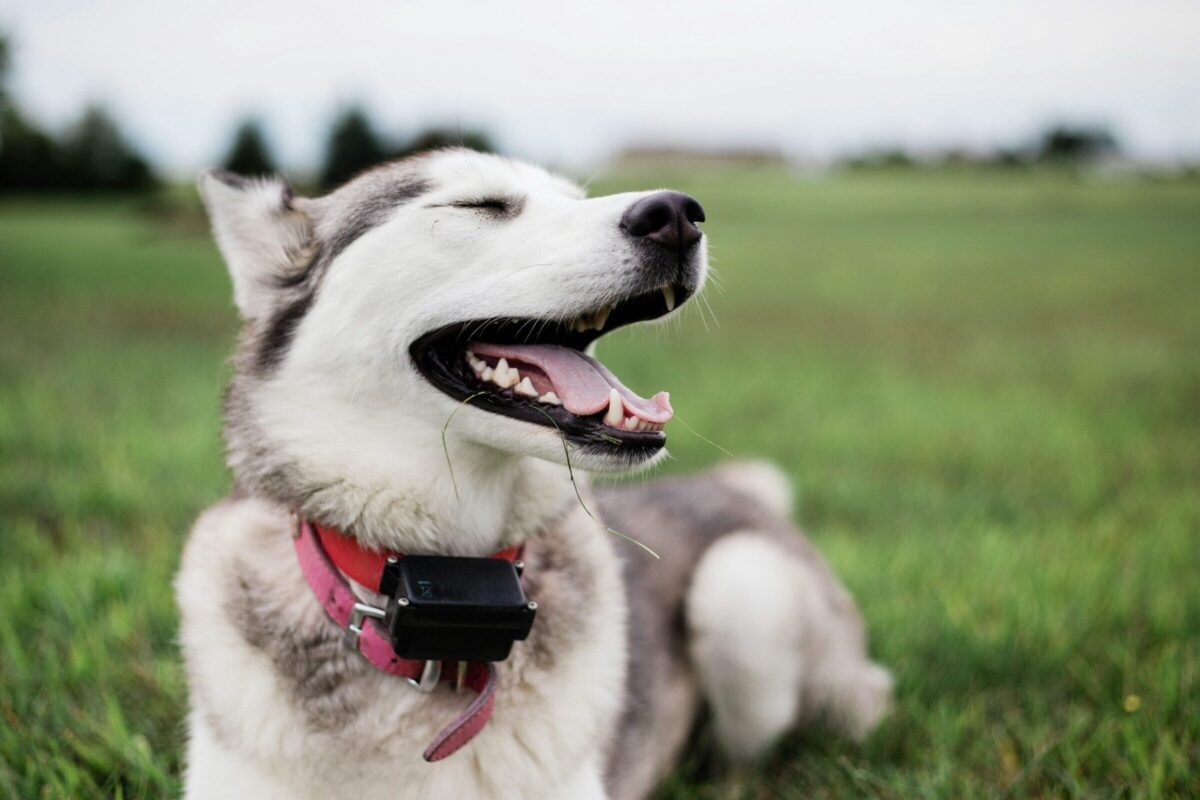
Most trackers are a small device that clips to a collar or harness. Inside is a GPS receiver, like the one in your phone, plus a mobile connection that sends the location to an app. You open the app and see a dot on a map. Some update every few seconds, some every minute or two. Faster updates drain the battery faster, which is a trade-off you will feel on a long walk, not in the shop.
There are two kinds worth knowing about. Cellular trackers use the mobile network, so they work over long distances — across town, across fields — as long as there is signal. They usually need a monthly plan for that connection. Bluetooth trackers are cheaper and need no plan, but they only work when your phone is near the dog, which is not much use when the dog is already three fields away. If your dog ever gets properly lost, you want the cellular kind.
One honest limit: GPS needs a view of the sky. In a thick wood, a deep valley, or a multi-storey car park, the dot can lag or jump around. A tracker narrows the search from “somewhere in the village” to “this field, probably that hedge.” It is not a magic leash.
What matters most: size, battery, and signal
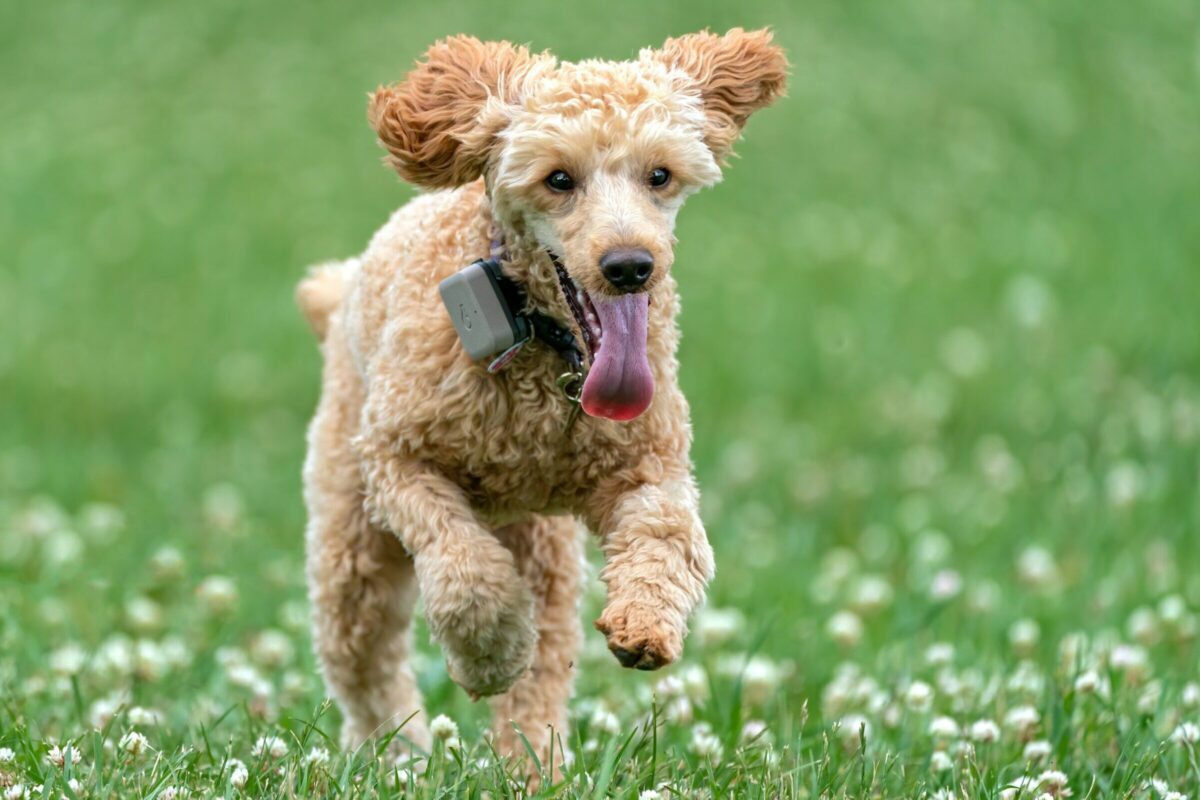
Start with size and weight. A tracker made for a large retriever can be a burden on a small terrier or a toy breed. Check the weight of the device against your dog’s size, and look at how it attaches — a clip that rattles loose on a muddy walk is worse than no tracker at all. Some dogs chew at anything new on their collar, so a low-profile unit that sits flat tends to survive longer than a bulky box.
Battery life is the number nobody reads properly. The headline figure is usually for the slowest update setting, not the live-tracking mode you will actually use when your dog bolts. Look for how long it lasts in live mode, and be honest about your own habits: a tracker that needs charging every two days will be flat on the one day you need it if charging is a chore you keep putting off. A charging dock by the lead hook helps more than any feature list.
Signal matters more than brand. A tracker is only as good as the mobile coverage where you walk. If your usual route crosses dead zones — remote hills, deep valleys — ask how the tracker behaves when it loses signal. The better ones store the last known position and pick up again quickly. The weaker ones just go quiet, which is exactly when you do not want silence.
The features that are actually useful
Live tracking is the core feature, and it should be simple: open the app, see the dot, follow it. Anything that takes more than a few taps in a panic is a bad design.
A virtual fence — usually called a safe zone — is the second feature worth having. You draw a boundary around your garden or your usual walking field, and the app alerts you when the dog leaves it. For dogs that slip out of gardens, that alert can save twenty minutes of not noticing.
Beyond those two, be selective. Activity tracking (steps, sleep, distance) is nice for curious owners but tells you nothing in an emergency. Escape alerts, low-battery warnings, and a light or sound on the device that helps you spot the dog in long grass are genuinely useful. A tracker that tries to be a fitness coach, a health monitor, and a social network is usually worse at the one job that matters.
The costs nobody puts on the box
The device is only part of the cost. Cellular trackers almost always need a monthly plan, and that plan is what keeps the tracker connected. Before buying, check whether the plan is required, what happens if you cancel it, and whether the tracker works at all without it. Some become dead weight without a plan. That is not a dealbreaker — it is just a cost to know about before the box arrives, not after.
Also check what the app needs from you. Some apps want an account, location permission set to always-on, and regular updates. That is normal for this kind of device, but it is worth knowing, especially if you share the dog’s care with family: most apps let more than one phone follow the same dog, which matters when the dog is out with someone else.
Which kind of dog benefits most
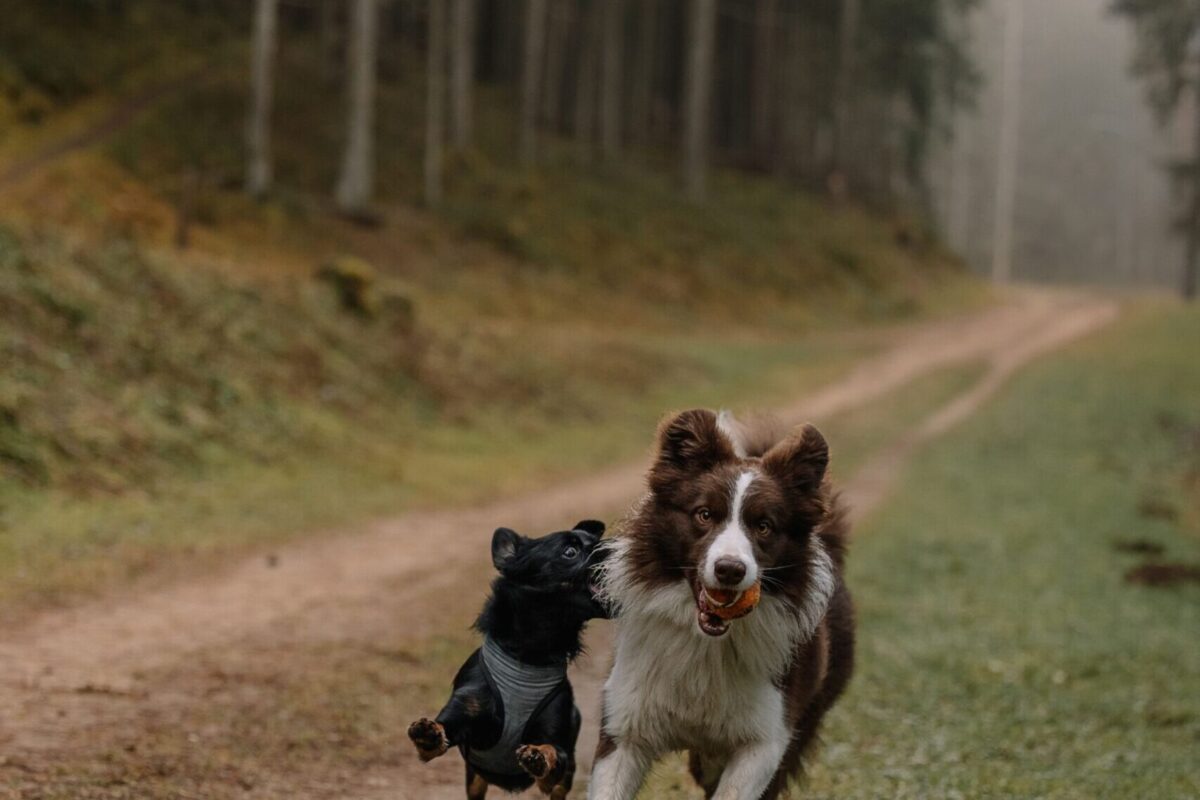
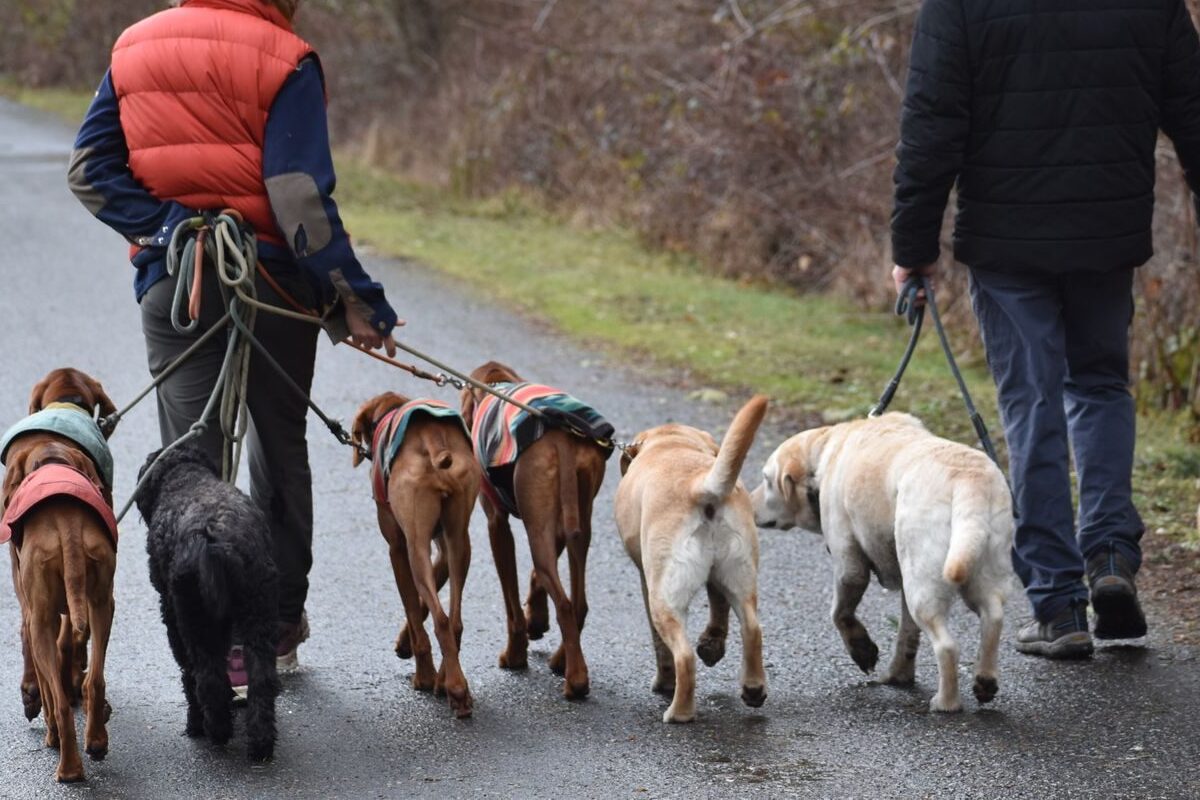
Not every dog needs a tracker. A calm older dog that never leaves your side gains little from one. The dogs that benefit most are the ones with a reason to run: young, high-energy dogs still learning recall, scent hounds that follow a smell through a hedge and forget you exist, rescue dogs still settling in, and any dog that lives near roads or open countryside where a ten-minute head start becomes a real danger.
If your dog has bolted before, a tracker is cheap peace of mind. If your dog has never left your side in five years, spend the money on a better lead and a recall course instead. The tracker is a safety net, not a substitute for training — a dog that comes back when called does not need finding.
Before you buy: a short checklist
Measure your dog’s collar or harness and check the tracker’s weight and clip against it. Walk your usual route and notice where your own phone loses signal — the tracker will struggle in the same places. Decide how often you will realistically charge it, and pick a battery life that survives your forgetfulness. Confirm the monthly plan situation and that at least two family phones can follow the dog. And keep the tracker’s app on your home screen, not buried in a folder, because the day you need it is not the day to go hunting for an app.
A GPS tracker will not make your dog safer on its own. What it does is shrink the worst part of losing a dog — the not knowing — from hours to minutes. For the right dog, in the right place, that is worth a lot.
Frequently Asked Questions
Do GPS trackers work without mobile signal?
No, not for live tracking. The GPS receiver finds the position, but the tracker needs a mobile connection to send that position to your phone. In a dead zone it can usually remember its last known spot and update once signal returns, but you will not see live movement until then.
Will a tracker fit a small dog?
For small dogs, the model matters more than the brand. Trackers vary a lot in size and weight, and a unit made for a large breed can be too heavy for a small dog. Check the device weight and how it clips on, and choose a low-profile model for small or toy breeds.
Does a GPS tracker replace a microchip?
No. A microchip is permanent identification that a vet or shelter reads when a found dog is brought in. A tracker helps you find the dog yourself in the moment. They do different jobs, and a dog should have both.
How often do I need to charge a tracker?
Check the live-mode figure, not the headline one. Slow-update mode can last weeks on some models, while live tracking drains the battery in a day or two. Build charging into your routine so the tracker is full on the day you actually need it.
Can more than one person track the same dog?
On most tracker apps, yes. Family members can usually follow the same dog from their own phones, which matters when someone else is walking the dog or when you are searching together.
Related reading
- How Much Exercise Does a Dog Need?
- Leash Training a Dog That Pulls: A Calm, Step-by-Step Plan
- Why Do Dogs Bark at Strangers?
- Dog Body Language: How to Read What Your Dog Is Feeling
Sources
- American Kennel Club — GPS trackers for dogs
- RSPCA — Keeping dogs safe and identifiable
- The Kennel Club — Microchipping and dog identification