

You walk into the room and your cat is kneading a fleece blanket, eyes half closed, rhythmically sucking at the fabric like a kitten at its mother. It looks ridiculous. It also looks deeply content. Then you wonder whether something is wrong with your cat.
Usually, nothing is. Blanket sucking — sometimes called wool sucking, because wool blankets were the classic target — is one of the most common odd behaviours cats have. It is worth understanding, and worth watching, but it is rarely an emergency.
What it actually looks like
A sucking cat kneads with its front paws, often purring, and mouths or sucks a blanket, a jumper, a cushion, or sometimes its own tail or a toy. Sessions can last a few seconds or half an hour. Some cats do it only at bedtime, some do it when they settle on your lap, and some have one specific blanket they return to like a security object.
It is different from chewing. A sucking cat is not tearing fabric apart or eating it. The mouth moves the way a nursing kitten’s does, and the whole body relaxes. If your cat is shredding fabric and swallowing pieces, that is a different behaviour with different risks, and it deserves a vet conversation sooner.
Kittens do it because they are kittens

Nursing is a kitten’s first comfort. The warmth, the smell of the mother, the rhythm of suckling — all of it says safe. Kittens that were separated from their mother early, or that were orphaned and bottle-fed, sometimes keep the behaviour longer, because the comfort association never had a chance to fade naturally.
But plenty of kittens raised normally do it too, especially during the first months. It is a self-soothing habit, like a child with a thumb. Most kittens do it less as they grow, get confident, and find other ways to settle — play, exploring, sleeping in a sunny spot.
If your kitten sucks a blanket and is otherwise eating, playing, and growing normally, there is usually nothing to fix. Let it have its blanket. Wash the blanket now and then, and make sure it is not a fabric that sheds long threads the kitten could swallow.
Why some adults never stop
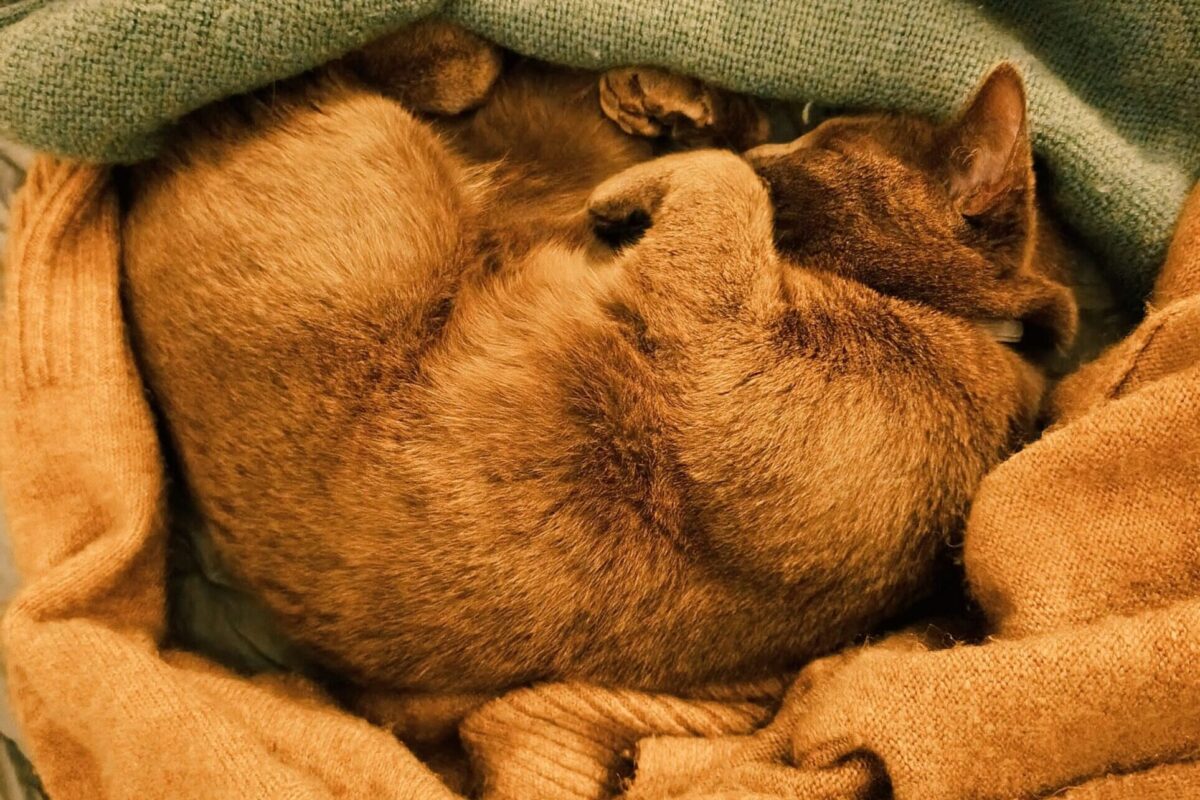
Adult cats that suck blankets are usually doing the same thing kittens do: settling themselves. Stress is a common trigger. A move, a new baby, a new pet, building work, or even a rearranged room can push a cat back to a kitten comfort. So can boredom — a cat with little to do all day may suck a blanket the way a bored person bites their nails.
Some cats seem simply wired for it. It is reported more often in certain breeds, particularly Siamese and related Oriental types, which suggests some cats are just more prone to oral comfort behaviours than others. That does not mean it is a breed fault. It means those cats may need a little more enrichment and a little more patience.
Watch for patterns. A cat that only sucks its blanket at bedtime is probably just winding down. A cat that suddenly starts sucking all day, after never doing it before, is telling you something changed — and the change might be stress, pain, or a new routine that is not working.
When it stops being harmless
Most blanket sucking is harmless. The line is crossed when the cat starts eating fabric, not just sucking it. Swallowed wool, string, or fabric can block a gut, and that is a genuine emergency — vomiting, loss of appetite, straining, or a swollen belly all mean a vet visit right away.
Other warning signs are subtler: bald patches where the cat sucks its own fur, sores on the skin, weight loss, or a cat that cannot settle any other way and seems anxious all day. A behaviour that takes over a cat’s whole day is no longer a comfort habit. It is a problem to work through with your vet, who can check for medical causes first and then talk about stress, routine, and enrichment.
Do not punish a sucking cat. Scolding a behaviour that exists to calm the cat down just adds the thing the cat was trying to escape. If you need to interrupt it, redirect: a play session, a treat puzzle, or a different blanket that is safe to suck.
What actually helps
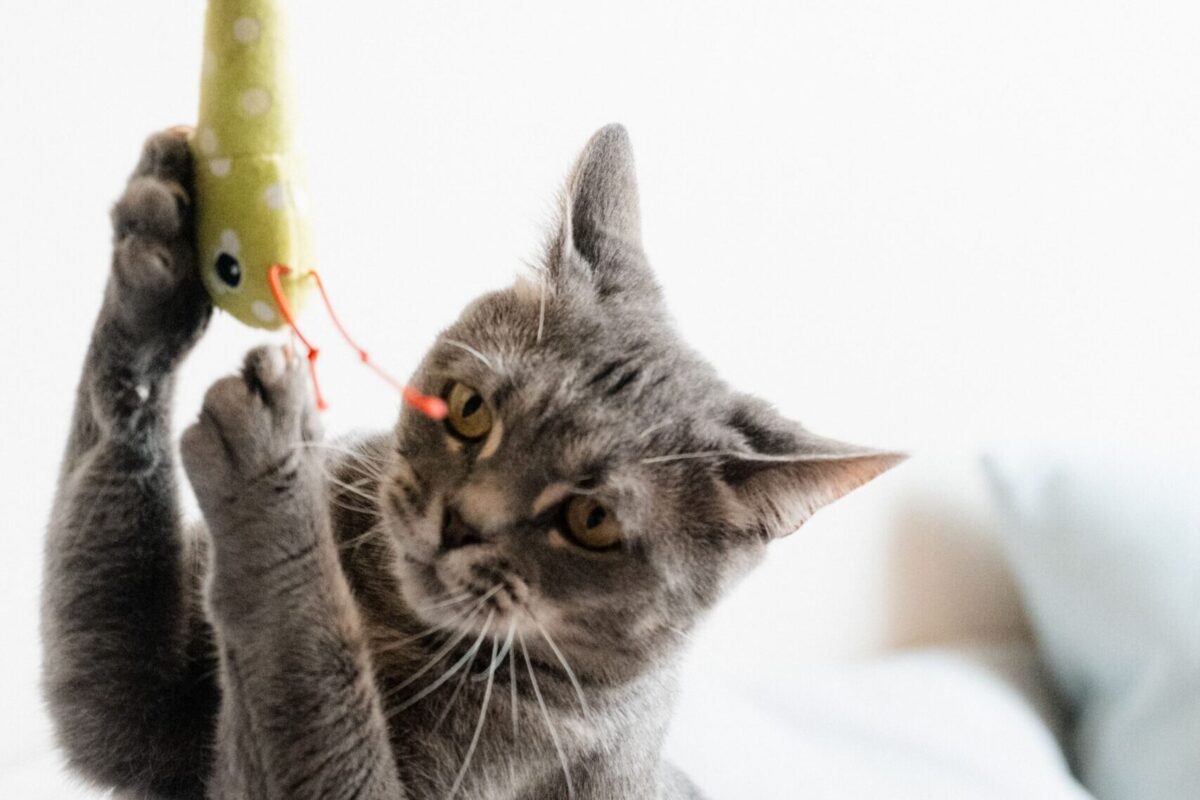
Start with the easy things. Give the cat a designated sucking blanket — soft, washable, without loose threads or tassels — so it is not working on your good bedding or a dangerous fabric. Keep the routine steady: same feeding times, same play sessions, same quiet evening wind-down.
Add things to do. A bored cat sucks more. Interactive play twice a day, a window perch, a puzzle feeder, and a couple of rotating toys give the cat other ways to feel good. For a stressed cat, add safe spaces: a high perch, a covered bed, and a room the cat can retreat to when visitors arrive.
If the behaviour is new, sudden, or escalating, talk to your vet before trying anything else. A quick check rules out mouth pain, gut trouble, and other medical causes, and your vet can help you work out whether the trigger is stress, boredom, or something else entirely.
Frequently Asked Questions
Is blanket sucking normal in cats?
Yes, it is common, especially in kittens and young cats. It is a comfort behaviour left over from nursing, and most cats that do it are relaxed, healthy, and otherwise completely normal.
Will my kitten grow out of it?
Many do, as they get older and more confident. Some adults keep doing it at bedtime for years without any problem. Growing out of it is not a deadline — it is a gradual fade.
Should I stop my cat from sucking blankets?
Usually no, unless the cat is eating fabric or injuring itself. Give it a safe blanket, keep the habit in bounds, and focus on routine and play rather than scolding.
Is it dangerous?
Sucking alone is not. Eating fabric is — swallowed material can block the gut. If your cat tears and swallows pieces, or shows vomiting or appetite loss, see your vet promptly.
Does it mean my cat was weaned too early?
Not necessarily. Early separation makes it more likely, but many normally raised kittens suck blankets too. It is one factor among several, including stress, boredom, and individual temperament.
Related reading
- Why Do Cats Knead? The Science Behind Biscuit-Making
- Weird Cat Behaviors Explained: 12 Strange Things Cats Do and What They Mean
- Why Do Cats Purr? It’s Not Always Happiness
- How to Make Your Cat Love You More: 10 Science-Backed Ways to Bond
Sources
- RSPCA — cat behaviour advice
- VCA Animal Hospitals — compulsive behaviour in cats
- The Humane Society of the United States — cat behaviour resources